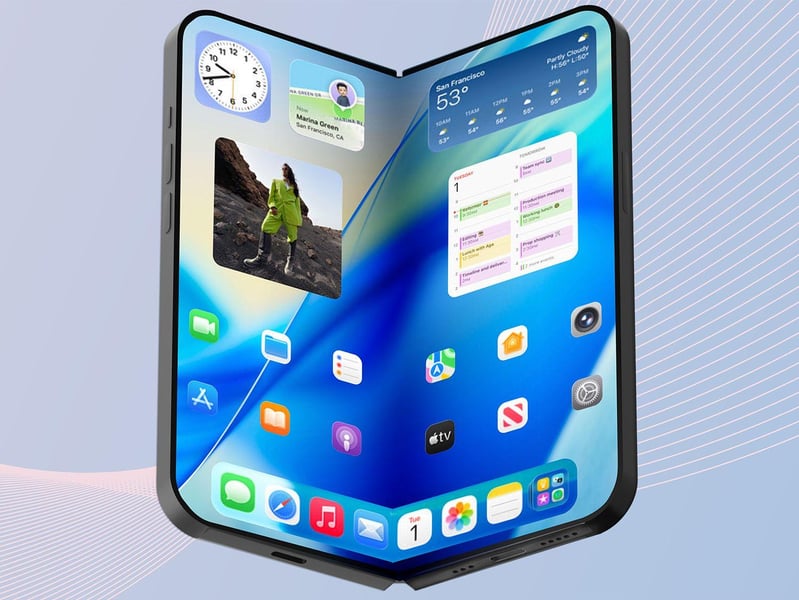

Apple’s first foldable iPhone is reportedly overcoming manufacturing challenges, with suppliers preparing for a major production push ahead of its highly anticipated debut.
Apple’s long-awaited entry into the foldable smartphone market appears to be moving closer to reality, as new supply chain reports suggest the rumored iPhone Ultra foldable device remains on track despite earlier concerns surrounding production delays.
The upcoming device, expected to become Apple’s most ambitious iPhone redesign in years, has faced intense speculation over whether engineering problems, particularly around the hinge system, could force the company to postpone its launch timeline. However, recent reports indicate that Apple and its suppliers have made progress in addressing those issues, allowing production plans to continue.
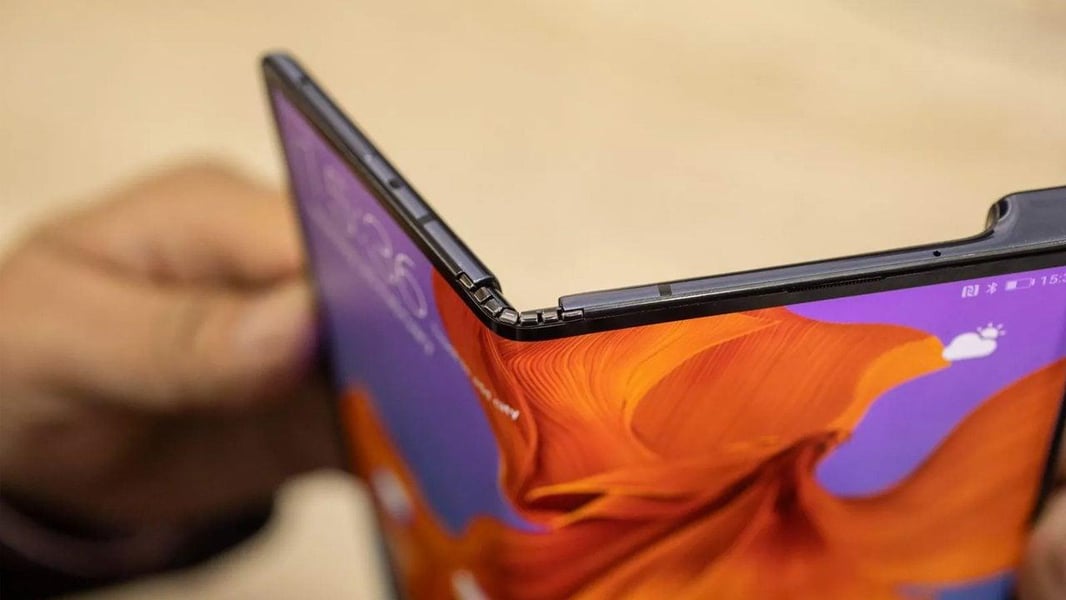
Apple has not officially confirmed the existence of a foldable iPhone, but multiple reports have pointed toward a premium “iPhone Ultra” model that could compete directly with high-end foldable smartphones from companies such as Samsung and Huawei.
Apple Reportedly Increases Foldable iPhone Production Targets
The latest supply chain information suggests Apple is preparing for a larger-than-expected launch. The company is reportedly expanding its production plans as suppliers move closer to large-scale manufacturing.
Reports indicate Apple may be targeting millions of units during the first production cycle, showing confidence that demand for an ultra-premium foldable iPhone could be stronger than initially expected.
The company’s foldable iPhone Ultra is expected to become one of the most expensive iPhones ever released, with analysts predicting pricing potentially reaching beyond the $2,000 mark.
Unlike early foldable smartphones that focused on introducing a new form factor, Apple’s strategy appears focused on positioning the device as a luxury flagship product above the existing iPhone Pro lineup.
Hinge Challenges Reportedly Resolved
One of the biggest obstacles during development has reportedly been the hinge mechanism. Apple’s strict durability requirements created manufacturing difficulties, as the company aimed to deliver a thin design without compromising reliability.
The company’s efforts to solve these issues are connected to earlier production delays that raised questions about whether the foldable iPhone would arrive on schedule.
According to supply chain reports, Apple has worked closely with suppliers to improve manufacturing efficiency and ensure the device meets the company’s quality standards before entering mass production.
Expected Design and Hardware Upgrades
The rumored foldable iPhone is expected to feature a book-style folding design with a large internal OLED display. Reports suggest the device could include a larger screen when unfolded, creating a tablet-like experience while maintaining the portability of a smartphone.
Several leaks surrounding the foldable iPhone have pointed toward a redesigned body, advanced hinge technology, and changes to biometric authentication due to internal space limitations.
The device is also rumored to include Apple’s next-generation silicon, improved cameras, a thinner chassis, and deeper software integration designed specifically for the foldable form factor.
Launch Timeline Could Still Be Complicated
Although manufacturing appears to be moving forward, analysts continue to watch Apple’s launch strategy closely. Reports indicate the device is on track despite earlier concerns surrounding production and supply chain challenges.
Apple could introduce the foldable device alongside its next flagship lineup, although availability may depend on production capacity. A limited initial release would not be unusual for a first-generation Apple product with a complex manufacturing process.
The foldable iPhone could launch near the same period as the iPhone 18 Pro series, creating one of Apple’s most competitive smartphone lineups in years.
Apple’s Foldable Entry Could Reshape the Smartphone Market
The arrival of Apple’s foldable device could significantly reshape the smartphone industry. Samsung has spent years developing its foldable ecosystem, giving the company a major advantage in hardware experience and consumer familiarity.
However, Apple’s entry could accelerate mainstream adoption by bringing its ecosystem, software optimization, and premium branding into the foldable category.
Apple’s challenge will not only be creating a foldable iPhone but also convincing customers that the new form factor justifies its expected premium price. Buyers will likely compare the device with existing flagship smartphones and competing foldable products already available in the market.
The company is also expected to optimize software for the new design, with reports suggesting future versions of iOS could introduce features designed specifically for larger foldable displays.
As Apple prepares for one of its biggest hardware changes in years, the foldable iPhone Ultra is becoming one of the most closely watched technology launches of 2026. If production continues smoothly, the device could mark the beginning of a new era for Apple’s smartphone strategy.
Market observers believe the success of the device could determine whether foldable smartphones become a mainstream replacement for traditional premium phones or remain a niche luxury category.