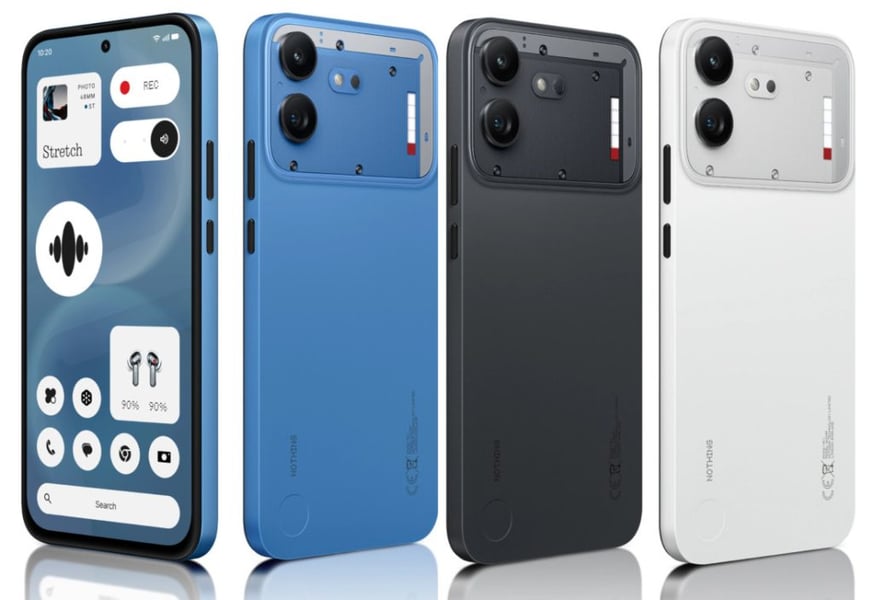

Nothing has officially expanded its smartphone lineup with the launch of the Nothing Phone (4b), a device designed to bring the company’s distinctive transparent-inspired design language to a more affordable audience. The new handset arrives with major hardware upgrades, including a massive 6,000mAh battery, Qualcomm’s Snapdragon 6 Gen 4 processor, a 120Hz AMOLED display and the redesigned Glyph Bar interface.
However, the launch has quickly moved beyond specifications. While Nothing is promoting the Phone (4b) as a stylish and practical smartphone, criticism from repair-focused smartphone makers has sparked a debate about whether brands are turning repairability into a design trend rather than delivering genuine long-term repair solutions.
Nothing Phone (4b) Specifications: Big Battery Meets Mid-Range Hardware
The Nothing Phone (4b) enters the market as the company’s first smartphone under its new B-series lineup, positioned below its existing models. The phone aims to compete aggressively in the crowded mid-range segment by combining premium-looking design elements with affordable hardware.
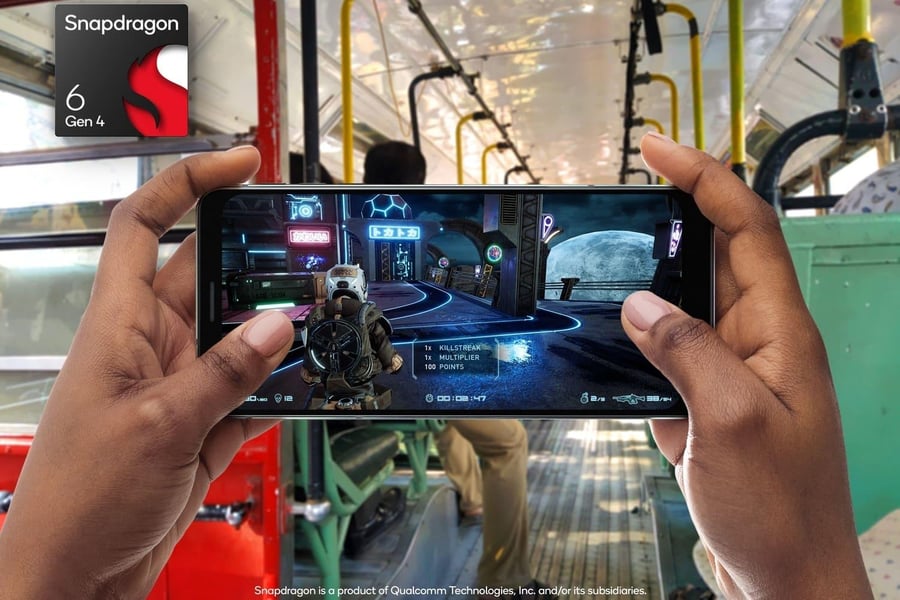
Under the hood, the smartphone runs on Qualcomm’s Snapdragon 6 Gen 4 processor, paired with up to 8GB RAM and 256GB storage. The chipset is designed to improve efficiency and deliver smoother performance for everyday workloads and entertainment.
For display, the Phone (4b) features a large AMOLED panel with a 120Hz refresh rate, offering smoother scrolling and improved responsiveness for users who spend significant time consuming content or playing mobile games.
Glyph Bar Returns With a New Approach
Nothing has continued its signature transparent-inspired design strategy with the Phone (4b), but the company has refined its rear lighting system. Instead of copying the larger Glyph interface seen on premium models, the Phone (4b) introduces a redesigned Glyph Bar featuring new lighting zones.
The system supports notifications, timers, progress indicators and other visual alerts, giving the smartphone a unique identity in a market where many mid-range devices continue to look increasingly similar.
The phone also includes a dual-camera setup with a 50-megapixel primary camera featuring optical image stabilisation, along with an ultra-wide camera. On the software side, it runs Android 16-based Nothing OS, bringing the company’s latest interface improvements and software features.
Pricing Raises Questions Among Buyers
Despite strong specifications, pricing has become one of the biggest discussion points surrounding the Nothing Phone (4b). The smartphone enters a highly competitive market where buyers are carefully comparing hardware, software support and long-term value before making purchasing decisions.
The company’s challenge comes as consumers continue facing rising pricing concerns across the smartphone industry. While Nothing has built a reputation around unique design and clean software, competitors are offering aggressive hardware packages in similar price categories.
The challenge for Nothing is balancing its unique identity with customer expectations. Unlike larger smartphone manufacturers with wider supply chains and stronger market presence, Nothing depends heavily on brand appeal, design innovation and software experience.
Fairphone Criticism Sparks Repairability Debate
The biggest controversy surrounding the Phone (4b) is not related to performance or battery life, but repairability.
Fairphone, a company known for modular and repair-focused smartphones, criticized Nothing’s approach after questioning whether some visible hardware-inspired elements represented genuine repair-friendly engineering or were mainly aesthetic choices.
The debate highlights a wider issue in the smartphone industry. Consumers are increasingly interested in longer-lasting devices, replaceable components and reduced electronic waste. However, critics argue that some manufacturers may be adopting repairability aesthetics without fully embracing modular designs.
Nothing has built much of its identity around transparency, minimalism and unconventional design. The Phone (4b) controversy places additional attention on whether the company can transform that philosophy into meaningful sustainability improvements.
Can Nothing Phone (4b) Stand Out in a Crowded Market?
The Nothing Phone (4b) arrives with several strong selling points: an enormous battery, clean software experience, distinctive design and a recognizable brand identity. These features could appeal to buyers searching for an alternative to traditional smartphone designs.
Nothing’s smartphone lineup continues to expand as the company attempts to strengthen its position in global markets. The Phone (4b) represents another step in that strategy, but competition remains intense.
Performance comparisons, pricing pressure and questions around long-term durability could determine whether the Phone (4b) becomes a successful addition to Nothing’s portfolio or struggles against established rivals.
For now, the Nothing Phone (4b) represents both an opportunity and a challenge. It delivers the hardware upgrades many fans wanted, but the growing debate around value and repairability means Nothing will need to prove that its design philosophy goes deeper than appearance alone.