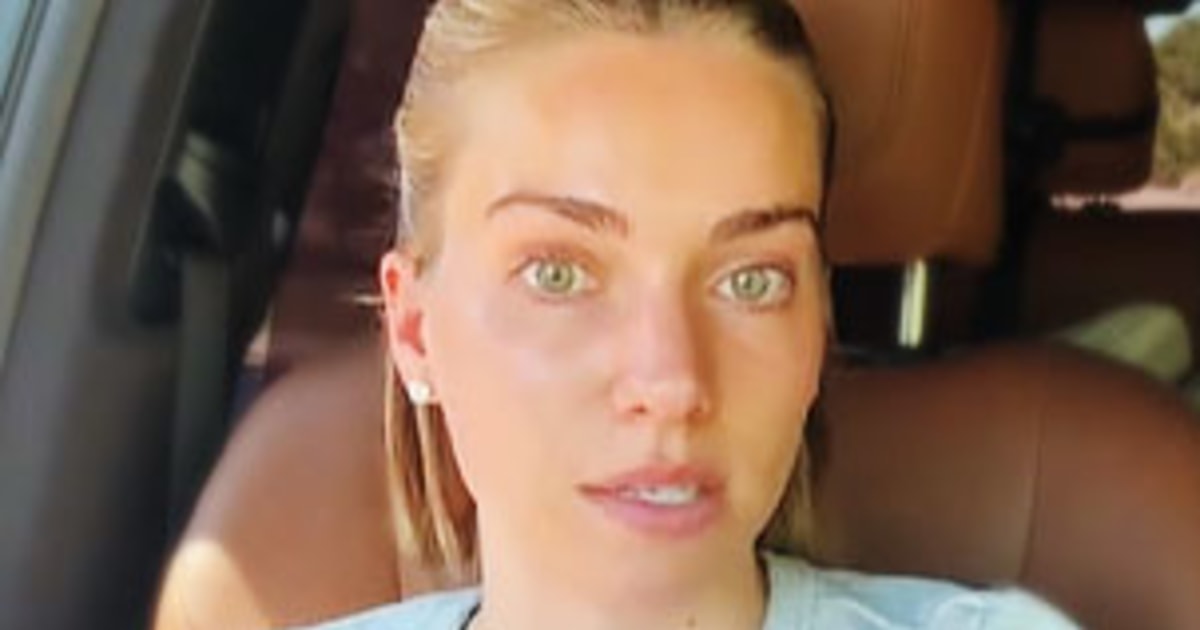

PHOENIX — The photograph was of a boat, of sunlight, of a toddler having a difficult afternoon. It was also of a 16-month-old boy without a life jacket. For Emilie Kiser, whose millions of TikTok followers know precisely what her family has lost on the water, it was not a photograph that could pass without comment.
Kiser, a social media influencer who documents her family’s life in Arizona, posted an apology video this week after the image circulated widely. “Over the course of the last year, our family has been no stranger to tragedy and how quickly life can change,” she said. The statement carried weight her audience did not need explained. In May 2025, her three-year-old son Trigg drowned in the family’s home swimming pool. His death was ruled preventable. Authorities investigated but declined to file charges against her husband Brady Kiser, who had briefly stepped away before the child entered the water.
That history is now the frame through which everything Kiser shares is read. A photo of her youngest child, Teddy, without flotation gear on a boat did not arrive as a generic parenting lapse. It landed on an audience already primed to notice.
“We lost our son Trigg a little over a year ago to a preventable drowning,” she said in the apology video. “Recently we had our son out of a life jacket for moments on a boat. That was a mistake and there is no reason ever why a child should be out of a life jacket.”
She did not obscure what happened. The family had removed Teddy’s life jacket briefly because the boy had become upset during the outing. “We decided to take a few moments to calm him down,” she said, before putting it back. A short window during a difficult afternoon on the water. The kind of moment that passes unnoticed in families who are not being watched and whose losses are not part of the public record.
Kiser announced last month that she is pregnant again. Teddy has since been enrolled in the Infant Swimming Resource program, a survival-swim curriculum that teaches infants and toddlers to float on their backs independently if they enter water unaccompanied. She mentioned the enrollment in the apology video. “I’m not perfect,” she said.
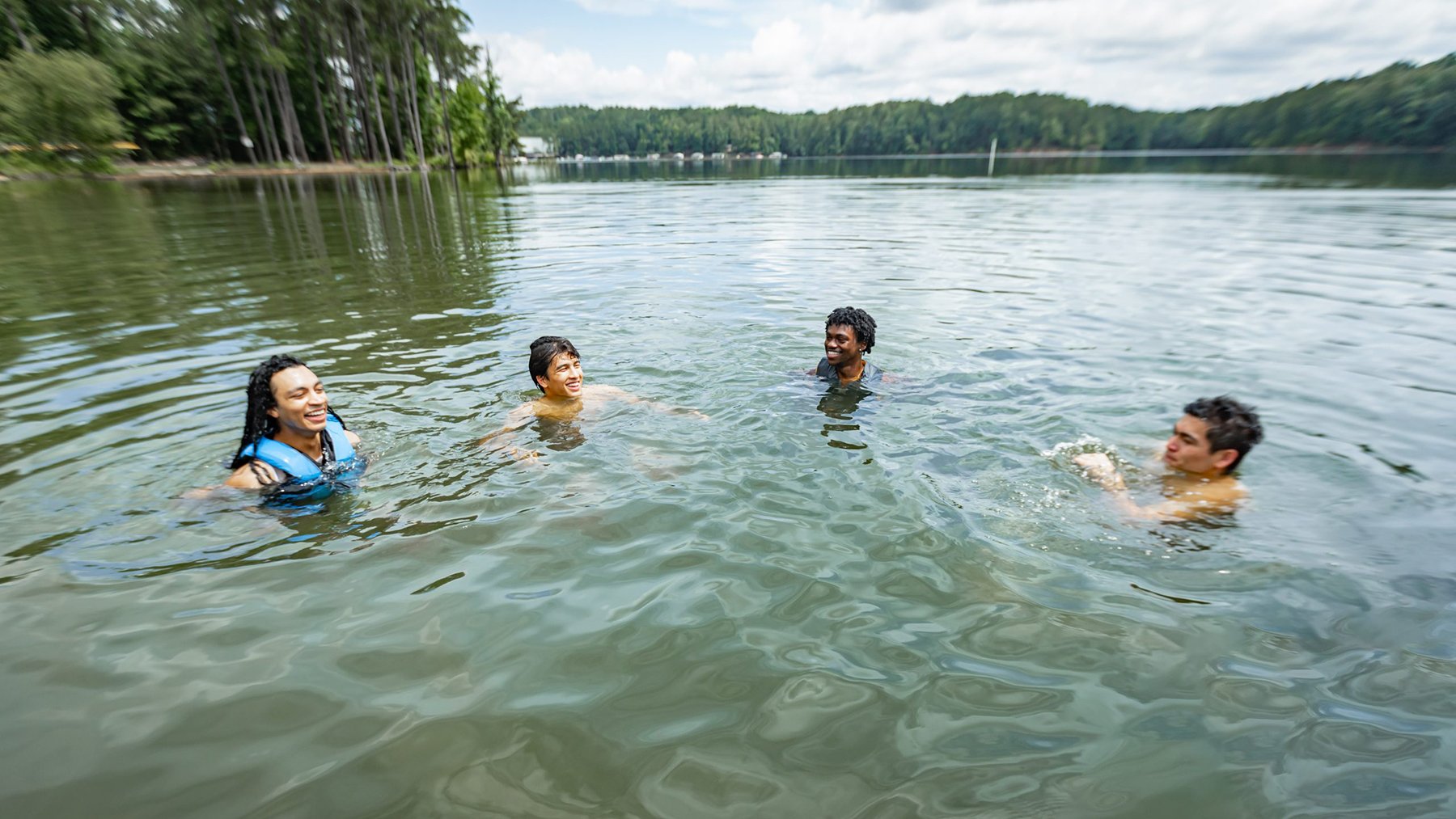
As NBC News first reported, the apology came after the photograph drew immediate attention from Kiser’s followers, who had watched her document the first year of grief over Trigg’s death. What she described was not negligence in any conventional sense, just a parental compromise that, in a different family, would not reach public record. The difference here is the public knowledge of what came before.
Drowning is the leading cause of accidental death among American children between the ages of one and four, according to the Centers for Disease Control and Prevention. Arizona, where the Kiser family lives, records among the highest per-capita rates of child drowning in the nation, a consequence of widespread residential pools and extended warm seasons that keep those pools in use for most of the year. Trigg’s death in May 2025 fell into that pattern: preventable in principle, catastrophic in outcome.
The Infant Swimming Resource program, commonly known as ISR, was developed in the 1960s and teaches a technique distinct from conventional swimming lessons. Rather than teaching strokes and technique, it focuses on what happens when a child enters water unexpectedly, conditioning them to flip onto their backs and float until help arrives. The approach does not substitute for flotation gear or active adult supervision, but its advocates describe it as an independent layer of protection for the moments when those safeguards fail.
The specific condition of grief lived out on a large social media platform is that nothing Kiser does now carries the same privacy it once did. Every photograph, every parenting decision, every apparent lapse is examined against the backdrop of what happened to Trigg. She appears to be aware of this dynamic: the apology video was a product of that awareness, posted before criticism could accumulate further.
Kiser has not indicated when Teddy’s ISR sessions are expected to conclude, or described the response from her followers beyond what prompted the video itself. The original photograph and its initial audience reaction were not detailed in her public account.
What she said, in the end, was that it was a mistake and that she understands why it was one. For an audience that has followed her loss closely, that acknowledgment arrives against a background she did not choose and cannot fully step outside of. The question of whether it is sufficient is one her followers will answer on their own terms, without a defined process or a fixed end point.