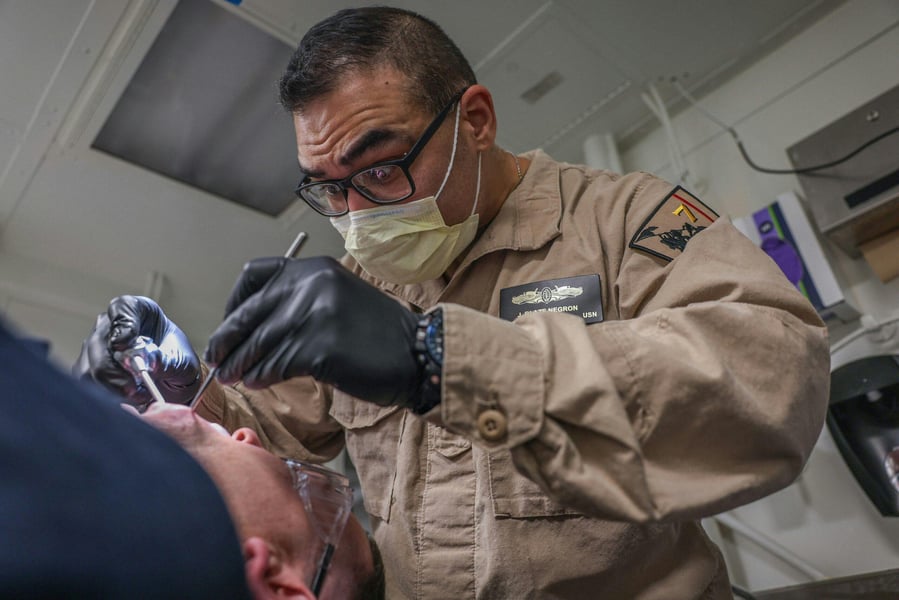

Oral healthcare has become an increasingly important part of overall well-being, yet affordability remains a significant concern for many patients. While routine checkups and cleanings may feel manageable, the cost of more involved treatments can quickly become overwhelming.
Procedures such as crowns, root canals, orthodontics, and implants often require a level of financial planning that many people are unprepared for, creating a growing gap between those who can access timely care and those who delay treatment due to cost.
Here is an overview of why the affordability of oral healthcare can be challenging.
Why Dental Treatments Can Be So Expensive
Several factors contribute to the rising price of oral healthcare. Advances in technology have improved outcomes and comfort, but they have also increased operational costs for practices. High-quality materials, digital imaging, specialized equipment, and ongoing professional training all factor into treatment pricing. In addition, dental care is often excluded or only partially covered by standard insurance plans, leaving patients responsible for a large portion of the bill.
Labor costs also play a role. Dentists, hygienists, and specialists undergo extensive education and training, which is reflected in their fees. While these costs are justified by the level of expertise required, they can still feel out of reach for individuals and families managing tight budgets.
The Impact of Delayed or Avoided Care
When affordability becomes a barrier, many people postpone dental visits until pain or discomfort becomes unavoidable. Unfortunately, delaying care often leads to more complex and costly treatments later on. A minor cavity that could have been addressed early may turn into an infection requiring root canal therapy or extraction. Over time, this cycle increases both physical discomfort and financial strain, reinforcing the challenges patients face.
There is also a broader health impact to consider. Poor oral health has been linked to conditions such as heart disease and diabetes, meaning that cost-related delays can have consequences beyond the mouth. Addressing affordability is therefore not just about dental health, but about long-term wellness.
How Patients Are Navigating Financial Barriers
To cope with high treatment costs, patients are exploring a range of strategies. Some prioritize preventive care to avoid larger expenses later, while others seek out practices that offer transparent pricing and flexible treatment plans. Payment plans and staged treatments can help spread costs over time, making necessary care more manageable without sacrificing quality.
For many, external financing has become a practical solution. Options such as credit-based healthcare financing allow patients to move forward with treatment while paying in installments rather than upfront. Using solutions like finance for dental treatment with Medicred can help bridge the gap between immediate healthcare needs and long-term financial stability, allowing patients to focus on their health rather than postponing care due to cost.
The Role of Education and Open Communication
Affordability challenges are easier to navigate when patients are well-informed. Open discussions between dental professionals and patients about treatment options, expected costs, and alternative approaches can make a significant difference. When patients understand why a procedure is recommended and what options exist at different price points, they are better equipped to make confident decisions.
Financial literacy also plays a role. Understanding budgeting, credit, and repayment terms empowers patients to choose solutions that align with their circumstances. As awareness grows, more people are beginning to see dental care as an essential investment rather than an optional expense.
Looking Ahead at Oral Healthcare Access
Affordability will likely remain a key issue in oral healthcare, especially as technology continues to advance. However, increased transparency, flexible payment options, and a stronger focus on prevention can help reduce the burden on patients.
By addressing financial challenges directly and offering practical solutions, the dental industry can support better access to care and encourage healthier outcomes for a wider range of people.