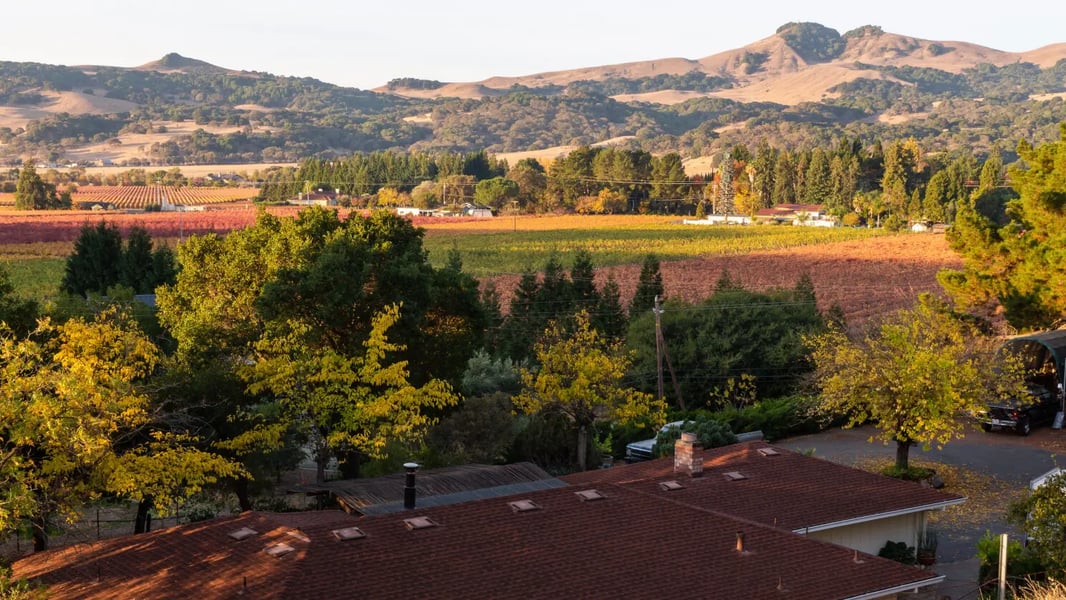

In the rolling hills of Solano County, far from California’s established gambling corridors, a high-stakes legal battle is unfolding over a proposed tribal casino that has quickly become one of the most contentious development projects in the state.
At the center of the dispute is the Scotts Valley Band of Pomo Indians, a federally recognized tribe whose ancestral lands lie in Northern California. The tribe’s plan to build a large-scale casino and entertainment complex near Vallejo has drawn fierce opposition from local officials, competing tribes and state authorities, even as federal regulators have granted key approvals.
The project entered legal limbo after the Bureau of Indian Affairs approved transferring nearly 160 acres into federal trust, a key requirement under the Indian Gaming Regulatory Act. That approval triggered immediate political resistance and legal maneuvering.
The clash reflects a broader tension that has defined tribal gaming in California for decades, a subject we have examined in our ongoing casino and gambling coverage, where regulatory authority often collides with tribal sovereignty and local governance.
Tribal leaders say the project represents long-delayed economic self-determination. The Scotts Valley Band was terminated under mid-20th century federal policy and later reinstated. For tribal officials, the casino is framed as an economic lifeline, promising jobs, healthcare access, housing support and financial independence.

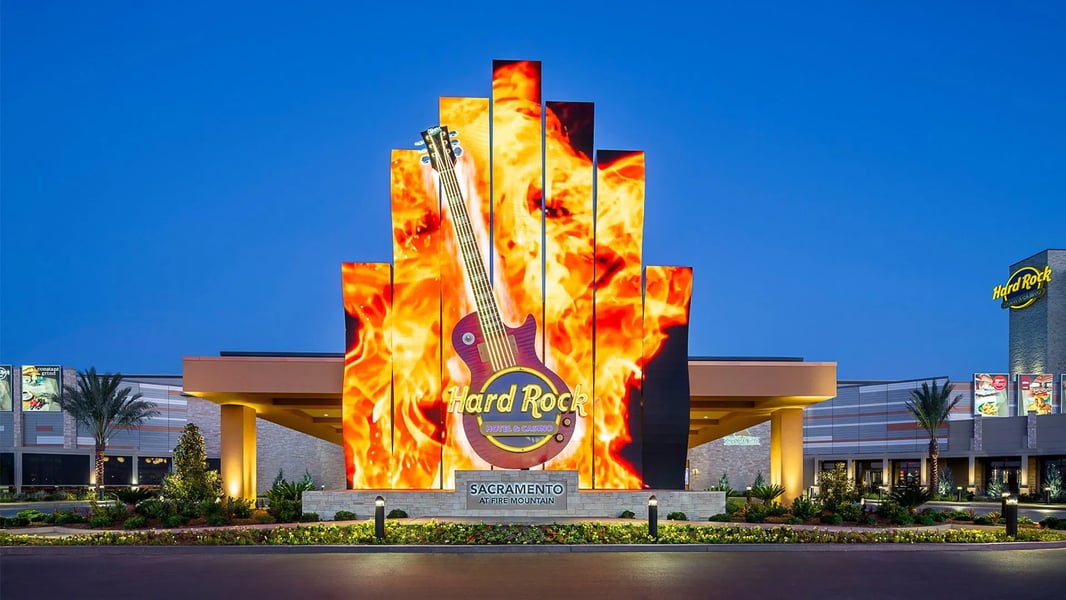
Local officials in Vallejo and Solano County have echoed infrastructure concerns. Industry observers note that similar regulatory battles have reshaped other large-scale gaming developments, including the recent Hard Rock Casino Tejon opening in California, which illustrated how tribal expansion projects can transform regional economies.
Competing Tribes and Legal Escalation
Several tribes have filed lawsuits seeking to block the project, arguing that the proposed casino lies outside traditional tribal territory and could undermine negotiated geographic compacts. The dispute escalated after Patwin tribes sued to halt the Vallejo casino project, intensifying an already complex legal battle.
Subsequent reporting shows the Scotts Valley Band working to dismiss multi-tribal lawsuits and preserve federal approval, as detailed in coverage examining how the tribe seeks to end ongoing litigation over the gaming site.
Legal experts say the dispute hinges on how restored tribal lands qualify under IGRA’s provisions. Federal regulators initially determined that the project met statutory requirements, but further review and court proceedings could influence the final outcome.
Federal Oversight and Judicial Review
While federal authorities approved the land-into-trust decision, the Department of the Interior has faced mounting scrutiny. Industry analysis has questioned whether the Scotts Valley Band’s Bay Area casino plan could face reconsideration, as outlined in reporting on whether the project is in jeopardy amid legal review.
Federal courts have allowed the tribe to continue pursuing the project during administrative reevaluation, meaning the development remains technically viable even as opponents challenge its legality.
Economic Stakes in Solano County
The proposed development includes a full casino floor, hotel accommodations, restaurants and entertainment venues. Supporters estimate thousands of construction and permanent jobs. Economic impact projections have placed the project among the more significant private developments proposed in the region in recent years.
Large-scale casino projects often serve as economic anchors, generating indirect revenue through tourism, hospitality and supply chain expansion.
A Statewide Precedent
The implications extend well beyond Solano County. If the Scotts Valley Band ultimately prevails, other restored or landless tribes may pursue similar off-reservation gaming initiatives, potentially reshaping California’s gaming map.
Established tribes that negotiated geographic exclusivity under state compacts fear that a successful outcome here could weaken those protections.
What Comes Next
For now, the project remains suspended between regulatory approval and full implementation. Court decisions, federal review outcomes and potential gubernatorial concurrence will determine the next phase.
Whether construction begins or the project stalls indefinitely, the legal battle has already become a defining case in California’s evolving tribal gaming landscape, one that could set precedent for years to come.