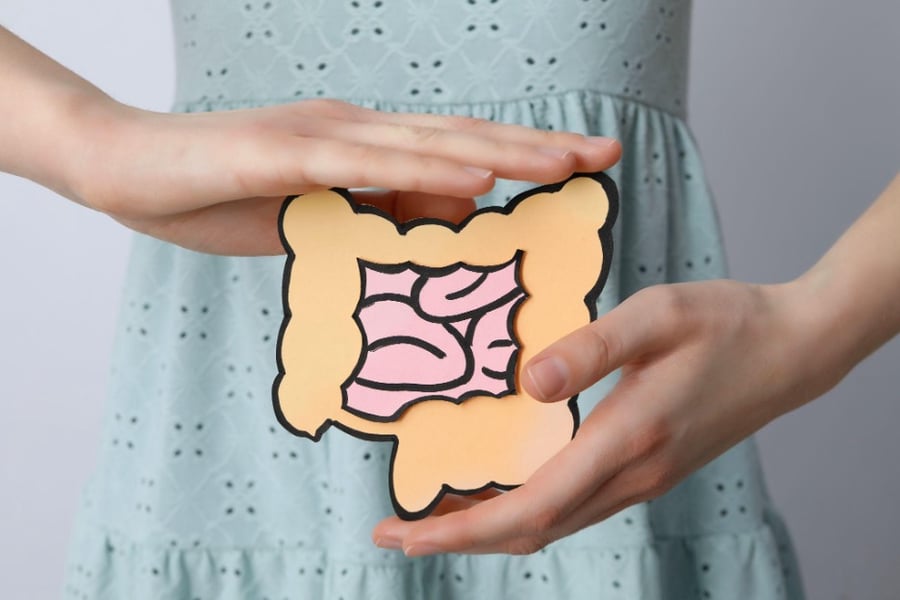

Hair loss is rarely just about the scalp. Increasingly, researchers and clinicians are looking at a broader connection — the link between your mind, your gut, and your hair. This is sometimes referred to as the mind-gut-hair axis.
It may sound abstract, but the connection is very real. Stress affects digestion. Digestion affects nutrient absorption and inflammation. Both influence hormonal balance. And all of these directly impact hair follicles.
Understanding this triangle can completely change how you approach hair fall.
How the Mind Affects the Gut
When you are under chronic stress, your body releases cortisol and adrenaline. These hormones prepare you for survival, not growth.
High stress can:
- Slow digestion
- Reduce stomach acid
- Alter gut bacteria
- Increase gut permeability
- Raise inflammatory markers
Many people notice bloating, acidity, or irregular bowel movements during stressful phases. That is the gut reacting to mental strain.
How the Gut Affects Hair
Your gut is responsible for absorbing nutrients essential for hair growth, including:
- Protein
- Iron
- Zinc
- Vitamin B12
- Vitamin D
If digestion is weak or inflamed, even a good diet may not be enough. Poor absorption leads to subtle deficiencies that weaken hair follicles.
Gut imbalance also increases systemic inflammation, which can disrupt the hair growth cycle and accelerate shedding.
The Stress-Hair Link
Chronic mental burnout can push hair follicles into the resting phase prematurely. This often results in telogen effluvium — noticeable shedding that begins a few months after a stressful period.
Common triggers include:
- Work pressure
- Emotional trauma
- Sleep deprivation
- Major life transitions
The delay between stress and hair fall often makes the connection easy to miss.
The Hormonal Bridge
The gut also influences hormones. An unhealthy gut can worsen insulin resistance and affect estrogen metabolism. Hormonal imbalance is a major driver of female pattern hair thinning.
So the loop looks like this:
Stress affects the gut → the gut affects hormones and inflammation → hormones and inflammation affect hair.
Signs the Mind-Gut-Hair Axis May Be Involved
You might notice:
- Hair fall increases during stressful periods
- Digestive discomfort during anxiety
- Fatigue and brain fog along with thinning
- Flare-ups of acne and hair shedding together
- Sleep issues before or during shedding phases
When multiple systems seem out of sync, it’s rarely a coincidence.
Breaking the Cycle
Instead of isolating hair as a cosmetic problem, addressing all three areas together is more effective.
Start with:
- Improving sleep quality
- Regular meal timing
- Adequate protein intake
- Reducing caffeine overload
- Managing screen time before bed
- Gentle stress-reduction practices
Small daily shifts calm the nervous system and stabilize digestion, which supports healthier hair growth.
Why a Root-Cause Model Helps
Hair fall driven by the mind-gut-hair axis doesn’t respond well to surface treatments alone. This is why comprehensive systems, like Traya’s root-cause mapping approach, evaluate stress levels, digestion patterns, nutrient markers, and hormonal balance together.
When all three systems are aligned, the hair cycle stabilizes more naturally.
Final Takeaway
Hair loss is not just about follicles. It’s about systems. Your nervous system, digestive system, and endocrine system are constantly interacting.
If hair fall feels linked to stress, digestive issues, or fatigue, it may be time to zoom out. The solution may not lie in the next product — but in restoring balance across the mind, gut, and body.