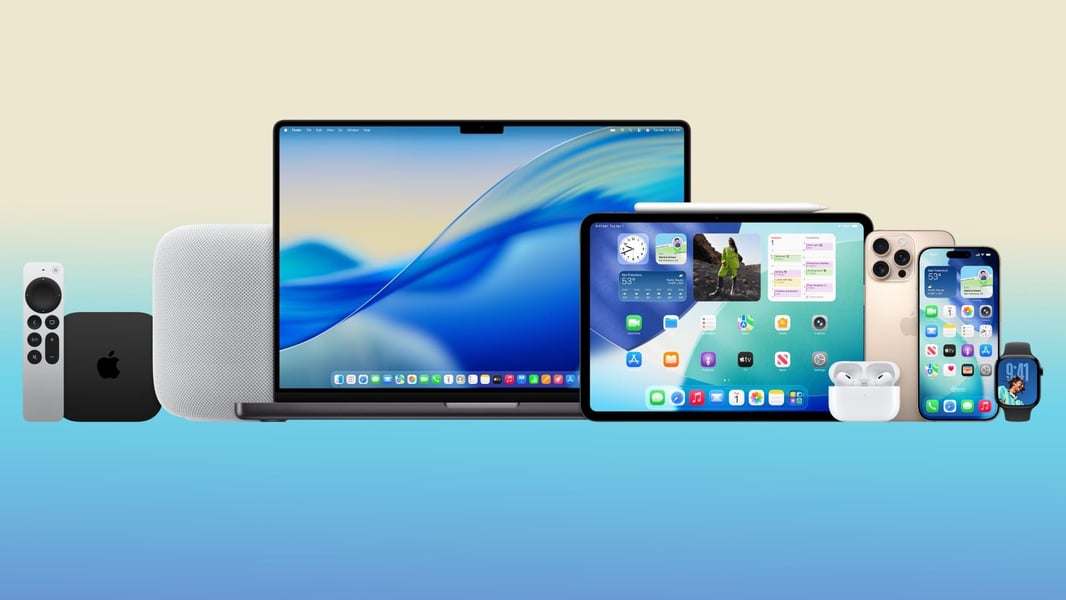

CUPERTINO — Apple has unveiled one of its most ambitious platform overhauls in years, introducing “Apple Business,” a unified system that brings together device management, communication tools, customer engagement features, and a new advertising layer into a single ecosystem. While framed as a productivity solution for companies, the move signals a deeper strategic shift: Apple is positioning itself as a full-scale competitor in enterprise software and digital advertising markets long dominated by rivals.
The platform, announced Tuesday, will roll out globally starting April 14 across more than 200 countries, marking one of Apple’s fastest and widest enterprise deployments to date.
At its core, Apple Business consolidates several previously fragmented services, including Apple Business Manager, Apple Business Essentials, and Apple Business Connect, into a single interface designed to simplify operations for businesses of all sizes.
But beyond simplification, the platform introduces a more consequential shift: Apple is embedding businesses directly into its ecosystem of apps, data flows, and customer touchpoints.
A unified operating layer for businesses
Apple Business is designed to function as a centralized operating system for companies. It combines mobile device management, internal communication tools, and customer-facing services into one integrated environment.
Businesses can configure and control fleets of iPhones, iPads, and Macs through built-in mobile device management tools, eliminating the need for third-party solutions. The platform allows administrators to organize employee groups, enforce security settings, and deploy applications using preconfigured “Blueprints.”
In parallel, Apple is expanding into core workplace infrastructure. Companies can now create custom domain email addresses, manage calendars, and maintain internal directories, features traditionally dominated by Google Workspace and Microsoft 365.
The result is a vertically integrated system where hardware, software, and services are tightly linked, a hallmark of Apple’s broader ecosystem strategy.
From infrastructure to customer acquisition
What distinguishes Apple Business from traditional enterprise tools is its direct connection to consumer-facing platforms.
Businesses using the platform can manage how their brand appears across Apple Maps, Wallet, Siri, Mail, and Spotlight. This includes customizable “place cards” with images, offers, and actionable features such as reservations or purchases.
In effect, Apple is transforming its ecosystem into a discovery and transaction layer, allowing businesses not only to operate internally but also to engage customers at critical decision points.
This integration creates a closed-loop system where a company can manage operations, promote products, and interact with customers, all within Apple’s infrastructure.
Advertising enters the equation
The most controversial element of the announcement is Apple’s expansion into advertising, particularly through its Maps application.
Starting this summer in the US and Canada, businesses will be able to purchase ads that appear at the top of search results in Apple Maps, placing paid listings above organic results.
The feature will also include a Suggested Places section, where businesses can gain visibility based on user behavior and trends, further blending advertising with discovery.
This marks a significant departure for Apple, which has long differentiated itself from competitors by emphasizing privacy and limiting its reliance on advertising revenue.
While Apple insists that user data will remain on-device and not be shared with third parties, analysts see the move as a clear entry into a lucrative market currently dominated by Google and Meta.
The implications are profound: Apple is no longer just a gatekeeper of digital experiences but an active participant in monetizing them.
Strategic timing amid shifting revenue pressures
The launch of Apple Business comes at a time when the company’s traditional revenue streams are facing increasing scrutiny.
Regulators in Europe and elsewhere are challenging Apple’s App Store practices, while advances in artificial intelligence are beginning to disrupt search-based advertising models that underpin parts of its ecosystem.
At the same time, Apple’s services division, which includes iCloud, Apple Music and other offerings, has become a critical growth engine, delivering record-breaking performance in recent years.
By integrating advertising into Maps and embedding business services across its ecosystem, Apple is effectively diversifying its revenue base while strengthening control over its platform.
Direct challenge to Big Tech incumbents
The introduction of Apple Business places the company in more direct competition with major technology players on multiple fronts.
In enterprise software, Apple is encroaching on territory long dominated by Microsoft and Google, offering an alternative that emphasizes simplicity and tight integration with hardware.
In digital advertising, the company is stepping into a space where Google has historically held a commanding lead, particularly in local search and discovery.
The convergence of these capabilities, enterprise tools, consumer reach, and advertising, positions Apple as a unique hybrid player in the technology landscape.
Rather than competing on a single front, Apple is building an interconnected system that spans the entire lifecycle of a business, from internal operations to customer acquisition.
A closed ecosystem with expanding influence
Apple Business reinforces the company’s long-standing strategy of ecosystem control.
By consolidating tools and embedding them across its devices and services, Apple is creating an environment where businesses become increasingly reliant on its infrastructure.
This dependency offers clear advantages, streamlined workflows, integrated tools, and access to a vast user base, but it also raises questions about competition and platform dominance.
As businesses adopt Apple Business, they may find themselves tied more closely to Apple’s hardware and software ecosystem, limiting flexibility but gaining efficiency.
Privacy narrative under pressure
Apple has emphasized that its new advertising features will adhere to its privacy principles, with user data remaining on-device and not linked to personal identities.
However, the introduction of ads within core services like Maps has sparked debate about whether the company can maintain its privacy-first image while expanding into advertising.
The tension reflects a broader challenge facing Apple: balancing its brand identity with the need to generate new revenue streams in an increasingly competitive environment.
Global rollout and future implications
With its launch scheduled for April 14, Apple Business will be available in over 200 countries, signaling the company’s intent to scale rapidly and capture a global audience.
The platform’s success will depend on its ability to attract businesses away from established ecosystems while delivering tangible value in both operations and customer engagement.
Early indicators suggest that Apple is betting on integration as its key differentiator, offering a seamless experience that competitors may struggle to replicate.
At the same time, the introduction of advertising within its ecosystem could redefine how Apple monetizes its services, potentially reshaping the competitive dynamics of the tech industry.
Apple Business is more than a new product. It is a strategic pivot that expands Apple’s reach into enterprise software, customer engagement, and digital advertising, all while reinforcing its ecosystem.
By unifying its tools and embedding them across its platforms, Apple is positioning itself not just as a technology provider, but as an infrastructure layer for modern businesses.
The move signals a future where Apple is no longer confined to devices and services, but operates as a comprehensive business platform, one that could challenge the dominance of existing players and redefine the rules of the digital economy.