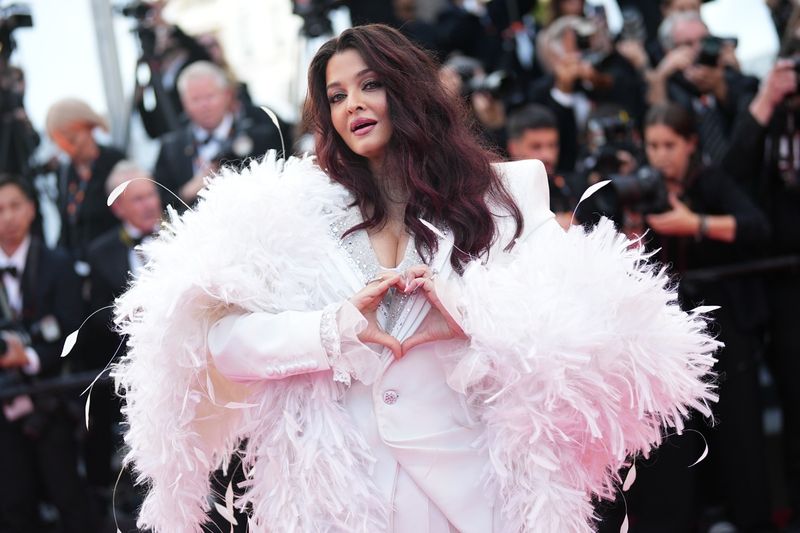
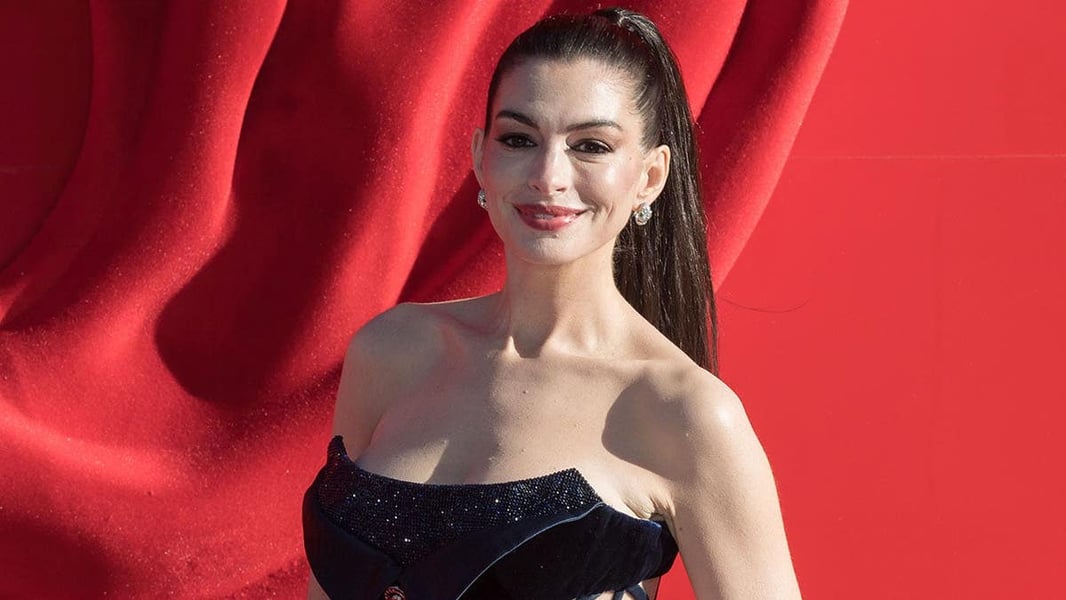
In the rarefied world of global fashion, where spectacle, celebrity, and cultural symbolism collide, few events command attention like the Met Gala. Each year, the steps of the Metropolitan Museum of Art transform into a stage where clothing transcends fabric and becomes statement, identity, and art. Now, with the unveiling of its latest theme, the 2026 edition is shaping up to be one of the most conceptually ambitious, and culturally resonant, yet.
The announcement of “Costume Art” as the central theme signals a decisive shift in how fashion’s most powerful institutions want the world to interpret style: not as trend, but as artistic expression embedded in history, identity, and the human form. According to Vogue, the exhibition will explore the relationship between clothing and the body itself, placing garments within a broader artistic and historical framework.
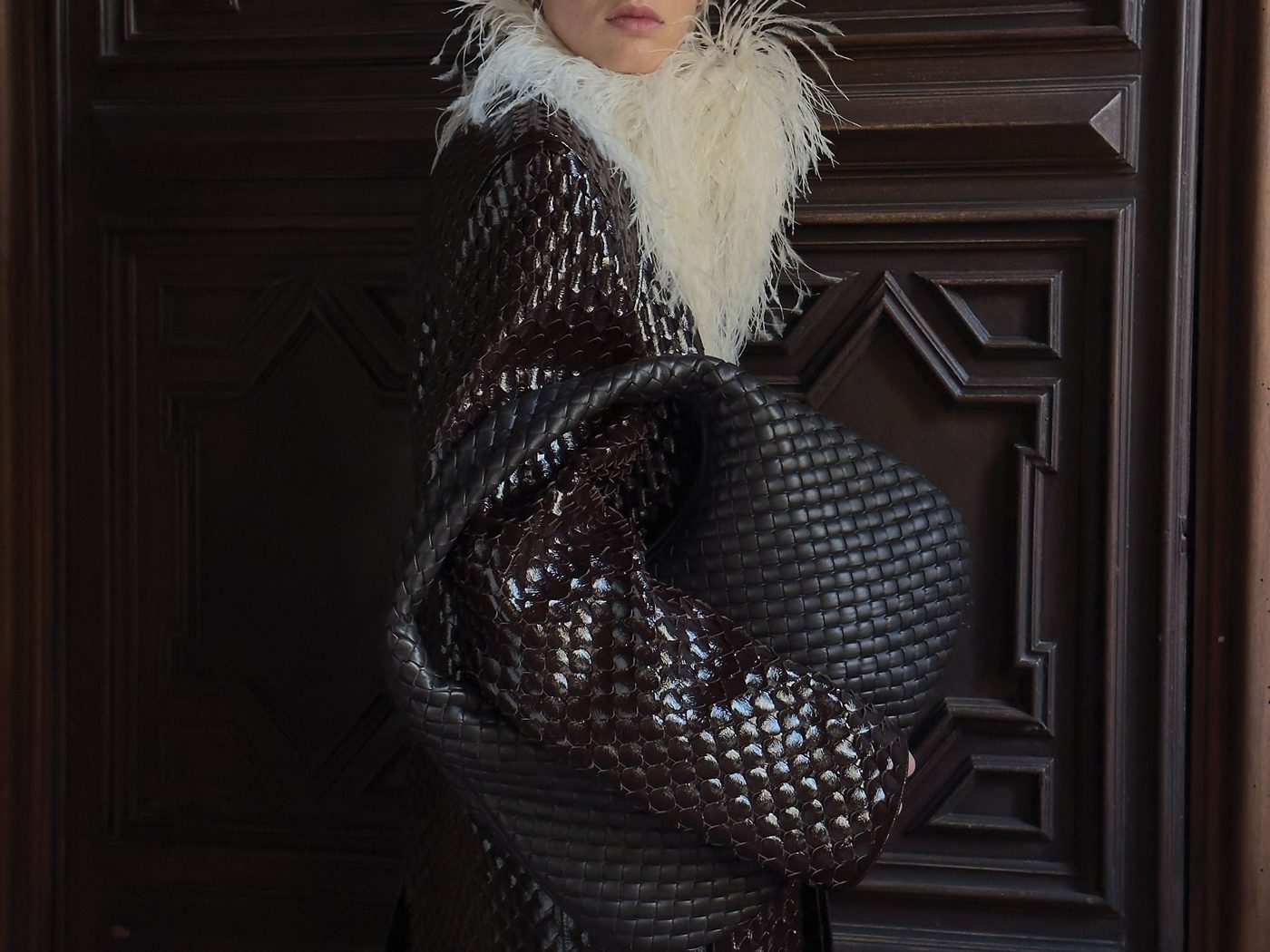
Accompanied by the dress code “Fashion Is Art,” the upcoming gala invites attendees to blur the boundaries between museum and runway, between body and sculpture, between self-expression and curated exhibition. The theme, as outlined in fashion coverage, emphasizes how designers use the human form as a canvas for storytelling and visual expression.
Fashion as a Language of the Body
Curated by Andrew Bolton, the Costume Institute’s exhibition will examine the “centrality of the dressed body,” a concept that reframes fashion as a foundational cultural language rather than mere decoration. Objects in the exhibition will span centuries, linking garments with artistic traditions across civilizations.
The exhibition is expected to include pieces that juxtapose garments with sculptures, paintings, and artifacts, reinforcing the idea that fashion has always existed alongside, and within, the broader history of art. This approach positions the Met Gala not just as a spectacle, but as a platform for intellectual and artistic inquiry.

The Return of Power Players
The cultural weight of the 2026 gala is amplified by its co-chairs, Beyoncé, Nicole Kidman, Venus Williams, and Anna Wintour—figures whose influence spans entertainment, sport, and fashion governance. Their appointment underscores the interdisciplinary nature of the event and its growing global reach.
Among them, Beyoncé’s return has generated intense anticipation. Her reappearance after nearly a decade has already been described as a defining moment for the event, with reports pointing to a “Beyoncé effect” reshaping expectations around attendance and spectacle.
The presence of Nicole Kidman also reinforces the gala’s deep ties to Hollywood and global cinema, reflecting the intersection of fashion and storytelling. Her continued cultural relevance is evident in coverage of celebrity profiles and cultural relevance, including recent reporting on her personal life and career.
A Guest List Wrapped in Secrecy, and Speculation
The Met Gala’s guest list remains one of the most tightly controlled in the cultural calendar, curated to balance legacy icons with emerging voices. Yet even within that secrecy, guest list speculation has already reached a fever pitch, with anticipation fueled by the presence of high-profile co-chairs and evolving celebrity dynamics.
Names circulating in early discussions reflect a mix of global superstars and rising figures, underscoring how the event functions as a barometer of cultural relevance. This dynamic mirrors broader shifts in celebrity culture and fashion events, similar to those explored in coverage of global fashion gatherings and Hollywood influence.
Attendance at the Met Gala is not merely symbolic; it signals a place within the evolving hierarchy of influence.
The Red Carpet as Performance Art
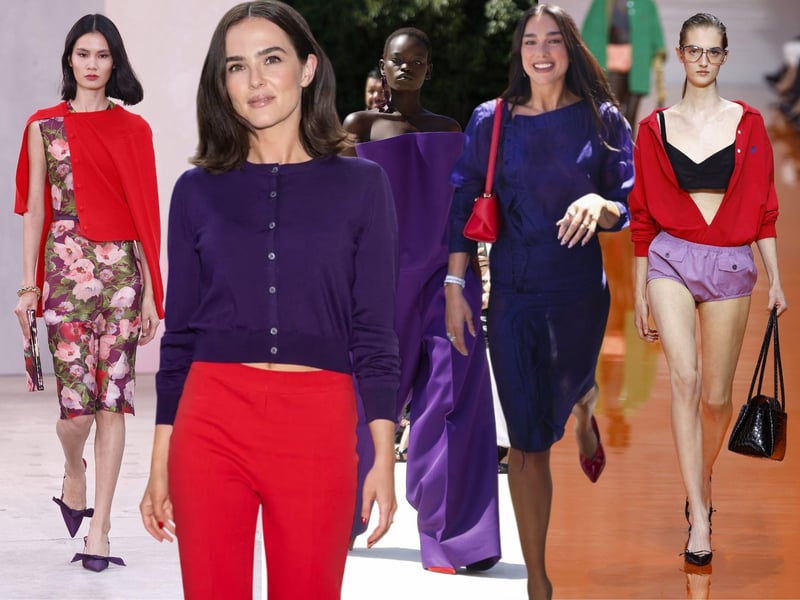
If the exhibition provides the intellectual foundation, the red carpet serves as its most visible expression. Under the “Fashion Is Art” dress code, attendees are expected to push creative boundaries, transforming garments into narrative statements.
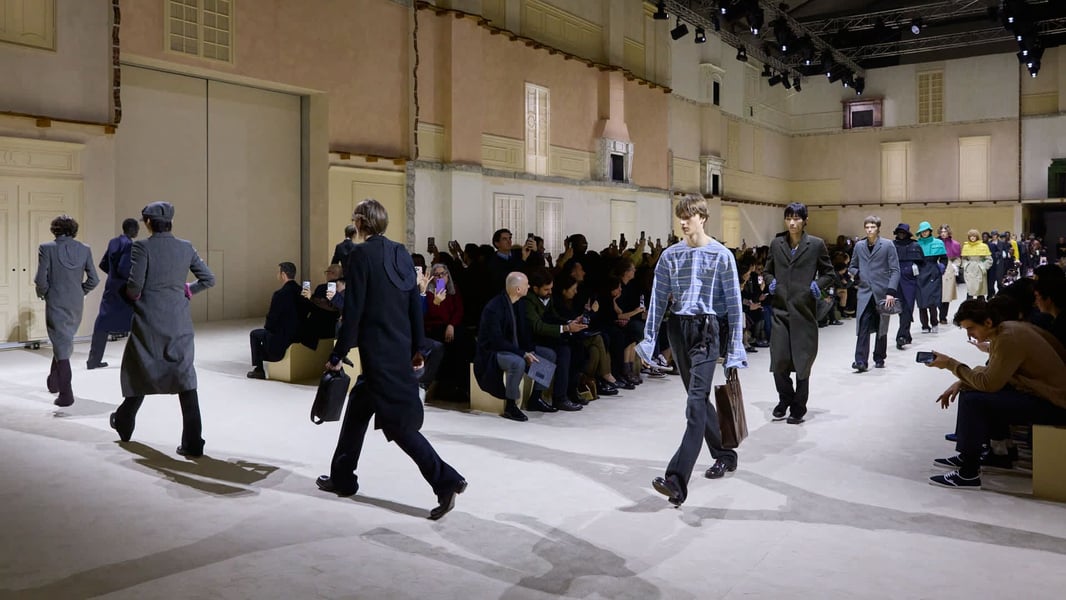
Designers are likely to draw from a wide spectrum of artistic traditions, from classical sculpture to avant-garde experimentation. Early red carpet interpretations suggest a move toward increasingly theatrical presentations, where fashion operates as performance.

The Evolution of the Met Gala
What began as a fundraising dinner has evolved into one of the most influential cultural events in the world. Today, the Met Gala shapes not only fashion trends but also broader conversations around identity, art, and power.
Its transformation reflects the growing intersection of media, celebrity, and global culture. The event’s influence now extends far beyond New York, shaping digital discourse and visual culture across continents.
This global fashion influence is increasingly evident in the rise of new cultural power centers, as explored in analysis of emerging global fashion leadership.
Power, Influence, and Cultural Control
At the center of the Met Gala’s enduring influence is Anna Wintour, whose continued role as co-chair underscores her authority within the fashion ecosystem. Even amid shifts in media leadership, her control over the event remains largely intact.
This concentration of influence highlights broader questions about how cultural narratives are shaped, and who ultimately controls them.
Critics and Contradictions
Despite its prestige, the Met Gala has long faced criticism from within the celebrity world itself. Some attendees have described the event as overwhelming or performative, reflecting tensions between artistic ambition and social reality.

Why This Year Matters
What sets this edition apart is its emphasis on the human body as both subject and canvas. By focusing on the “dressed body,” the exhibition engages with questions of identity, representation, and artistic expression that resonate far beyond fashion.
At the same time, the convergence of high-profile co-chairs, intense media attention, and evolving digital platforms suggests that this year’s gala could reach unprecedented levels of global engagement.

The Stakes of Spectacle
Ultimately, the Met Gala is more than an event. It is a mirror reflecting the values, contradictions, and aspirations of the cultural moment.
With “Costume Art,” that mirror sharpens. The question is no longer simply what celebrities will wear, but what those choices will mean.
Will fashion rise fully into the realm of art, or remain confined within spectacle?
As anticipation builds, one thing is certain: the world will be watching.