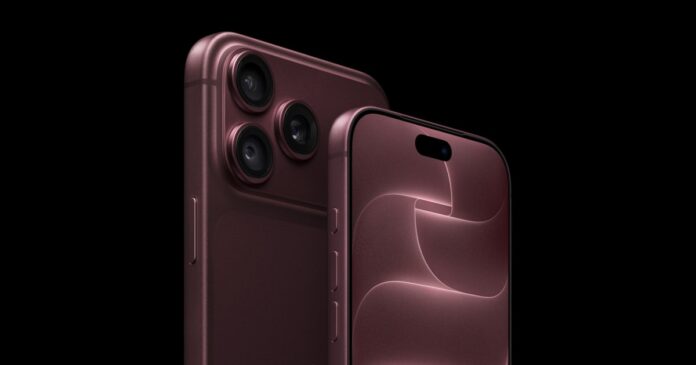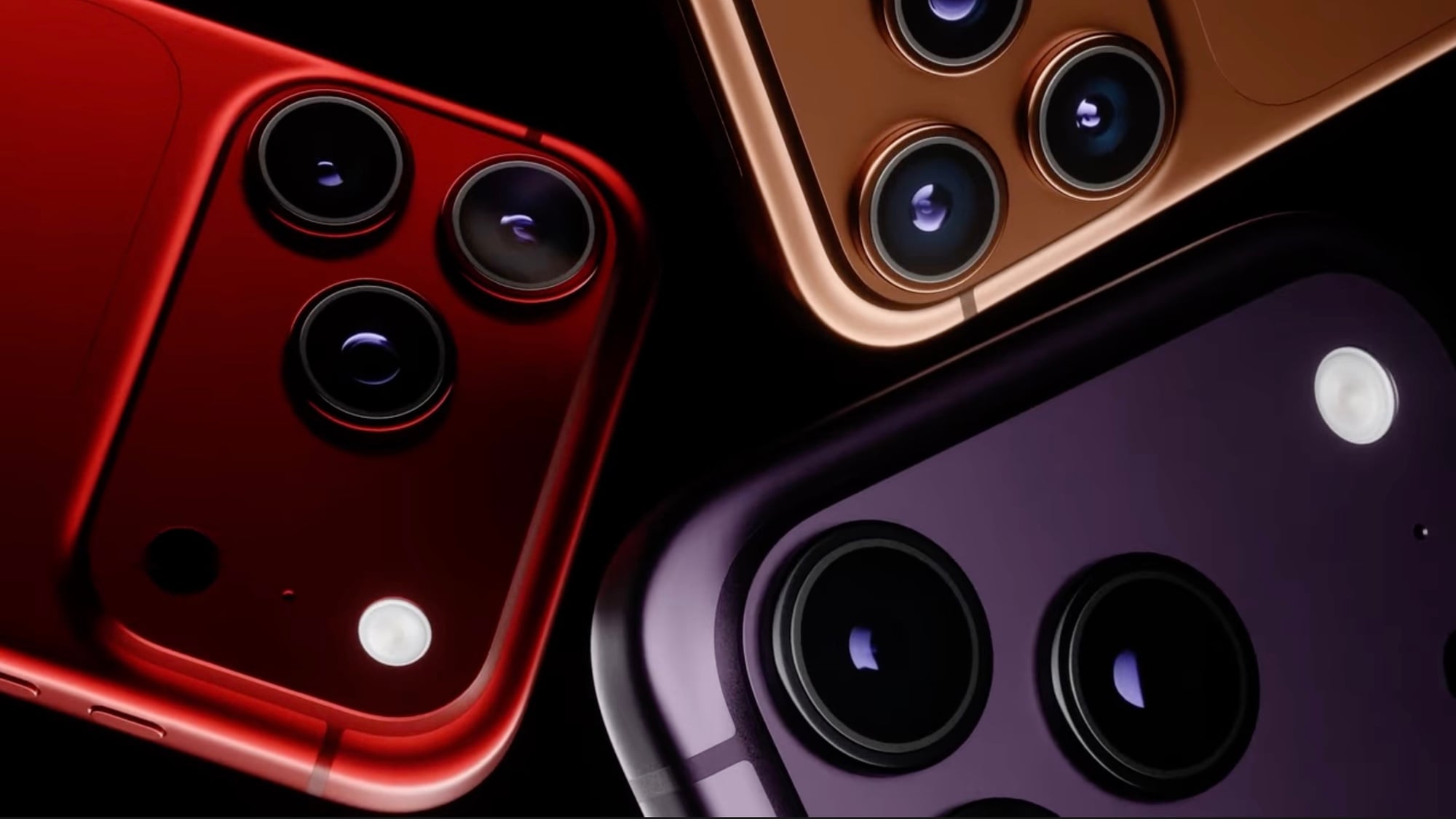

Apple’s next flagship iPhone may finally deliver a feature long associated with professional cameras, signaling a turning point in smartphone photography.
A series of fresh leaks and supply chain reports suggest that the iPhone 18 Pro will introduce a variable aperture camera system, a first for Apple, alongside a broader multi-year camera overhaul that could reshape how users capture images on mobile devices.
The development comes amid rapid innovation trends shaping the broader smartphone industry.
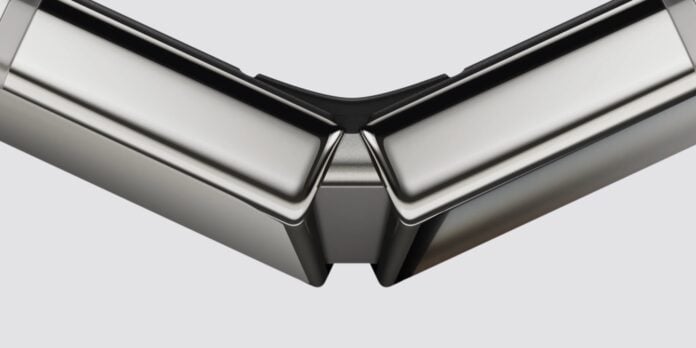
For years, iPhones have relied on fixed-aperture lenses, meaning the camera’s opening remains constant regardless of lighting conditions. That may soon change. The iPhone 18 Pro is expected to feature a lens capable of control how much light enters the sensor.

Such flexibility could enable users to create natural background blur without relying entirely on software-based portrait modes, narrowing the gap between smartphones and traditional DSLR cameras.
Industry observers say this move represents a major design shift in Apple’s camera philosophy, addressing one of its most persistent limitations. Reports indicate the upgrade could fix Apple’s biggest camera flaw by giving users real optical control rather than computational approximations.
The variable aperture feature is not expected to arrive in isolation. According to multiple leaks, Apple is planning a four-part camera upgrade strategy, with the iPhone 18 Pro serving as the starting point.
Future enhancements under consideration include a significantly larger main sensor for improved light capture, enhanced optical image stabilization for ultra-wide shots, and a high-resolution periscope telephoto lens.
While timelines for these additional upgrades remain unclear, their inclusion suggests Apple is preparing a multi-year push to dominate mobile photography, alongside aesthetic refinements like bold new colors that could redefine its flagship identity.
Despite the excitement, the real-world impact of variable aperture on smartphones remains a subject of debate.
Because smartphone camera sensors are much smaller than those in dedicated cameras, the degree of depth-of-field control may be more limited. Still, even incremental improvements could deliver noticeable benefits in everyday scenarios such as night photography, portraits, and high-contrast scenes.
Early explanations of the technology suggest users could achieve DSLR-like control over focus and exposure—options typically reserved for high-end cameras.
Apple would not be the first smartphone maker to experiment with variable aperture, but its entry into the space could legitimize the feature at scale. Rivals have introduced similar systems in the past, though often with mixed results due to cost and engineering challenges.
The iPhone 18 Pro is widely expected to launch in September 2026, alongside the Pro Max variant and potentially other new devices in Apple’s lineup.
Beyond the camera, the device is rumored to include a next-generation chip, a redesigned display, and continued advancements in battery life and connectivity.
Apple’s strength has long been its integration of hardware and software, particularly in computational photography. The addition of variable aperture suggests a shift toward blending physical camera mechanics with its existing AI-driven image processing.
If successful, the iPhone 18 Pro could mark a new phase where smartphones no longer rely primarily on software tricks to simulate professional effects—but instead achieve them through genuine optical innovation.
For users, that shift may be less about technical specifications and more about creative control: the ability to shape light, focus, and depth with a level of precision that was once out of reach for a device that fits in a pocket.
As leaks continue to surface, one thing is becoming clear: Apple is not just refining the iPhone camera—it is rethinking it.