
BRUSSELS – Apple is building a feature that would let iPhone users copy something on their phone and paste it directly onto a Windows PC. The catch, buried in Apple’s own response to European regulators, is that it might never actually ship.
The feature, which Apple confirmed it would develop after a request from Microsoft filed with the European Union in March 2026, works like a cross-platform version of Universal Clipboard, the tool that already lets text, images and links move seamlessly between Apple devices. If you’ve ever copied a URL on your Mac and needed it on your iPhone, that’s what’s coming. Except for Windows. And only in Europe.
The path here is regulatory, not voluntary. Microsoft submitted its interoperability request under the EU’s Digital Markets Act on March 25, 2026, arguing that clipboard sharing is something users already expect to work across their primary devices. Apple initially pushed back, citing concerns about operating system integrity and intellectual property. Then, on June 26, 2026, it agreed to develop the feature.
“Cross-device copy and paste is a foundational productivity interaction that users expect to ‘just work’ across their primary devices,” Microsoft said in its filing, as reported by 9to5Mac.
Apple’s response was qualified in a way that matters. The company said it would develop the solution but acknowledged that “it may be that it will ultimately not be feasible or appropriate to provide an interoperability solution,” a line that functions less as a commitment than as a pre-written exit. The Digital Markets Act has given Apple a deadline, but not yet a product.
The technical approach involves Apple’s AccessorySetupKit, an API framework that requires users to authorise each Windows PC individually before clipboard content can flow between devices. That’s a deliberate friction point: clipboard contents include passwords, addresses and authentication codes, and Apple has flagged those categories as requiring specific protection. The one-time consent model is similar to how iOS already handles pairing with Bluetooth accessories.
None of this exists yet. Apple estimates it will complete development by fall 2027, a timeline that suggests an arrival in iOS 28, though Apple hasn’t confirmed that version number or any release date. A developer beta would follow the completion of development, with the feature reaching ordinary users shortly after. The timing, if it holds, puts it roughly 16 months away.
Geography matters here too. The feature is planned for EU markets only. Apple has, on occasion, expanded EU-mandated features to other regions after launching them locally, with third-party browser defaults and sideloading being recent examples, but there is currently no indication it will do the same with clipboard syncing. iPhone users in the United States, the United Kingdom and elsewhere may get nothing from this, at least not by default.
That is the shape of how Apple handles the DMA: comply in the markets it applies to, say little about what comes next. The European Commission has grown accustomed to this posture. The fight over Siri AI features in EU markets ended in a public dispute over who was responsible for delays, with Apple and regulators offering contradictory accounts of the same timeline. The push to open WhatsApp to competing AI chatbots followed a similar script. Enforcement and delay have become the rhythm of Digital Markets Act compliance.
The clipboard feature is narrower in scope than either of those fights, but it represents the same dynamic: a company building something because it was told to, on a timeline measured in years, with language hedging whether it will arrive at all. Users who have spent years texting themselves URLs to move them from phone to laptop are being told to wait, and to hope Apple’s feasibility assessment lands in their favour.
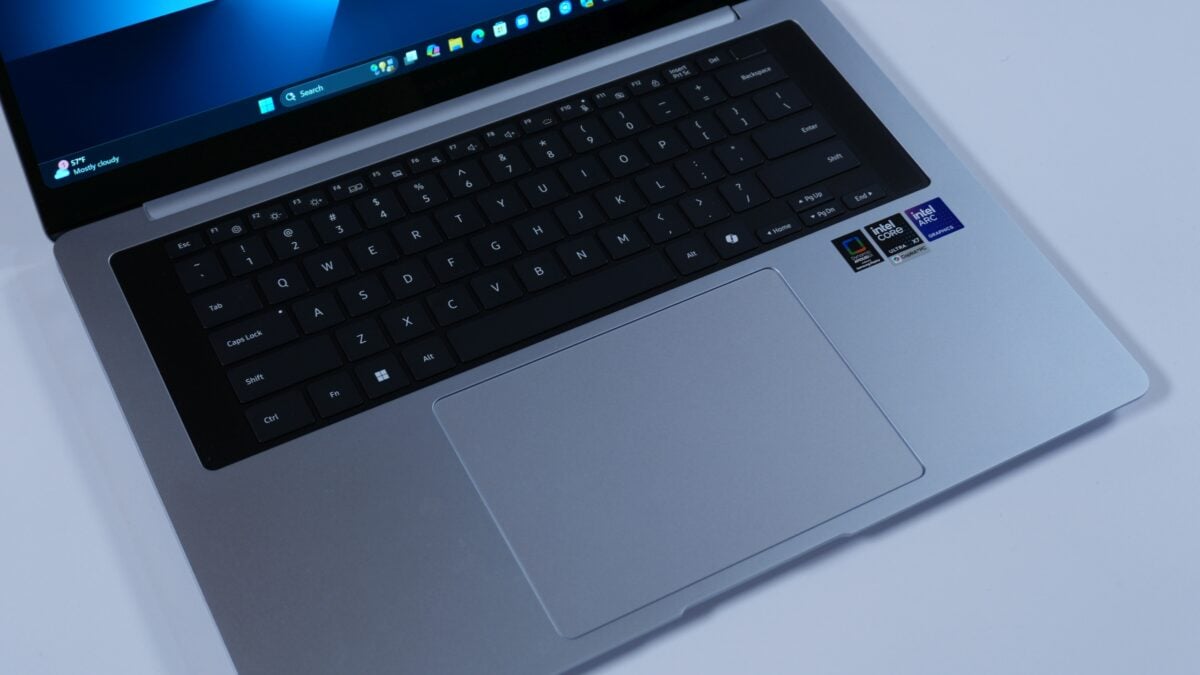
Not every Windows PC is an Apple device. Galaxy Connect, Samsung’s continuity tool for Galaxy phones and Windows laptops, recently extended its reach to cover third-party Windows machines, reducing the friction between Android and Windows without needing a regulatory mandate. When Apple’s clipboard sync eventually lands, Samsung Galaxy Book users in the EU would benefit directly from a feature that Apple had to be ordered to build.
What Apple has built, and built well, is Universal Clipboard for its own devices. The reason iPhone users in Europe are now waiting for a government mandate to get a version of it for Windows is not that the engineering is impossible. It’s that until the EU made it a legal requirement, building it was not in Apple’s interest. The Digital Markets Act is designed to change that calculation. Here, it has done exactly that: provisionally, slowly, and with Apple’s own caveat still attached.