
Samsung has quietly dismantled one of the biggest barriers in its ecosystem — and in doing so, it may have just reshaped how Android users interact with Windows PCs.
For years, Samsung’s vision of seamless device continuity came with a catch: you had to buy into its hardware ecosystem. Galaxy phones worked best with Galaxy Books, leaving millions of Windows users outside the experience. That restriction is now gone.
In a significant shift, Samsung has expanded its Galaxy Connect app for Windows 11 to support virtually all compatible Windows 11 PCs, no longer limiting the feature to its own laptops.
The move marks a rare dismantling of a tightly controlled ecosystem strategy, signaling Samsung’s intent to compete more directly in cross-platform integration — a space long dominated by Apple.
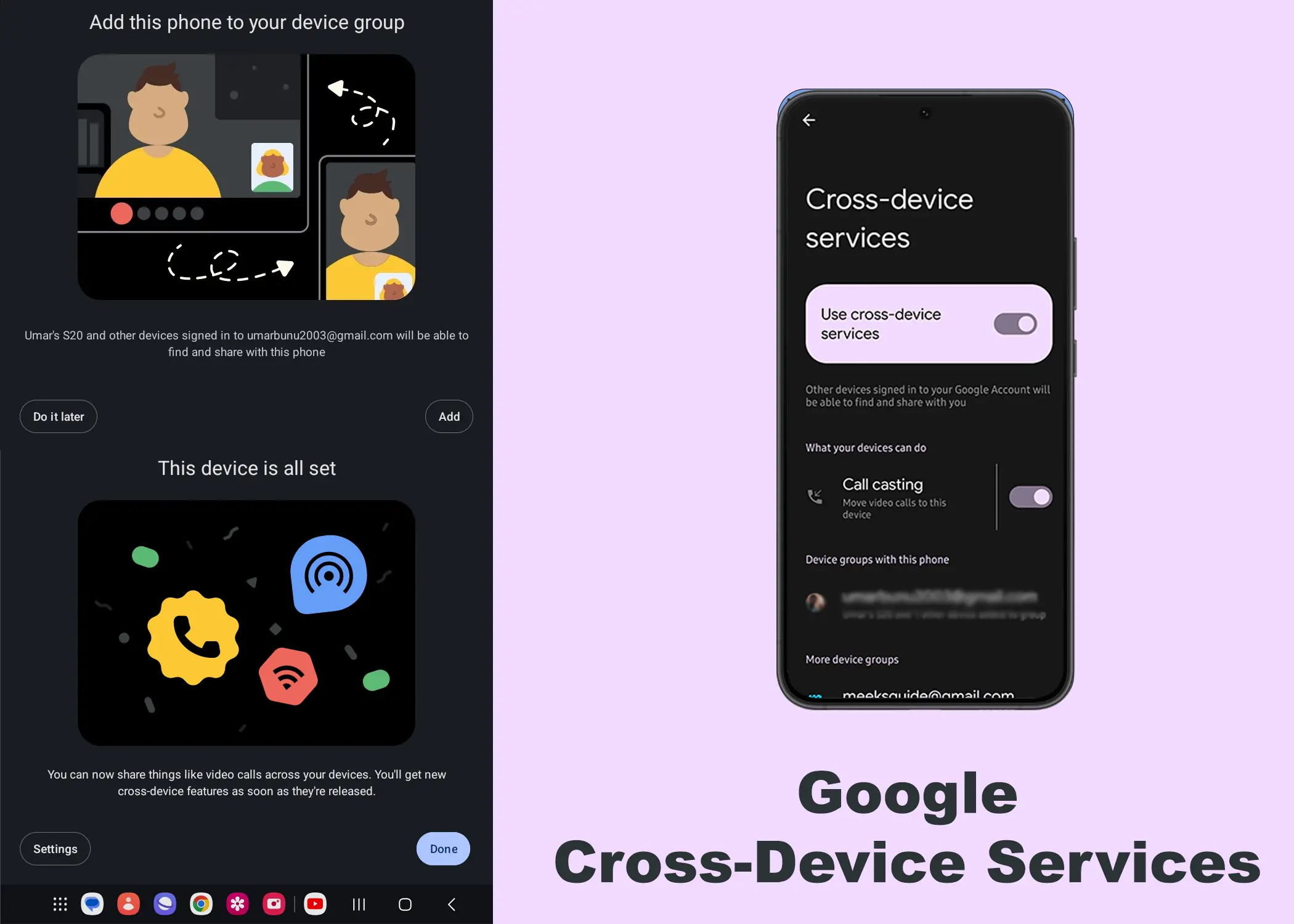
Galaxy Connect, Samsung’s continuity layer, acts as a bridge between smartphones, tablets, and PCs. Previously, users needed a Galaxy Book to unlock its full capabilities. Now, any non-Samsung Windows 11 PCs can access these features, provided the app is installed and linked to a Samsung account.
This expansion dramatically broadens access. Instead of being confined to premium Samsung hardware, the experience is now available across a vast global base of Windows machines.
At its core, Galaxy Connect enables a suite of cross-device features between Galaxy phones and PCs. Users can copy and paste content across screens, access phone storage directly from a PC, and even use a tablet as a secondary display.
It also introduces continuity features such as copy and paste across devices — allowing users to begin tasks on one device and continue them on another, echoing Apple’s Handoff feature but within the Android and Windows ecosystem.
What’s Included — and What’s Not
The update brings several high-demand features into reach for non-Samsung PC users:
- Cross-device clipboard syncing
- File access and transfer between phone and PC
- Multi-control using a single keyboard and mouse
- Second screen functionality via Galaxy tablets
- App continuity across devices
However, the rollout is not without limitations. The feature currently supports only Intel and AMD-based x64 Windows 11 PCs, excluding ARM-powered systems such as those running Snapdragon chips.
This technical restriction could prove significant as ARM-based PCs gain traction globally.
A Strategic Pivot
Samsung’s decision reflects a broader strategic pivot. Historically, tech giants have relied on ecosystem lock-in to drive hardware sales. Apple remains the most prominent example, with its tightly integrated iPhone, Mac, and iPad ecosystem.
Samsung, by contrast, appears to be loosening its grip — at least on the PC side.
By opening Galaxy Connect to all Windows 11 users, the company is prioritizing software reach over hardware exclusivity. This could expand its user base significantly, especially in markets where Windows PCs dominate but Samsung laptops have limited penetration.
The shift also aligns Samsung more closely with Microsoft’s own vision of cross-device integration. Microsoft’s Phone Link platform already allows users to sync messages, calls, and notifications between Android devices and PCs, but Galaxy Connect builds on that foundation with deeper ecosystem-level features.
In effect, Samsung is layering its own continuity experience on top of Windows — turning any compatible PC into a quasi-Galaxy device.
Competitive Implications
The implications are far-reaching.
For users, the update removes a long-standing friction point. Galaxy smartphone owners no longer need to invest in specific laptops to unlock seamless integration. For Samsung, it opens the door to millions of additional users without requiring hardware purchases.
For competitors, particularly Apple, the move raises the stakes. Apple’s ecosystem advantage has long been a key selling point, but Samsung’s expanded compatibility challenges that narrative — especially for users already embedded in the Windows ecosystem.
Industry analysts have long argued that cross-platform flexibility, rather than exclusivity, may define the next phase of device ecosystems. Samsung’s move appears to validate that thesis.
The Bigger Picture
This development comes amid broader shifts in cross-device integration trends shaping the global smartphone and PC ecosystem.
As devices become more interconnected, the value is increasingly defined not by individual hardware capabilities, but by how seamlessly they work together. Samsung’s decision suggests it is betting on ubiquity over control — a strategy that could reshape its competitive positioning in the years ahead.
For now, the message is clear: the Galaxy ecosystem is no longer confined to Galaxy hardware.
Related Posts