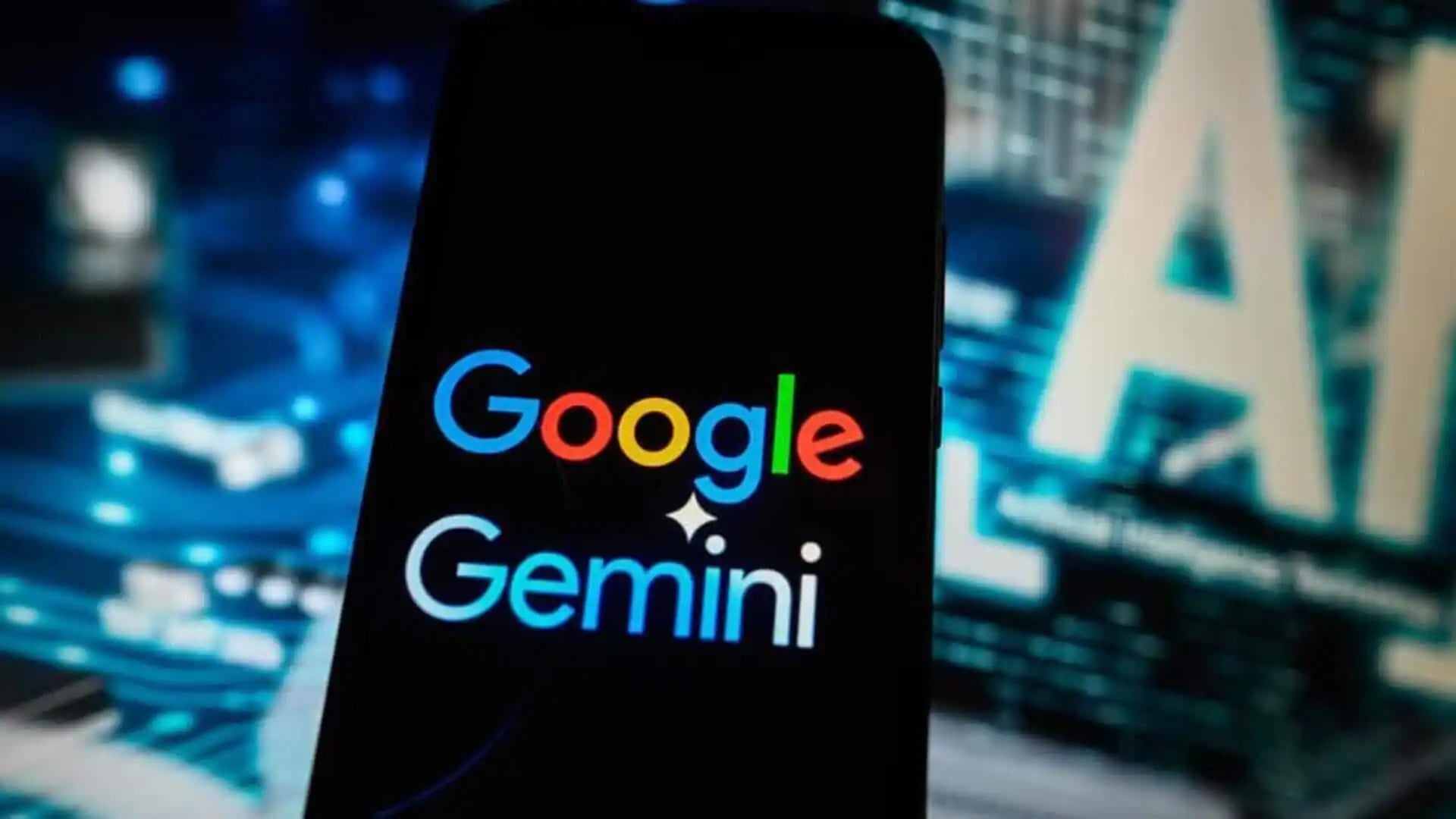

Google appears to be preparing one of its most aggressive transformations yet for Gemini, signaling a decisive shift from reactive chatbots to fully proactive digital assistants. A series of leaks and code discoveries across multiple reports suggest that the company is building an AI that doesn’t just respond but anticipates, suggests, and acts.
At the center of this evolution is a feature called Proactive Assistance, uncovered in the latest beta version of the Gemini app. According to recent findings, the feature will allow Gemini to access user-selected apps such as Gmail and Calendar, analyze notifications, and even interpret what’s currently on a user’s screen to generate real-time suggestions.
This marks a fundamental change in how users interact with artificial intelligence. Instead of waiting for commands, Gemini could soon behave more like a digital co-pilot surfacing relevant information before a question is even asked.
Google’s long-term ambition for Gemini has been clear: to create what it calls a “personal, proactive, and powerful assistant.” This shift toward more natural and proactive AI behavior mirrors earlier breakthroughs, including continued conversations without saying Hey Google, which already hinted at a more fluid, human-like interaction model.
This approach echoes earlier concepts such as Google Now, but with far deeper intelligence and integration. Unlike its predecessors, Gemini is powered by multimodal large language models capable of processing text, images, audio, and more simultaneously, allowing it to interpret context at a much higher level. This broader evolution aligns with advances seen in multimodal AI and productivity tools across Google’s ecosystem.
Alongside functional upgrades, Google is also redesigning Gemini’s visual experience. Reports indicate the introduction of animated gradient backgrounds that respond dynamically to user interactions and queries. While cosmetic on the surface, the change reflects a broader trend: making AI interfaces feel more fluid, conversational, and immersive.
This design shift is not trivial. As AI systems become more autonomous, user trust and comfort will depend heavily on how these systems present themselves. A more “alive” interface could help bridge that gap, making interactions feel less transactional and more collaborative.
Perhaps the most consequential change lies beneath the surface. Google is reportedly testing a credit-based system for Gemini usage, which could replace or complement existing subscription tiers.
Under this model, users would receive a set number of credits for advanced tasks such as image generation or complex queries with the option to purchase additional credits as needed. This approach aligns with a broader industry trend toward usage-based AI pricing, already seen in enterprise tools and developer platforms.
The introduction of credits also hints at something larger: Gemini is becoming more than a chatbot. It is evolving into a platform with measurable computational value, where different actions carry different costs.
In parallel, Google is preparing a dedicated space for image-related tools within Gemini. These tools are expected to expand the platform’s creative capabilities, allowing users to generate, edit, and manage images more seamlessly.
This aligns with Gemini’s broader multimodal architecture, which enables it to handle diverse data types in a single workflow. As these capabilities mature, the line between productivity software and AI assistant continues to blur.
Taken together, these updates point toward what many in the industry call agentic AI systems that can independently plan and execute actions. These systems are increasingly capable of handling multi-step tasks with minimal user input.
Google has already begun laying the groundwork for this shift through initiatives that integrate Gemini deeply into productivity tools to automate workflows and decision-making. Proactive Assistance appears to be the consumer-facing extension of that strategy.
With greater autonomy comes greater scrutiny. Features that analyze screen content and notifications will inevitably raise concerns about privacy and data security. The inclusion of user-controlled app permissions suggests an attempt to balance functionality with transparency.
The implications of these developments are profound. For over a decade, digital assistants from Siri to Google Assistant have largely operated on a simple model: wait for a command, then respond.
Gemini is poised to break that model entirely.
By combining proactive intelligence, dynamic interfaces, and a new economic framework, Google is positioning Gemini not just as an assistant, but as an active participant in users’ digital lives.
If these features roll out as expected, the era of passive AI may soon come to an end replaced by systems that think ahead, act independently, and redefine what it means to interact with technology.