
The reports began quietly, scattered across online forums and buried in support threads. But within days, a troubling pattern emerged. Apple’s newest iPhones were not waking up.
Owners of the latest iPhone 17 lineup, including the standard model, Pro variants, and the newly introduced iPhone Air, are reporting that their devices are iPhone 17 models failing to turn on after battery drain. What might once have been dismissed as isolated glitches has now grown into a widespread concern, with users across regions describing eerily similar experiences.
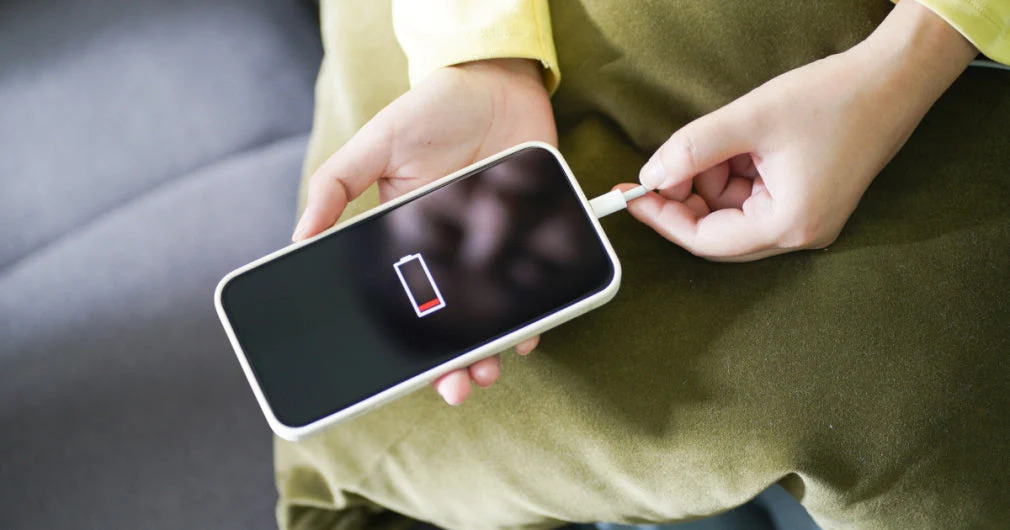
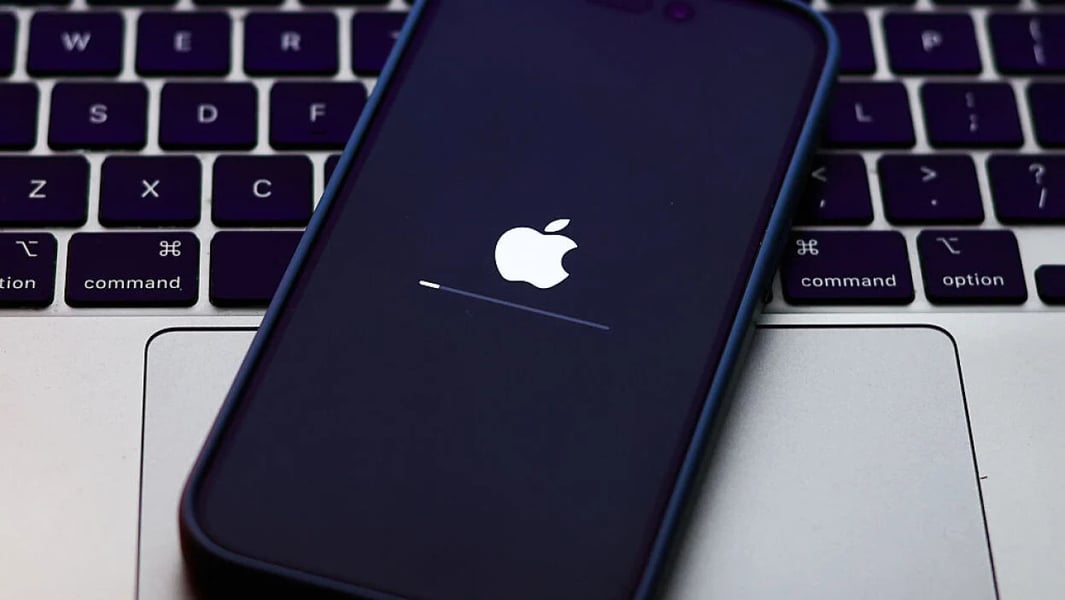
The issue appears to affect devices once they reach zero battery and shut down entirely. When plugged back in, many units remain unresponsive for extended periods, sometimes refusing to show even the Apple logo. This unexpected behavior comes at a time when the latest tech developments shaping the global smartphone market are increasingly focused on reliability and seamless user experience.
For a company long associated with consistency, the situation has triggered frustration and, in some cases, alarm.
The problem is not limited to a single model. Reports span across the iPhone 17, iPhone 17 Pro, iPhone 17 Pro Max, and iPhone Air, suggesting a broader systemic issue rather than a hardware defect tied to a specific variant. The concerns also intersect with Apple’s evolving ecosystem strategy, where user trust remains a critical pillar.
In some cases, users report waiting 10 to 15 minutes or longer before any sign of life appears. Others say their devices remain completely unresponsive, forcing them to seek repairs or replacements.
Apple has not yet issued an official explanation. But early theories are beginning to take shape.
One possibility is a minimum battery voltage requirement before reboot. If the battery is deeply discharged, the device may remain inactive until it reaches a certain threshold, a process that could take longer than expected under specific charging conditions.
There are also suggestions involving deep battery discharge and USB-C charging behavior, particularly as Apple continues transitioning its hardware ecosystem. These developments are unfolding alongside premium smartphone market trends in 2026, where performance expectations remain high.
Still, none of these explanations fully account for the scale or consistency of the issue.
In the absence of an official fix, users and technicians have turned to improvised solutions.
One workaround gaining traction involves a wireless charging workaround using MagSafe. Some reports indicate that placing the device on a wireless charging pad can trigger a response faster than traditional wired connections.
Others recommend following official Apple guidance on restarting an unresponsive iPhone, though success appears inconsistent. Even these methods, however, are far from guaranteed.
For many users, the experience remains unpredictable, a device that eventually wakes after minutes of silence, or one that refuses entirely until serviced.
The timing of the issue is notable. Apple’s latest iPhone cycle was expected to reinforce its dominance in the premium segment, especially as anticipation builds around Apple’s upcoming foldable iPhone strategy and other hardware innovations.
Instead, the company now faces a growing wave of scrutiny.
While no safety risks have been reported, the inability to power on a device even temporarily raises serious concerns about reliability, particularly for users who depend on their phones for communication, payments, and emergency access.
Industry observers note that even minor technical flaws can escalate rapidly, shaping perception in a competitive market already influenced by next-generation iPhone innovations and pricing shifts.
For now, Apple users are left navigating uncertainty, waiting for answers, updates, or acknowledgment. Until then, a simple expectation that a phone will turn back on has become, for some, an open question.