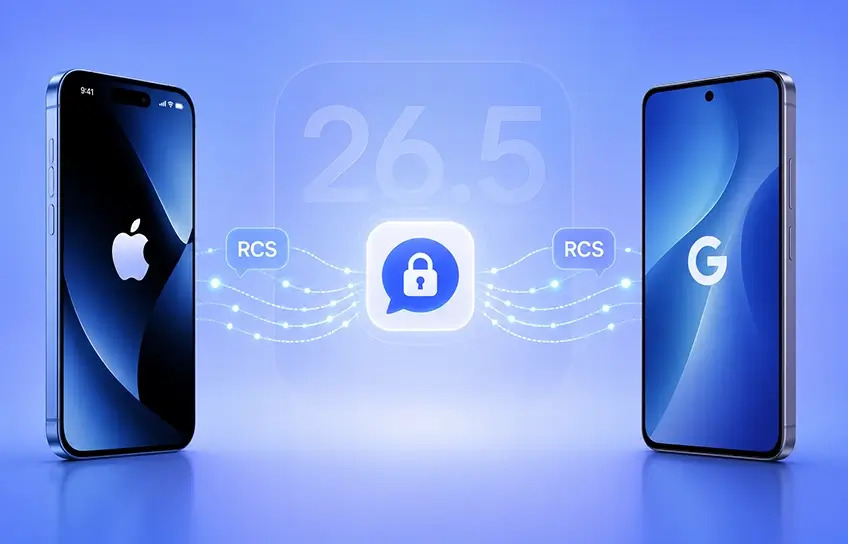

Apple and Google have officially begun rolling out encrypted RCS messaging between iPhone and Android users, delivering one of the biggest privacy upgrades in modern smartphone communication. The long-awaited feature arrives with iOS 26.5 and the latest version of Google Messages, finally securing cross-platform texting that for years relied on weaker SMS-era protections.
The rollout marks a major turning point in the long-running messaging divide between Apple and Android ecosystems. While iMessage conversations between Apple devices have always been encrypted, chats between iPhones and Android phones lacked the same level of protection even after Apple adopted Rich Communication Services (RCS) in 2024. Now, encrypted RCS messaging is beginning to bridge that gap.
Apple confirmed the rollout in an official newsroom announcement, revealing that end-to-end encrypted RCS messaging is launching in beta for users running iOS 26.5 on supported carriers. Google simultaneously enabled compatibility through the newest version of Google Messages on Android devices.
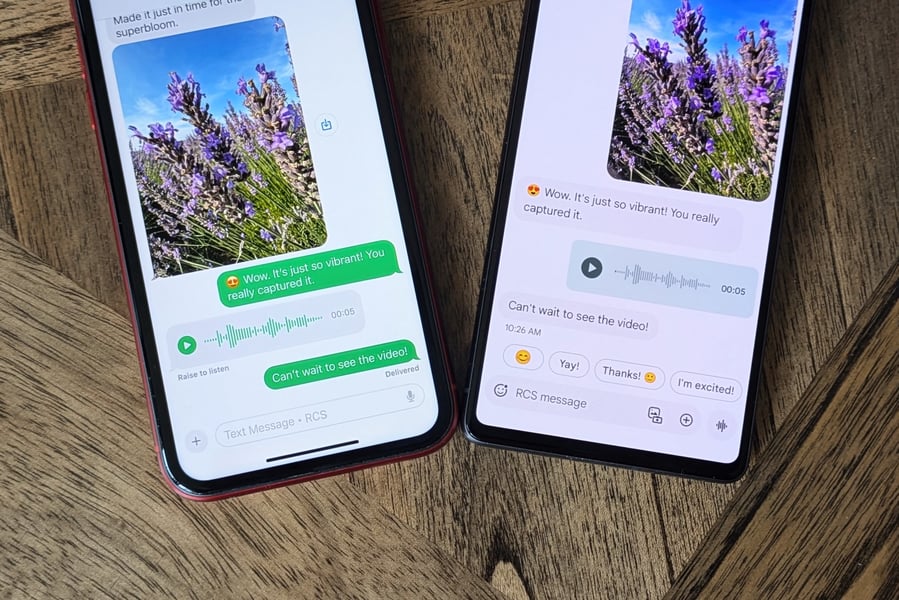
For users, the upgrade dramatically changes the experience of texting between iPhones and Android devices. Messages now support secure delivery alongside modern features already introduced with RCS, including typing indicators, read receipts, high-quality photo and video sharing, emoji reactions, and improved group chats.
Apple says encrypted RCS conversations will automatically activate over time for both new and existing chats. A lock icon inside the Messages app will indicate when a conversation is fully protected. Android users will see similar indicators inside Google Messages. Encryption is enabled by default, though carrier support remains a key requirement during the beta rollout phase.
The update also closes one of the most criticized weaknesses in Apple’s messaging ecosystem. For years, Google publicly pressured Apple over the infamous green bubble divide between iPhone and Android users. Apple eventually introduced RCS support with iOS 18, but encryption support remained absent until now.
Industry analysts view the change as more than just a technical upgrade. It reflects growing pressure on technology companies to prioritize user privacy and interoperability instead of maintaining isolated communication ecosystems. Secure messaging has increasingly become a baseline expectation among consumers, particularly as apps like WhatsApp and Signal normalized end-to-end encryption across platforms years ago.
Despite the shift, Apple is still preserving key distinctions between iMessage and Android chats. Messages sent to Android devices continue appearing as green bubbles rather than Apple’s signature blue iMessage bubbles. Apple also reiterated that iMessage remains the “best way” to communicate between Apple devices because of its deeper native integration and existing encryption infrastructure.
Carrier support will determine how quickly encrypted RCS expands globally. Several major US and Canadian carriers already support the feature, while broader international rollout is expected over the coming months. Apple says encryption will gradually activate as participating networks complete compatibility updates.
The timing of the rollout is significant as Apple prepares for its upcoming WWDC announcements and broader iOS roadmap. Although iOS 26.5 is largely viewed as a stability-focused update, encrypted RCS messaging has quickly emerged as its headline feature because of the enormous number of users affected worldwide. Cross-platform messaging between iPhone and Android users represents billions of daily conversations globally.
The technical foundation behind the rollout also highlights the industry’s wider transition away from SMS. Rich Communication Services has been positioned for years as the successor to legacy text messaging, offering internet-based functionality closer to modern chat applications. However, fragmentation between Apple, Google, and telecom providers slowed adoption and prevented universal encryption support until the GSMA finalized the latest security standards.
For consumers, the practical result is simple: texting between iPhone and Android devices is finally becoming safer. Users no longer need third-party apps just to achieve encrypted communication across platforms. While WhatsApp, Signal, and Telegram remain popular alternatives, Apple and Google’s cooperation now pushes native smartphone messaging significantly closer to modern privacy expectations.