
CUPERTINO, Calif. — The ink is barely dry on iOS 27 feature plans, and Apple’s engineers have already moved on. Bloomberg’s Mark Gurman reported Sunday that development on iOS 28 and macOS 28 is underway inside Apple, with individual teams building features, apps, and interface enhancements for software that won’t ship until the autumn of 2027. The internal shorthand employees use for the whole project: “Boppy.”
It’s a portmanteau. iOS 28 and iPadOS 28 carry the codename “Bell”; macOS 28 is known internally as “Poppy.” Combine them and you get Boppy — the same naming convention Apple used for the current cycle, where iOS 27 was “Rave,” macOS 27 was “Fizz,” and employees called the combined project “Rizz.” The codenames are not merely branding. They are signals about how early in the pipeline Apple locks the software’s identity, and this year that signal carries unusual weight.
The reason the “far more significant” line in Gurman’s Power On newsletter caught attention was not the words themselves but the timing. Apple is less than a week from WWDC 2026, where it will introduce iOS 27 — a release the company has spent the better part of two years engineering, centered on a rebuilt Siri and the long-delayed, on-screen personal context Apple Intelligence features. To already be signaling that the generation after this one will be more transformative is either remarkable confidence or an acknowledgment that the 2027 release carries a deadline that does not move: the iPhone’s 20th anniversary.
The original iPhone launched in June 2007. September 2027 is when an anniversary model — what supply chain sources and Apple observers have taken to calling the iPhone 20 — would ship. That’s the same window iOS 28 would reach consumers. Apple has used hardware anniversaries before as forcing functions for software ambition. The iPhone X, released a decade after the original, came with Face ID, an edge-to-edge display, and a fundamental redesign of the home-screen interaction model. What makes the 20th anniversary meaningful as a software peg is that Apple appears to be designing iOS 28 and its hardware counterpart in parallel from the earliest stages, according to reporting cited by Notebookcheck.
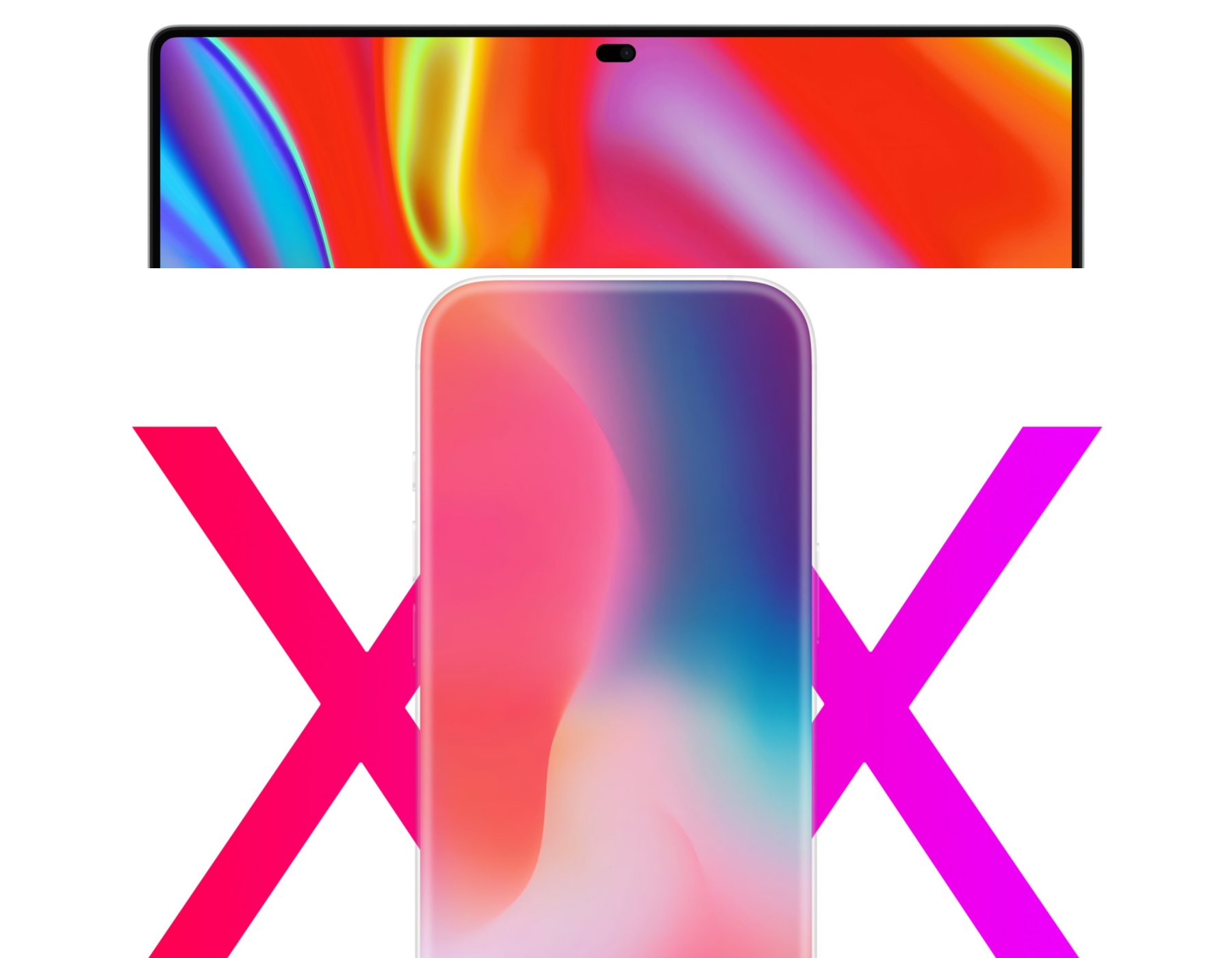
That parallel development matters more than it might appear. When software and hardware timelines diverge — when an OS update ships on hardware it was not designed around — the result tends to be capable but not coherent. The Boppy project’s early start suggests Apple is trying to avoid that: building the software’s architecture with the anniversary iPhone’s form factor, presumably its edge-to-edge and bezel-free design, in view from the beginning.
Gurman did not specify what “far more significant” means in practice for iOS 28. That gap is telling. At this stage in development — individual features being built, nothing yet integrated into a cohesive whole — Apple itself probably cannot fully articulate what the final product looks like. The early-stage work described in his newsletter involves teams working independently on features and architectural enhancements before the assembly phase begins. What the company does know is the target the software needs to hit: a 20th anniversary iPhone that can be meaningfully differentiated from everything that came before it.
EH reported last month on Apple’s plans for the iPhone 20, which has circulated in supply chain reports as potentially the most sweeping physical redesign since the iPhone X — a buttonless, bezel-free design rumored to carry the internal project name “Glasswing.” If those hardware ambitions hold, the software riding on top of them will need to be rethought in fundamental ways: navigation patterns built around the assumption of bezels do not translate cleanly to a device that has none.
There is a macOS dimension to this that the codename compression obscures. macOS 28, the “Poppy” half of Boppy, arrives in the same cycle as the MacBook Ultra — Apple’s rumored OLED touchscreen laptop that would be the first Mac since the abandoned Touch Bar era to seriously reconsider how touch input works on macOS. If that machine ships in 2027, macOS 28 becomes the first version of the desktop operating system designed to function coherently on a touchscreen from the ground up, rather than as an afterthought retrofit.
None of this is announced. Apple does not comment on unreleased products, and the company’s past performance on major redesign cycles — particularly where software and hardware ambition collide — includes notable cases where the vision outpaced the execution. iOS 27 itself has been a multi-year effort to deliver Siri features that were demonstrated publicly at WWDC 2024 and still haven’t shipped. The gap between what Apple’s engineering teams build in early development and what reaches consumers is not small, and with Boppy that gap currently extends to roughly eighteen months.
What the Boppy disclosure does confirm, at minimum, is that the overlap between Apple’s software and hardware cycles has lengthened. The company is not waiting for iOS 27 to stabilize before committing resources to its successor. iOS 27 beta is set to land Monday for developers after WWDC — with some of the most significant Siri features still limited to newer iPhone models. Whether iOS 28 will close that hardware-based Siri split, or deepen it further around a new anniversary device, is one of the questions this development cycle will eventually have to answer.