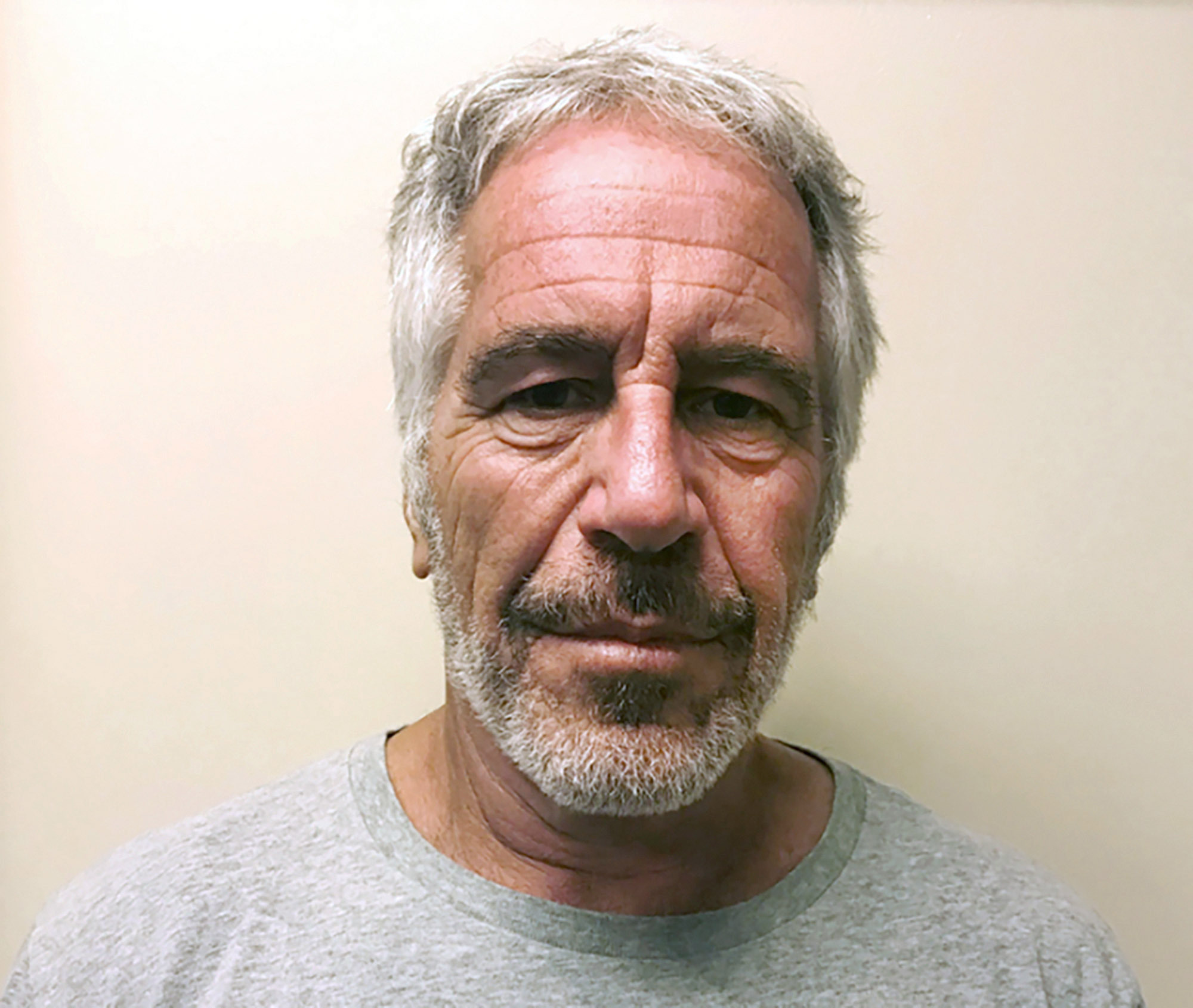

NEW YORK — The email arrived while Jeffrey Epstein was still under house arrest. A friend of the convicted sex offender was proposing a gift to mark his release from jail: a model, 5-foot-11, described in terms that left little ambiguity about the sender’s intentions. “I was blown away the first time I met her in person, wanted to tear her clothes off immediately,” the friend wrote, according to a Washington Post investigation published Monday.
The investigation, based on documents released by the Justice Department as part of the ongoing Epstein files disclosure, identifies a modeling agent who sent women from his client roster to meet Epstein at a moment when Epstein’s legal status as a registered sex offender was a matter of public record. The agent is now attempting to explain why.
The revelation arrives months into a broader reckoning over the modeling industry’s entanglement with Epstein — one that has already implicated Faith Kates, the co-founder of Next Management, whose agency represented clients including Alexa Chung, Milla Jovovich and Billie Eilish. A Guardian investigation earlier this year found that Kates, who stepped down from Next in November 2025 weeks before the first major document release, had maintained a nearly four-decade friendship with Epstein and introduced him to women on the agency’s books. The Justice Department files contain more than 5,000 references to her name.
What distinguishes the conduct described in Monday’s Washington Post report is its timing. The emails it details were exchanged after 2009 — after Epstein had already pleaded guilty to state charges of soliciting a child for prostitution in Florida, after he had served thirteen months and after his registration as a sex offender was public. The agent who sent models to him did so with that record intact and visible.
That sequencing matters because it forecloses the most obvious defense: that the people around Epstein in the 1990s and early 2000s couldn’t have known what he was. By 2009, they knew. The question the Epstein files are forcing onto the modeling industry — one that neither the Justice Department’s document releases nor the congressional hearings around them have yet resolved — is whether any institutional mechanism existed to prevent an agent from treating access to a convicted sex offender as a professional courtesy.
The answer, by all available evidence, is that no such mechanism existed.
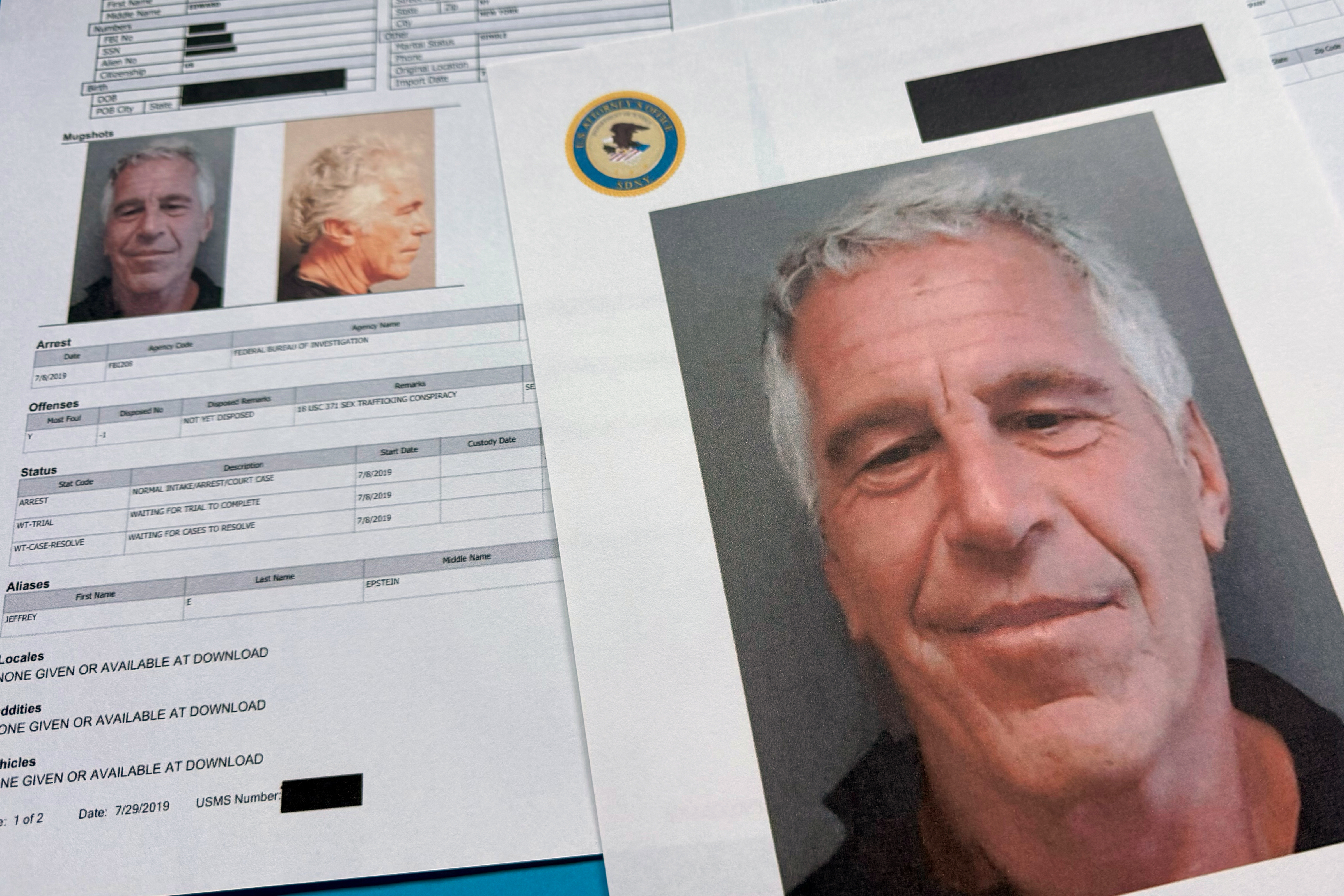
Modeling agencies in the United States operate without a unified federal licensing framework. Unlike talent agencies in California, which are regulated under the California Talent Agencies Act and subject to oversight from the state labor commissioner, modeling agencies in New York — the industry’s center — have faced comparatively limited formal accountability. The Federal Trade Commission has jurisdiction over deceptive trade practices, but the structural relationship between agents, bookers and models has historically been governed less by law than by informal power dynamics that systematically disadvantaged the women on agencies’ books.
Jean-Luc Brunel, the French modeling agent who co-founded Next Management alongside Kates and who was later charged in France with rape and sexual harassment, is the figure whose role in Epstein’s network was most thoroughly documented before the current files were released. Brunel held a stake in Next Management through a company called Next Management Corp, and federal authorities identified him as an intermediary who allegedly recruited young women through modeling fronts. He was found dead in a Paris prison cell in February 2022, an apparent suicide, while awaiting trial.
The pattern that emerges from Monday’s Washington Post investigation and the broader Epstein files is of a modeling industry that was not merely adjacent to Epstein’s operation but, in certain documented cases, functionally integrated with it. Epstein is known to have visited Next Management’s New York offices regularly during the 2000s. Emails in the Justice Department files show that Kates was still in friendly contact with him weeks before his final arrest in July 2019, a decade after his first conviction.
Model Stacey Williams described in a published account how she was introduced to Epstein at an agency dinner in 1992 at Kates’s direction, then facilitated for a second meeting at a Trump Plaza event. The encounter that followed, Williams said, involved non-consensual conduct. Kates’s attorney has maintained that she never endangered models and that Epstein manipulated those around him.
The Justice Department finalized a release of more than three million Epstein-related documents in January 2026, but the Trump administration has declined to make available millions of additional files in its possession, and large portions of the released material remain redacted. Critics — including survivor advocates and Democratic lawmakers — have argued that the selective nature of the disclosures has prevented the most significant questions from being answered: not only who knew what, but what decisions were made at the level of federal law enforcement that allowed Epstein to continue operating after his 2009 conviction.
What the Washington Post’s reporting adds to that incomplete picture is granular: not a theoretical account of industry complicity but a specific documented instance of an agent, whose identity the investigation makes clear, deciding that a man fresh from incarceration for a sex offense against a child was an appropriate destination for the women whose careers he managed.
The agent is now trying to explain why. Whether that explanation satisfies the investigators, the survivors, or the institutions still processing the scale of what the files are describing is a question the documents alone cannot answer.