
REDMOND – When a user calling themselves 2025Fishy posted to the Windows 11 subreddit on June 14, the request seemed simple enough: Microsoft should let people set up a new computer with a local account again, the way it used to work. The thread attracted hundreds of replies within hours. By the following morning it had spread to forums, tech outlets, and, quietly, to the inboxes of engineers inside Microsoft who already know the request is legitimate.
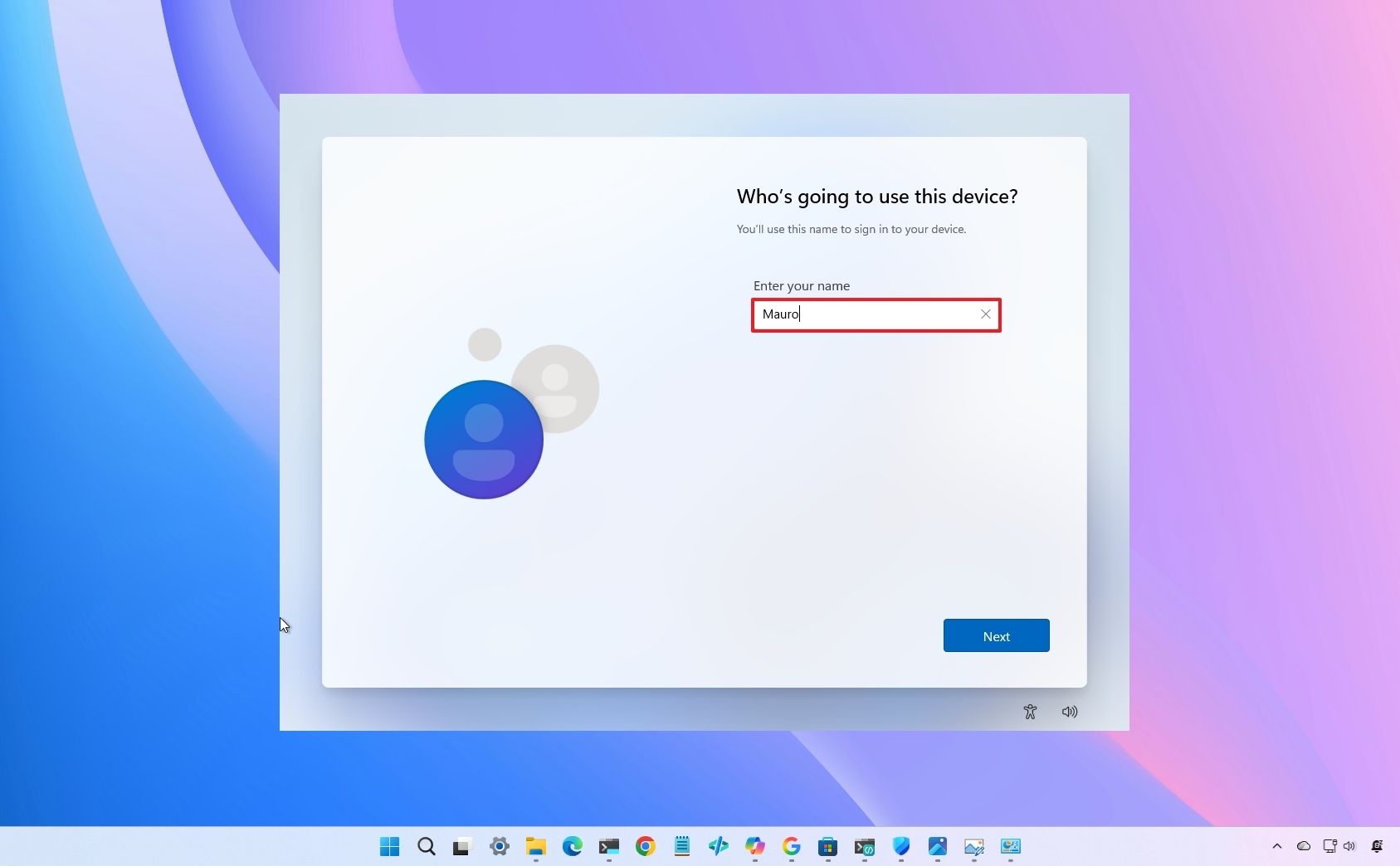
The account requirement that 2025Fishy was pushing back against isn’t new. Microsoft began forcing Windows 11 Home users to sign in with a Microsoft account during the Out-of-Box Experience when the operating system launched in 2021. It extended that mandate to Windows 11 Pro in early 2022. Since then, according to Windows Central, the company has progressively closed the workarounds that technically savvy users relied on to bypass the sign-in screen — including command-line tricks like the OOBE\BYPASSNRO command, which began disappearing from newer Insider builds in late 2025.
What made this week’s thread different wasn’t the complaint. It was the clarity. The original poster didn’t want workarounds. Multiple commenters who offered registry edits and Rufus USB tools were politely waved off. “I don’t need tips,” 2025Fishy replied. “I just want Microsoft to change it.” That distinction — between tolerating a requirement through technical cleverness and accepting it as legitimate — is the gap Microsoft has never found a satisfying way to close.
The company’s official rationale centers on security. Linking a Windows installation to a Microsoft account simplifies the storage of BitLocker encryption recovery keys. BitLocker, which encrypts data at rest on a device, requires a recovery key to unlock a drive after hardware changes, firmware updates, or certain system failures. Storing that key on a Microsoft account, the company argues, protects users from permanently losing access to their files if something goes wrong with the machine.
The security argument isn’t wrong. It is, however, incomplete in ways that matter enormously to the people living through the consequences. A significant number of Windows 11 users created a Microsoft account to complete setup, switched immediately to a local PIN, and never thought about that account again — until a BitLocker recovery screen appeared months or years later and asked for a key they didn’t know existed. What Microsoft has never adequately explained is why this entire chain of decisions was made for users without their informed knowledge.
That’s the disclosure failure the Reddit backlash is actually about. Not the inconvenience of signing in. Not the preference for offline computing. The fact that Microsoft quietly enrolled millions of ordinary consumers into an encryption-and-cloud-recovery arrangement without ever presenting it as a choice that deserved explanation. The setup experience moved through a Microsoft account creation screen. It did not say: “By doing this, your drive will be encrypted and the only copy of your recovery key will live on our servers.”
A commenter identified as Drakkaar put the problem precisely in the Reddit thread: technicians know how to navigate the recovery process; the people who encounter that BitLocker screen at the worst possible moment are not technicians. They are students, retirees, small-business owners, and parents who bought a computer, followed the setup prompts, and assumed Microsoft was handling the details responsibly.
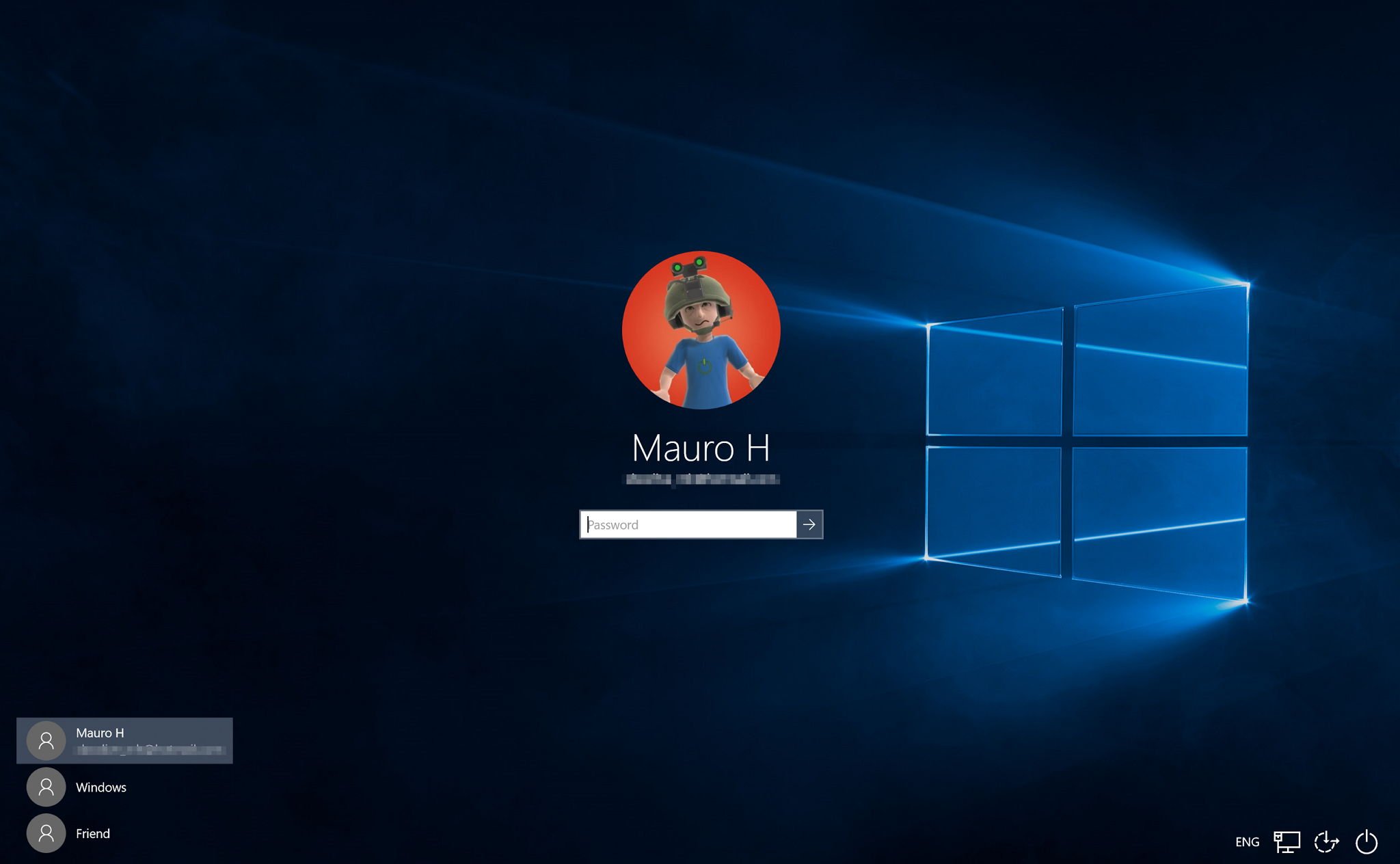
The internal dimension of this story is the part that other coverage has most consistently underplayed. It is now documented, through reporting by Windows Central and others, that the mandatory account policy is not a unanimous position within Microsoft. Scott Hanselman, the company’s Vice President of Developer Community, publicly acknowledged in March 2026 that he personally opposes the requirement and described it as something he was working to change. What has never been disclosed publicly is why the change hasn’t happened: which divisions within Microsoft are resisting it, what business interests the requirement serves beyond security, and what the internal decision-making process actually looks like.
The answers to those questions matter because the stated reason — security through BitLocker key backup — doesn’t fully account for the intensity of corporate enforcement. Microsoft has, as gHacks noted, not merely left the requirement in place; it has actively invested engineering effort into closing bypass methods as they emerged. That’s not the behavior of a company that sees the sign-in mandate purely as a user-safety measure. It is the behavior of a company protecting something that the safety rationale alone does not explain.
Microsoft’s Windows K2 initiative, the broad improvement campaign that Hanselman is part of, has delivered real changes over the past several months. Updates are easier to pause. The Start Menu is more customizable. The system reportedly runs faster on the same hardware. These are meaningful. They also haven’t touched the account requirement, which remains the single feature that comes up most reliably every time users are asked what Microsoft should fix.
The workaround ecosystem that has grown up around the policy tells its own story. Rufus, an open-source tool originally built to write bootable USB drives, now includes a dedicated option to remove the online account requirement from a Windows 11 installation. The OOBE\BYPASSNRO command was so widely used that Microsoft’s decision to remove it from newer Insider builds generated more user anger than most feature removals do. Registry edits, developer console commands, and domain-join workarounds circulate on tech forums the way that instructions for bypassing a broken door lock circulate in an apartment building where the landlord won’t fix the door. The workarounds exist not because users want to be difficult but because the official path fails to accommodate legitimate use cases.
The population of people with those legitimate cases is broader than Microsoft’s public framing acknowledges. IT administrators setting up devices in low-connectivity environments. People who live in regions where reliable internet access cannot be assumed. Users who have security or professional reasons for not linking a personal account to a work machine. Children and elderly relatives whose family members set up computers for them and don’t want to hand over account credentials. None of these use cases are exotic, and none of them are well served by the current setup experience.
What the Reddit thread this week demonstrated is that the fatigue runs deeper than any of these specific objections. The commenter Affectionate_Creme48, who received hundreds of upvotes, framed it in terms of precedent: there should be a choice in the setup experience, the way there has been since Windows existed. That’s not a power-user demand. It’s a statement about what a consumer operating system is supposed to do, and whether the company that makes it respects the autonomy of the people using it.
Microsoft has not announced when or whether it will restore a local account path during Windows 11 setup. Hanselman’s statement that he is “working on it” remains the most substantive signal the company has offered, and it came from a social media exchange in March, not from a product roadmap or an official policy statement. Microsoft’s Insider Program reboot in April, framed around restoring user trust, made no mention of the account requirement either. The gap between what the company says it is doing to listen and what it is actually changing remains the most important unanswered question in this entire debate.
What’s not in dispute is that the issue has survived long enough to outlast multiple rounds of user-feedback campaigns, multiple Insider Program overhauls, and multiple executive acknowledgments that the status quo is a problem. Microsoft’s Windows Update redesign, which handed users more control over restarts and scheduling, showed the company is capable of reversing unpopular decisions when it chooses to. The account requirement is a different kind of decision, one that apparently involves stakeholders whose interests haven’t yet been disclosed, and whose willingness to accept a change hasn’t been publicly tested.
For now, the conversation keeps coming back because the underlying disagreement hasn’t been resolved. Microsoft believes it is acting in users’ security interests. Users believe they should be told what those security decisions entail, and allowed to make them for themselves. Both of those things can be true simultaneously. The question is which one the company decides to prioritize when it finally runs out of ways to defer the answer.