
A major rethink of Windows update behavior
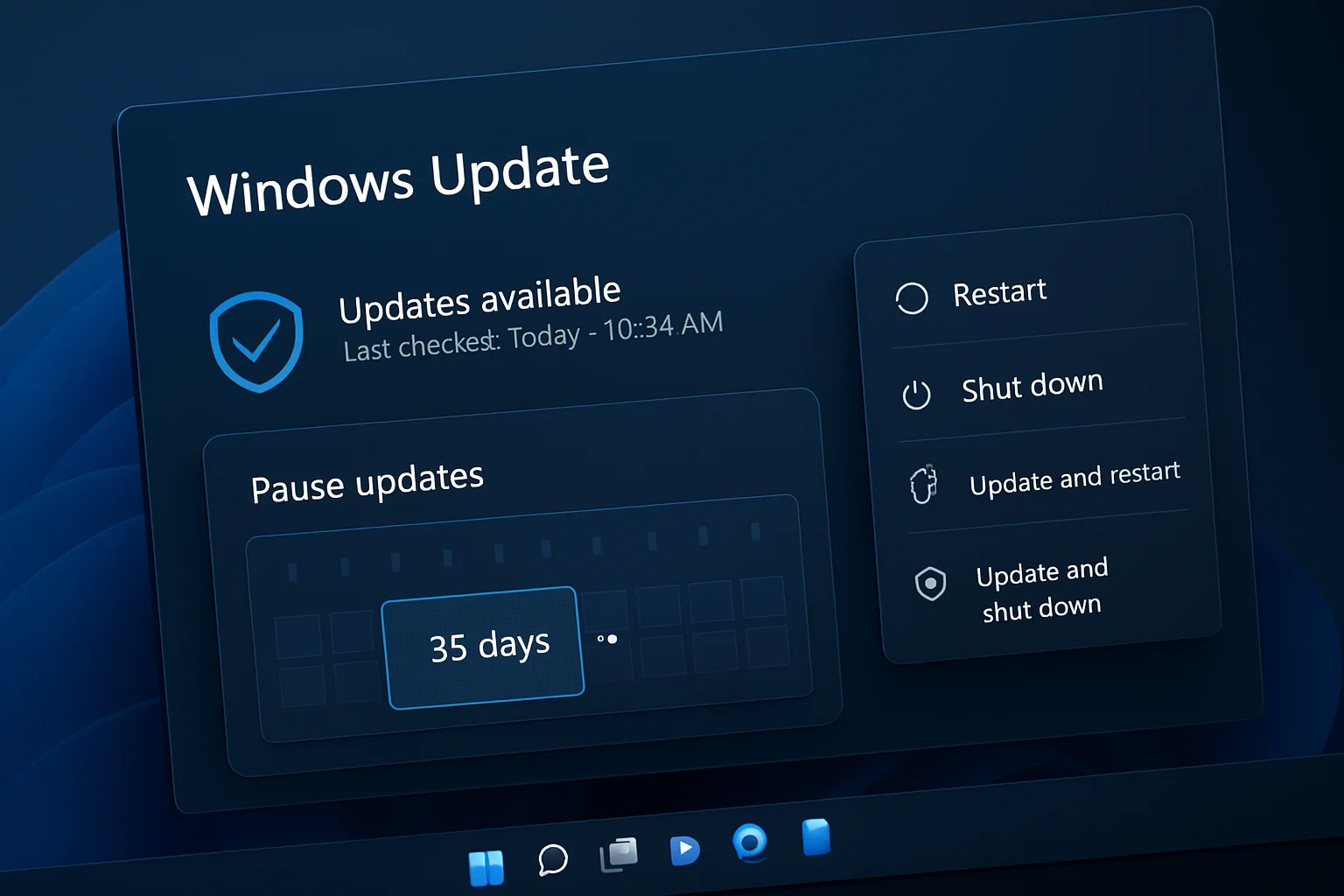
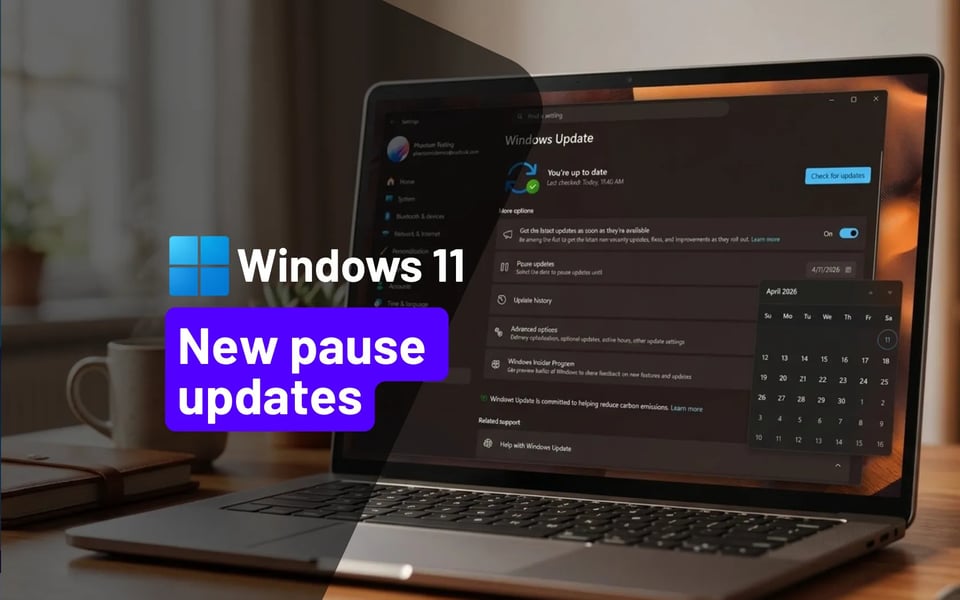
At the core of this shift is a redesigned update system that allows users to pause updates for up to 35 days at a time, with the ability to repeatedly extend that pause. Unlike earlier Windows versions, which imposed strict limits, the new approach effectively allows long-term deferral based on user preference.
Microsoft’s official documentation confirms that the rollout is part of an ongoing redesign of the Windows Update experience, currently being tested across Insider builds before broader deployment.
Microsoft Windows Insider update documentation outlines the company’s intent to reduce disruption while maintaining security patch delivery.
This shift aligns with broader changes described as the Windows 11 update overhaul, where update scheduling is becoming more flexible and less disruptive to users.
Windows Update redesign and control system expands user autonomy
One of the most significant improvements involves how updates interact with system restarts. Users will now be able to shut down or restart their devices without being forced into immediate update installations, a longstanding frustration for professionals and casual users alike.
This change is part of a broader Windows Update redesign and control system that separates power actions from update execution, reducing the likelihood of unexpected interruptions during work or gaming sessions.
According to reporting from Windows-focused analysts, the redesigned system also introduces a calendar-based interface that allows users to select precise pause periods depending on workload or travel schedules.
Windows Central coverage of Windows 11 update changes highlights how Microsoft is consolidating updates to reduce repeated restarts and system disruptions.
Forced restart Windows updates no longer unavoidable
For years, forced restarts have been one of the most criticized aspects of Windows. Users often experienced sudden interruptions when updates triggered restarts without sufficient control over timing.
Microsoft is now addressing this directly by decoupling restart behavior from update installation. This means users can choose when to restart without automatically triggering pending updates.
This represents a major shift in forced restart Windows updates, especially for users who depend on uninterrupted system uptime.
Windows Latest analysis of Insider builds notes that the redesign is part of Microsoft’s broader effort to reduce “update fatigue” across its global user base.
Industry reaction to Microsoft’s update overhaul
The reaction from the tech industry has been cautiously positive. Analysts describe the update as one of the most significant user-experience shifts in Windows in over a decade, particularly because it rebalances control between automation and user choice.
However, some experts warn that extended update deferrals could increase exposure to security vulnerabilities if users delay critical patches for too long.
The Verge report on Windows update flexibility emphasizes the tension between user control and cybersecurity risks in the new system.
Security researchers note that while flexibility is welcome, update discipline remains essential in preventing malware, ransomware, and zero-day exploitation.
Internal restructuring across Windows update systems
Beyond user-facing changes, Microsoft is also restructuring how updates are packaged and delivered. Driver updates, system patches, and firmware upgrades are increasingly being consolidated into fewer, more coordinated installation cycles.
This reduces the number of restarts required and aims to make system maintenance less fragmented.
In earlier coverage, forced restart changes in Windows update systems were identified as part of a broader push toward reducing user disruption across Windows devices.
Similarly, Microsoft Windows 11 update policy shift highlights how the company has been gradually transitioning toward a more user-centric update model.
A broader strategy behind the update changes
Microsoft’s redesign reflects years of user feedback describing Windows updates as unpredictable and disruptive. Internal feedback loops reportedly included thousands of user submissions criticizing forced updates and restart timing.
The company appears to be responding to what it calls “update fatigue,” a growing concern among both enterprise administrators and individual users.
According to additional technical reporting, Microsoft is also simplifying setup experiences on new devices by allowing users to defer updates during initial configuration, reducing first boot delays.
TechSpot analysis of Windows Insider changes notes that this adjustment is part of a broader effort to streamline Windows deployment and reduce friction during installation.
Security trade-offs remain unresolved
Despite the increased flexibility, security concerns remain central to the debate. Microsoft continues to deliver critical security patches through Windows Update, even when users choose extended pause periods.
This creates a delicate balance between autonomy and protection, especially as cyber threats become more sophisticated and frequent.
Experts emphasize that while users gain control, delaying updates indefinitely could expose systems to known vulnerabilities if not managed carefully.
A turning point for Windows control
The Windows 11 update overhaul marks one of the most significant shifts in Microsoft’s operating philosophy in years. By introducing longer pause cycles, flexible restarts, and reduced forced interruptions, the company is moving toward a more user-directed experience.
Whether this balance between control and security will succeed at scale remains to be seen, but the direction is clear: Windows is no longer just enforcing updates it is negotiating them.