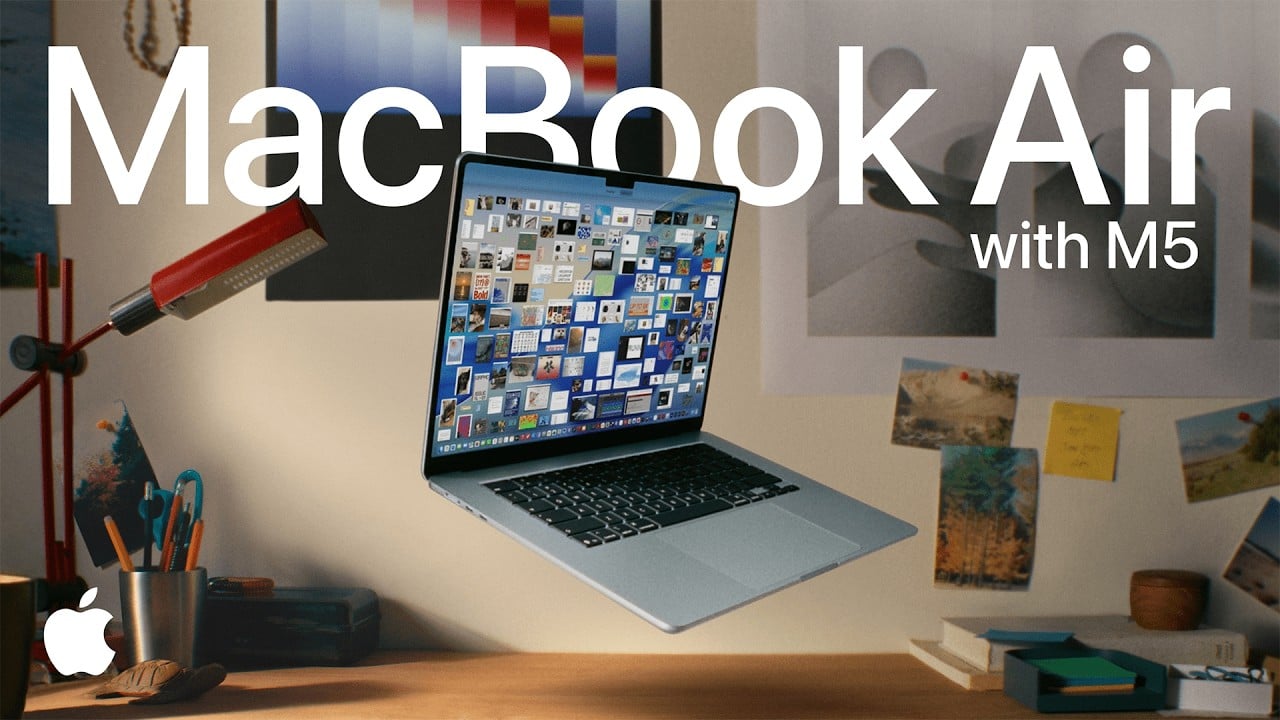

CUPERTINO — The price of a MacBook Air went up by $200 on Thursday. Not because Apple decided to grow its margins, and not because the company added a new feature. The price went up because the artificial intelligence industry needed the memory chips inside it more than Apple’s customers did, and Apple has run out of ways to absorb the difference.
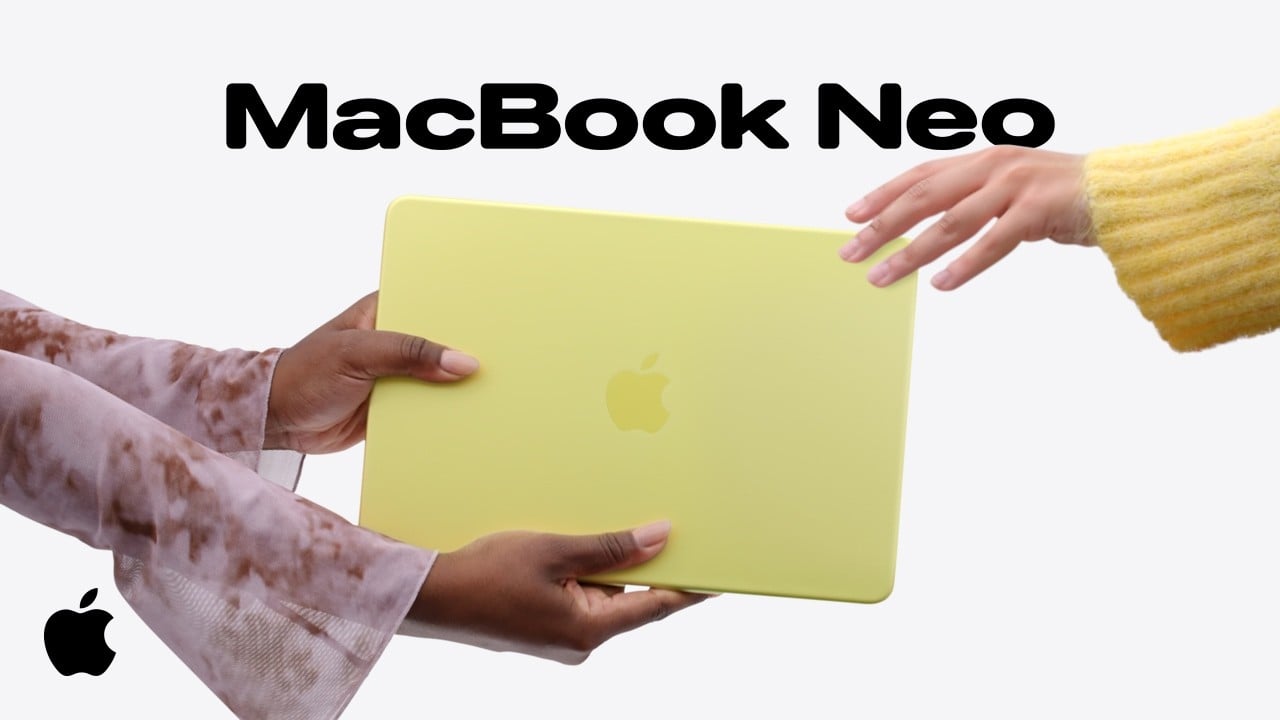
The company announced price increases across its entire Mac and iPad lineup, effective immediately, citing a global shortage of memory and storage chips driven by AI data center demand. The entry-level MacBook Neo, aimed at students and first-time laptop buyers, now starts at $699, up from $599. The MacBook Air climbs to $1,299 from $1,099. The MacBook Pro rises to $1,999 from $1,699. The Mac Studio, now $2,499, absorbed a $500 increase, among the steepest dollar adjustments Apple has imposed on any product in a single revision cycle. iPad prices followed the same logic: the base model goes from $349 to $449, the iPad Air from $599 to $749, the iPad Pro from $999 to $1,199, and the iPad Mini up $100 to $599. The Apple TV, HomePod, and Apple Vision Pro all rose. The iPhone, Apple Watch, and AirPods were not affected.
Apple CEO Tim Cook told the Wall Street Journal the situation was a “hundred-year flood,” a phrase that signals Apple does not see this as a temporary misalignment in supply and demand. The company’s formal statement stripped out the idiom but made the same point in plainer terms: “The rapid expansion of AI data centers has created an extraordinary surge in demand for memory and storage. We have never seen a component price increase this much, this quickly.” Cook had told the Journal in the days before the announcement that the company had been working to protect customers from the increases, but added: “The situation has become unsustainable.”
The crisis has a name in the industry: RAMageddon. DRAM prices surged 98 percent in the first quarter of 2026, according to research firm TrendForce, with another 58 to 63 percent increase projected for the current quarter. Micron, SK Hynix, and Samsung, which collectively control around 95 percent of global DRAM production, have been systematically redirecting factory capacity toward high-bandwidth memory for AI data center applications. Nvidia has signed long-term supply agreements with those manufacturers, reserving future capacity ahead of consumer electronics in the procurement queue. Laptops and tablets sit at the back of that line, competing for what remains at whatever price the shortage dictates.
As TechCrunch reported on Thursday, Apple was among the last major consumer hardware manufacturers to formally pass memory costs to buyers. The company’s willingness to absorb the difference for longer than its competitors had a real financial cost before it ended. The iPhone’s absence from Thursday’s increases is notable: Cook said nothing publicly about whether that exemption will hold if the shortage deepens or extends into 2027. That silence is the question the company has not yet answered.
Markets answered Thursday’s announcement with a verdict. Apple shares fell 5.3 percent by the close, erasing roughly $275 billion in market capitalization and delivering the stock’s worst single-day performance since April 2025. What investors appeared to price, beyond the immediate demand impact of any price increase, is what Apple was conceding: that the company cannot fully insulate its hardware business from what AI infrastructure is doing to the component supply chain. Apple Silicon was designed as a supply chain advantage. That remains true for processors. It does not extend to memory.
Apple is not the only manufacturer making this adjustment. The same memory cost pressures have driven three consecutive Xbox price hikes at Microsoft in fourteen months, each citing the same component dynamics now arriving in Apple’s Mac and iPad pricing. Dell, HP, Lenovo, and Asus have each flagged comparable price increases of 15 to 20 percent across their PC and laptop ranges, with analysts noting those adjustments as the new pricing baseline. As CBS News reported, Apple and Microsoft together accounted for the two largest single-day price events in consumer electronics this week, and neither announcement was accompanied by a new product.
IDC now projects the global PC market will contract by 11.3 percent in 2026, a decline driven partly by the price sensitivity the current increases will accelerate. The global smartphone market is expected to fall nearly 14 percent over the same period. CNBC noted the announcement arrived as the broader technology sector was already under pressure, with semiconductor supply chain concerns displacing software names as the market’s dominant preoccupation. Whether the demand destruction those projections imply eventually frees up memory supply, or whether AI applications consume the capacity that consumer electronics gives back, is a question the industry cannot yet answer. New fabrication capacity from SK Hynix and Micron is scheduled to come online in 2027 and 2028, but semiconductor construction timelines have a history of slipping.
What Thursday’s announcement does not include is a timeline for when consumer prices might come back down. Cook’s “hundred-year flood” framing implies an exceptional event outside Apple’s normal operating parameters. Whether that exception lasts one more quarter or runs through the end of the decade is the piece of information the company has chosen not to estimate publicly. For everyone who bought a MacBook Air last week at $1,099, that uncertainty is the least satisfying part of a price increase that Apple never promised was temporary.