
SAN FRANCISCO – If you budgeted $1,099 for a MacBook Air this summer, the laptop you planned to buy now costs $1,299. Apple raised the starting price of its most popular notebook by $200 on Thursday, and did the same across its full lineup of Mac computers, iPads, HomePods, Apple TV streaming boxes, and Vision Pro headsets. Hours later, Microsoft announced Xbox Series X and S console prices would increase by $100 to $150 starting August 1. Two of the world’s most recognizable consumer electronics brands raised prices on the same day for the same reason: artificial intelligence is consuming the global supply of memory chips, and ordinary consumers are now receiving the invoice.
The Apple price moves are sweeping. The MacBook Neo, the entry-level notebook introduced in March, rises from $599 to $699. The 15-inch MacBook Air now starts at $1,499, up from $1,299. The 14-inch MacBook Pro moves from $1,699 to $1,999, while the 16-inch model climbs to $2,999 from $2,499, a $500 increase. The 11-inch iPad Air jumps $150 to $749, the 13-inch model goes to $949, and the 11-inch iPad Pro moves from $999 to $1,199. An Apple TV streaming box now costs $199, up $70. The iPhone, Apple Watch, and AirPods were not affected Thursday, though analysts widely expect those products to carry higher prices when the iPhone 18 launches in September.
“The rapid expansion of AI data centers has created an extraordinary surge in demand for memory and storage,” an Apple spokesperson said in a statement. “We have never seen a component price increase this much, this quickly.” Tim Cook told The Wall Street Journal that memory costs had become unsustainable. Apple has spent months attempting to absorb rising component prices rather than pass them to customers; Thursday’s announcement signals the limit of that strategy.
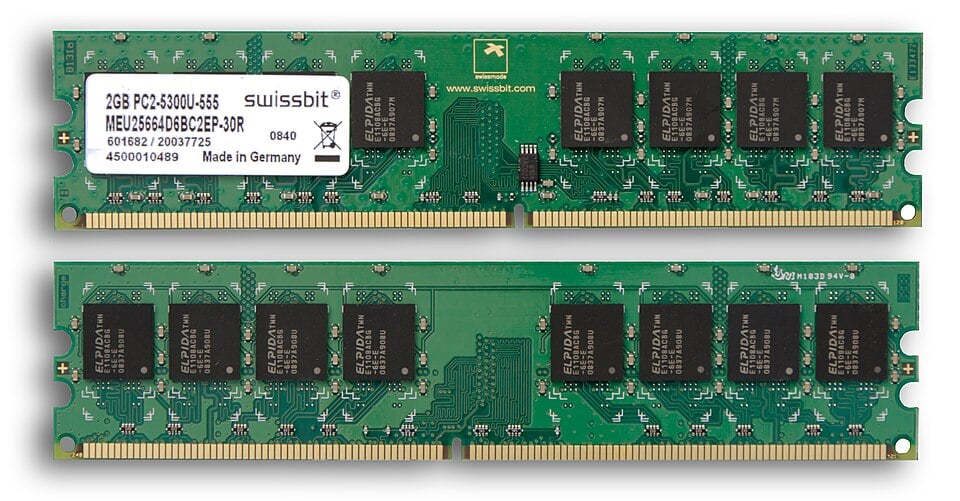
The numbers behind the shortage are difficult to minimize. DRAM prices surged 98 percent in the first quarter of 2026, according to market research firm TrendForce, and are on track to jump another 58 to 63 percent in the current quarter. Micron Technology, which supplies memory chips to Apple, Microsoft, and most of the consumer electronics industry, reported record quarterly revenue of $41.46 billion last week and projected $50 billion in its next quarter, numbers that demolished Wall Street estimates. Micron’s management disclosed that its entire 2026 high-bandwidth memory supply is already fully contracted to AI chip customers. There is simply no spare capacity to be had at any price a laptop maker would agree to pay.
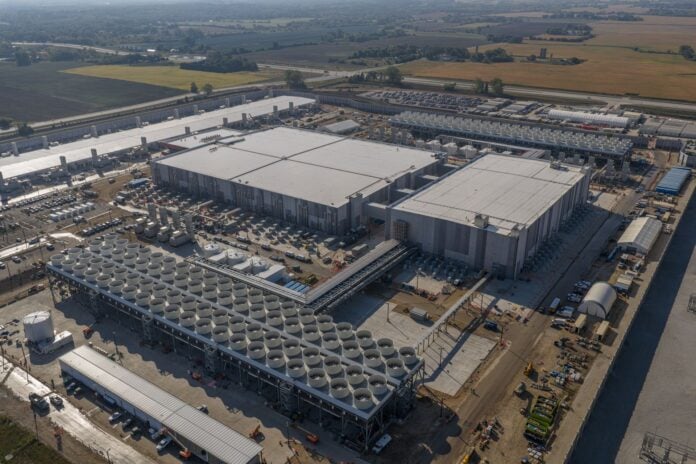
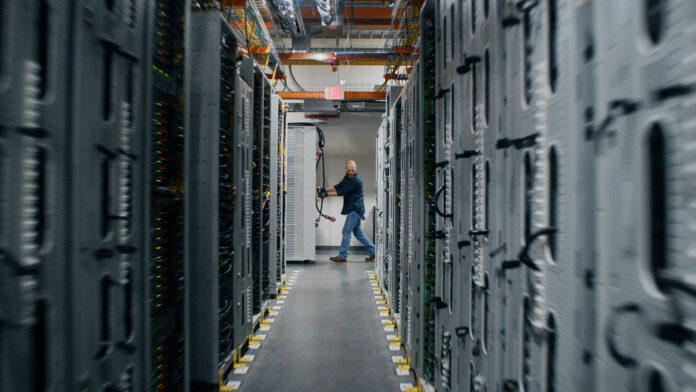
The mechanics of the shortage run directly through the factory floor. Semiconductor fabs that could be producing standard DRAM for consumer devices are instead prioritizing high-bandwidth memory, the specialized chip architecture required by Nvidia’s AI accelerators and the data centers building the infrastructure behind large language models. In a constrained production environment, cloud operators and AI companies with virtually unlimited infrastructure budgets are outbidding consumer electronics firms for the same underlying silicon. That dynamic, invisible to most MacBook buyers, is what converted a $1,099 laptop into a $1,299 one overnight. The cascade of AI investment rounds pouring hundreds of millions into computing infrastructure is not merely an industry news story; it is the structural cause of Thursday’s Apple announcement.
Samsung’s situation illustrates how completely AI demand has rewired semiconductor priorities. Reports emerged this week that Samsung’s memory manufacturing division refused a DRAM order from its own consumer electronics subsidiary for the Galaxy phone lineup. The unit that makes the chips told the unit that builds the phones it could not spare the supply. A company declining to fill its own internal order because the external market pays more is not a supply chain story in the usual sense; it is a measure of how distorted memory markets have become.
Microsoft’s Xbox announcement, posted to Xbox Wire on Thursday, was candid in a way that consumer companies rarely allow themselves. The blog post acknowledged that console storage and memory prices had already increased more than 2.5 times since Microsoft’s last Xbox price hike in October 2025 and forecast another doubling by fall of 2027. The Xbox Series S with 512GB of storage will rise to approximately $500 beginning August 1. The 1TB model increases by $150. Microsoft is discontinuing its 2TB model entirely, the highest-storage configuration in the lineup. It is the third Xbox price increase in just over a year, and unlike the first two, which were partly attributed to tariff-related cost pressure, this one is being blamed explicitly on the same memory crisis Apple cited hours earlier.
Apple also raised prices on its certified refurbished Macs and iPads on Thursday, closing what had briefly appeared to be a backdoor for buyers hoping to absorb the price shock through Apple’s own secondary market. Refurbished MacBook prices rose by an average of $160 to $180 according to data compiled by MacRumors. The move matters because Apple’s refurbished store has historically offered units at roughly 15 percent below new prices; the markup-to-refurb gap is now considerably narrower.
Markets delivered a swift judgment. Apple closed down 6.12 percent Thursday, its worst single-session decline in more than a year, erasing roughly $265 billion in market capitalization. The sell-off reflects something deeper than a reaction to higher prices. It reflects a market reading of a company that has spent years using scale and supply chain power to shield customers from cost shocks and has now been unable to do so. That loss of pricing control, in the context of a memory market that is not expected to rebalance until at least late 2027, leaves a question no analyst has fully answered: how much more can Apple absorb before the next round of increases, and what happens to iPhone demand if the September launch carries similar math. The chip industry’s structural realignment away from consumer devices was a trend that major manufacturers hoped to manage through the current AI buildout cycle. Thursday suggested they are no longer managing it.
What neither Apple nor Microsoft said Thursday is what consumers most need to know: when the shortage ends. TrendForce does not forecast a meaningful DRAM price correction before 2028 under current capacity expansion timelines. Microsoft said it expects memory costs to double again by fall 2027. Apple said nothing about future pricing at all. The $200 gap between what a MacBook Air cost last Wednesday and what it costs today is, by those projections, unlikely to close anytime soon.