
LOS ANGELES — Zonnique Pullins was in a federal courtroom in Los Angeles when the jury confirmed what she had believed for years: that toy manufacturer MGA Entertainment had built a doll empire, in part, on the image of a girl group she co-founded as a teenager. The foreperson read the September 2024 verdict and Pullins began to cry. She later described the moment a juror raised her hand to affirm that the OMG Girlz possessed a protectable trade dress. “When the judge asked if we had a memorable trade dress and everyone raised their hands, I got so emotional,” she said.
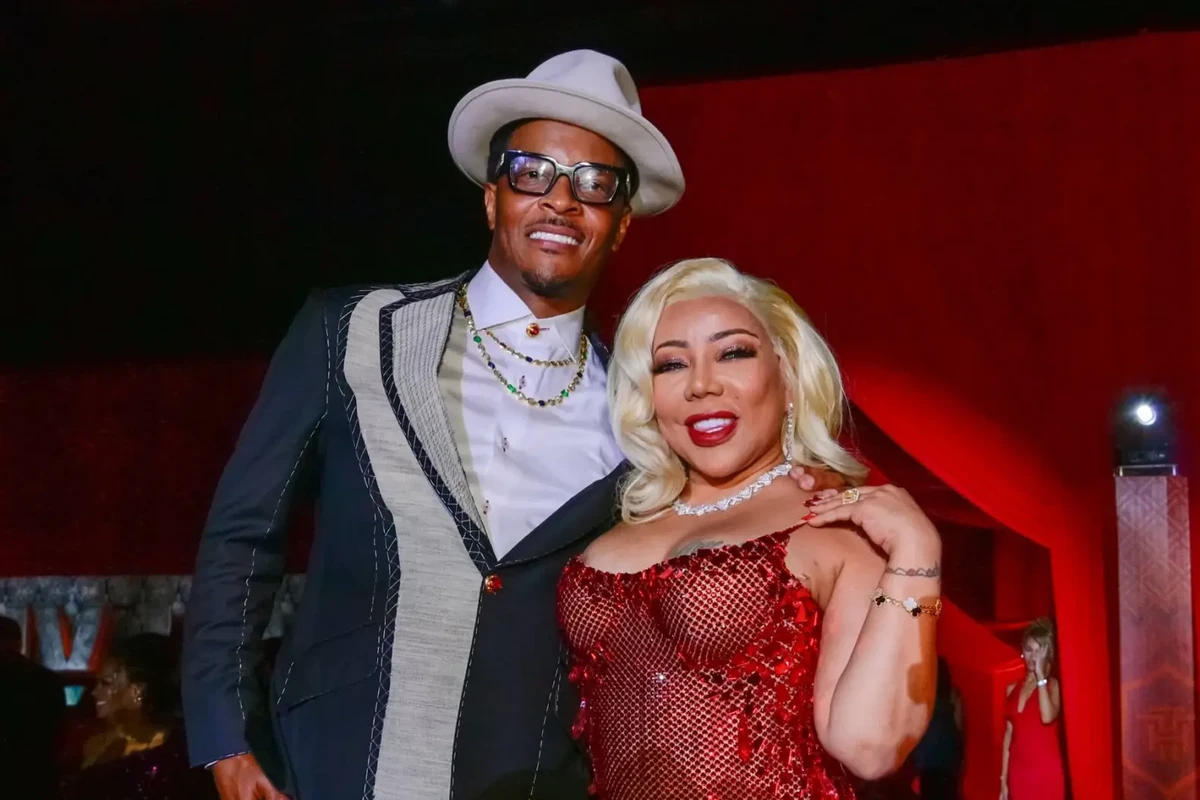
That jury awarded T.I. and Tiny $71.5 million.
What followed stripped the number down twice. U.S. District Judge James V. Selna of the Central District of California crossed out $53.6 million of the award, calling the punitive damages “unsupported by the evidence,” and ordered a new trial solely on the punitive question. Then, on July 1, a fourth jury declined to restore a single dollar of punitive relief. After three years of litigation, four separate trials, and one federal appellate reversal, T.I. and Tameka “Tiny” Harris will collect $17.9 million in compensatory damages from MGA Entertainment. The part that no court has disturbed. The part that does not carry the punitive signal the couple spent three more years trying to restore.
T.I. and Tiny created the OMG Girlz in 2009. The group was built around Zonnique “Star” Pullins, Tiny’s daughter; Bahja “Beauty” Rodriguez; and Breaunna “Babydoll” Womack. Over years of touring, music videos, and merchandise, they built a visual identity that their legal team would later argue in federal court was a distinctive and protectable aesthetic. When MGA Entertainment released its O.M.G. fashion doll sub-line under the L.O.L. Surprise! franchise umbrella in 2019, T.I. and Tiny recognized something in the product design that they believed was theirs.
MGA’s billionaire founder Isaac Larian disagreed. He testified that the OMG Girlz had played no role in the O.M.G. doll design, that the initials stood for “Outrageous Millennial Girls,” and that the lawsuit was the work of what he called “extortionists.” His legal team maintained throughout that the two properties were distinct, that the group’s cultural footprint had not risen to the level required for a federally protectable trade dress, and that T.I. and Tiny were seeking millions for a connection that no jury could properly find.

Four separate juries tried to settle the dispute, with results that contradicted one another. The first trial, in January 2023, ended in mistrial. The second, later that year, cleared MGA entirely, a verdict a federal appeals court later reversed after finding the jury had been improperly instructed on the standards for trade dress protection. The third trial, in September 2024, was the one Pullins cried at: a $71.5 million verdict that represented the legal system’s clearest statement that MGA had taken something belonging to T.I. and Tiny. Judge Selna reviewed that award and kept $17.9 million, throwing out $53.6 million.
The fourth trial, which concluded July 1, was structured around a single legal question: whether MGA had acted with malice, or at minimum with reckless disregard for T.I. and Tiny’s intellectual property rights, in a way that warranted punishment beyond compensatory damages. The fourth jury, working from a narrower evidentiary record than the third, found the answer was no.
T.I. and Tiny’s legal team, led by attorneys John Keville, Chante Westmoreland, and Robert Green, said they were disappointed. The team argued the latest jury had been disadvantaged by not seeing the full evidentiary picture that persuaded the 2024 panel. Their statement, as reported by Rolling Stone, said the couple had proven malice once and believed a jury with access to three weeks of prior testimony would have found it again.
T.I. has been vocal about the case since its early stages. After the 2024 verdict, he called the outcome “a testament to the relentlessness and resilience” of everyone involved. Tiny was more direct: the evidence had shown MGA stole from their creation. After the July 1 verdict, the couple’s legal team issued a statement but T.I. and Tiny themselves had not spoken publicly.
The rapper was in Los Angeles late last month for his BET Awards performance, delivering a set that put him alongside the genre’s longer-standing names. The legal case has run in parallel with his public career for three years without either absorbing the other.
What happens next is not established. Whether T.I. and Tiny will seek to appeal the fourth jury’s finding, or whether MGA Entertainment intends to contest the $17.9 million compensatory award that has now survived four rounds of adjudication, has not been publicly addressed. The O.M.G. doll line remains in production. MGA has not indicated any plans to alter the product or its branding.
For the OMG Girlz, for the lawyers who built the trade dress argument from scratch, and for observers tracking what federal intellectual property law is prepared to protect and what it is not prepared to punish, the case has produced a complicated answer. The courts found the theft. The compensation was affirmed. The punishment was not. What that sequence means for the next artist, athlete, or family who believes a toy company borrowed their identity without asking remains a question this case does not directly resolve.