
LOS ANGELES — Within three hours of its Sunday evening release, the first full trailer for Avengers: Doomsday had broken the single-day trailer viewing record previously held by Deadpool and Wolverine. Marvel Studios did not need the data to know it had something. The footage answered the questions the studio had been holding for two years: what Robert Downey Jr.’s Doctor Doom sounds like; whether Steve Rogers is genuinely back; and how a story this large accommodates the X-Men alongside everyone who came before.
The answers, in sequence: commanding and deliberate, stripped of irony. Yes, and he is a father now. The X-Men appear front and center, in shared-universe combat sequences that make their arrival in the MCU feel less like a transition and more like a conclusion.
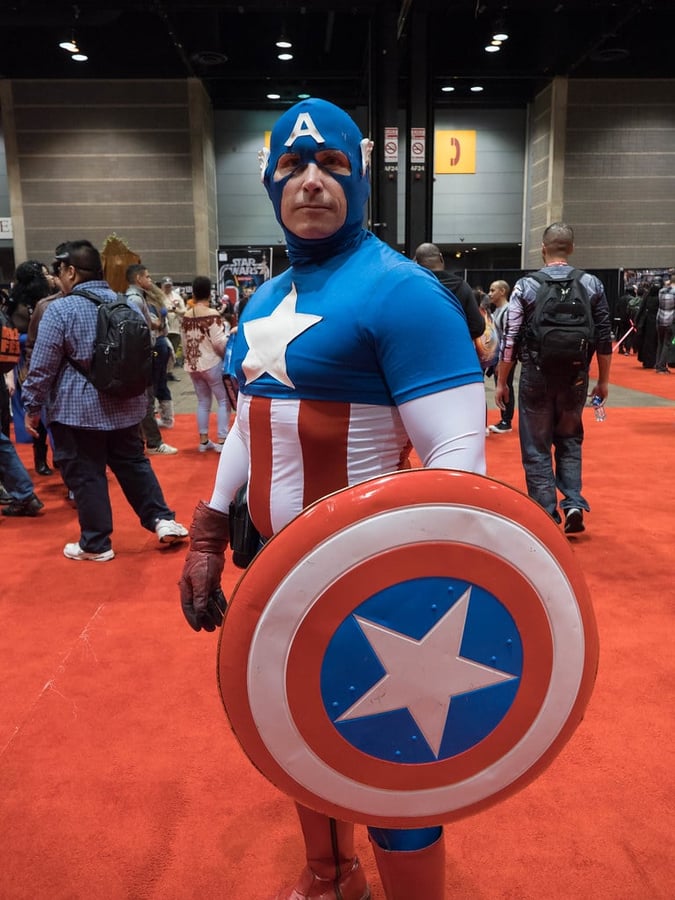
The trailer opens quietly. Steve Rogers (Chris Evans) in a kitchen, the setting domestic, far removed from anything resembling a battlefield. Then Mjolnir appears. He lifts it. The implication, that he is still worthy after everything and after the years that passed since Endgame, requires no dialogue to land. Thor (Chris Hemsworth) arrives shortly after, and the reunion carries the weight these two characters have accumulated across fifteen years of shared screen history.
Robert Downey Jr.’s Doctor Doom does not arrive quietly. The trailer builds to a sustained sequence showing the villain in full armor, and the voice that emerges is cold and deliberate. It is the sound of someone who has concluded the argument before the room understood one had begun. Downey spent a decade building Tony Stark into one of cinema’s most recognizable figures, a character defined by velocity and wit and defensive irony. Doom is their opposite. The gamble of casting him as the MCU’s primary antagonist is paying off in the opening minutes of the marketing campaign.
Joe and Anthony Russo are directing. Their return to Marvel, after years in which the studio struggled to replicate the structural coherence of Infinity War and Endgame, carried enormous expectation from the moment it was announced. What the Doomsday trailer communicates in two-plus minutes is control. The pacing does not rush. Each reveal is given room to register. The Russo Brothers appear to have brought back something that has been absent from Marvel’s post-Endgame output: the sense that every scene is accumulating toward something specific.
The film carries a confirmed runtime of 165 minutes, a figure Eastern Herald reported when advance ticket sales opened earlier this month. For a story with this many simultaneous threads, including returning Avengers, a new Fantastic Four, a villain played by an actor whose previous MCU role required years to construct, and now the complete X-Men complement, that length is an acknowledgment of scope rather than an apology for runtime.

The X-Men sequences are the clearest evidence that the MCU’s multiverse consolidation has moved from theoretical to operational. Several mutant characters appear alongside established Avengers in the trailer, not in partitioned scenes maintaining franchise distance, but in active shared combat. The years of gradual X-Men introductions and assurances that full integration was coming have resolved in the Doomsday trailer presenting it without ceremony.
Sunday’s viewing figures carry a box-office signal as much as an enthusiasm reading. Theatrical attendance for superhero films has been variable since the post-pandemic recalibration of audience habits, and Disney’s theatrical division will read the trailer’s first-day performance against that backdrop. Three hours, a viewing record, no additional promotional spend: the opening weekend projections will be significant.
The marketing window between now and December 18, 2026 will generate questions the trailer has deliberately left open: what Doctor Doom ultimately wants, what Steve Rogers’ return means for the resolution, and whether the Fantastic Four play a structural role or a supporting one. Marvel’s recent pattern has been to hold crucial plot mechanics for later trailers and rely on theatrical experience to deliver the answer. The Doomsday campaign, in its opening move, suggests there is enough material to sustain the months ahead.
For an audience that has followed the MCU from its beginning, the Doomsday trailer offers something the studio has rarely managed in the decade since Endgame: a sense that scale and emotional geography belong together. Steve Rogers with a hammer, Thor watching, a villain in iron armor who used to be Tony Stark. That combination is not produced by accident, and it is not sustained without understanding what made the original run work. Sunday’s viewing record suggests the audience recognized it immediately.