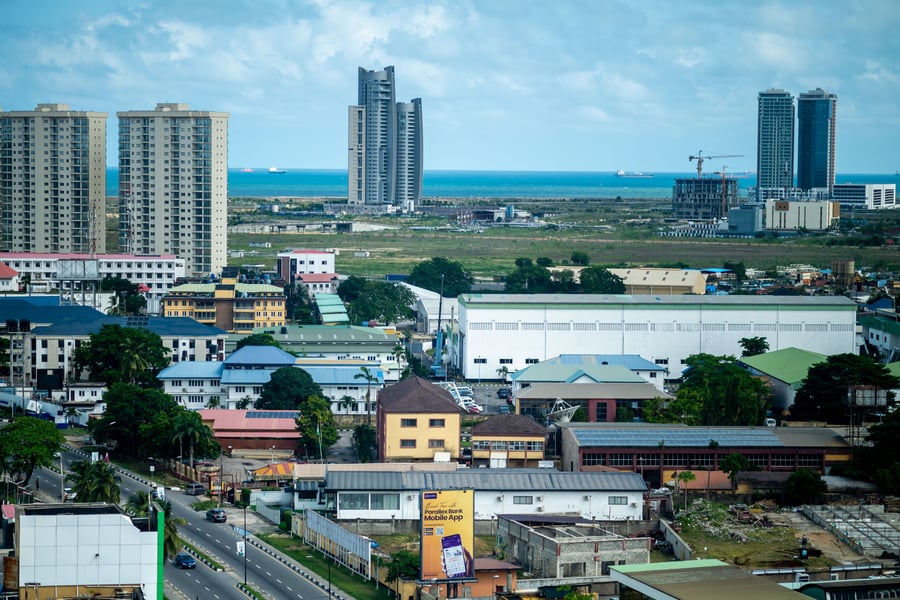

Lagos is one of the largest cities in Africa, spread across the mainland and several islands connected by a small number of major bridges. Its transport system mixes buses and ride apps with informal options that locals use every day. Knowing how each option works before arrival will help you reach your destination without wasted time.
Getting From the Airport
Murtala Muhammed International Airport is located in the Ikeja area on the mainland, and the journey to popular accommodation zones such as Victoria Island, Ikoyi, or Lekki can take anywhere from 40 minutes to over two hours, depending on the time of day. Late-night and early-morning arrivals usually face lighter traffic than midday or evening landings.
The most reliable options from the airport are pre-booked private transfers and licensed ride-hailing services. Both require working mobile data to confirm the driver, follow the route, and contact the host or hotel if needed. Setting up a Holafly travel eSIM for Nigeria before departure gives your phone immediate data on arrival, which is especially useful if local SIM kiosks are closed late at night.
Understanding Lagos Traffic
Traffic, locally known as “go-slow,” shapes daily movement in Lagos. Rush hours typically run from 6 am to 10 am and 4 pm to 8 pm, with Fridays often heavier than other weekdays. A trip that takes 30 minutes at noon may take two or three hours during peak periods.
Plan meetings, flights, and check-in times with generous buffers. Where possible, schedule travel between mainland and island areas outside rush hours. Weekend traffic is usually lighter, although Lekki, Victoria Island, and the airport corridor still see congestion on Saturday afternoons.
Public Transport Options
The Bus Rapid Transit (BRT) network runs on dedicated lanes and is one of the most predictable ways to move along major corridors. Tickets are paid for through a rechargeable card or, on some routes, in cash at the station. Stations are clearly marked, and signage is in English.
Yellow minibuses, called danfos, run almost everywhere but follow informal routes and stops. They are inexpensive but can be crowded, challenging to navigate without local knowledge, and not recommended for travelers with luggage. Small three-wheeled taxis, known as keke napep, handle shorter trips within specific neighborhoods.
Ferries operate between several jetties on the lagoon and offer a quick way to skip road traffic between the mainland and island areas. Routes, schedules, and ticket prices are posted at the terminals.
Ride-Hailing and Taxis
Ride-hailing apps are widely used in Lagos and are usually the easiest option for first-time visitors. They show fares before booking, track the route, and store trip records. Make sure your card works internationally, or check that the app supports cash payment if you prefer to pay in naira.
Traditional street taxis exist but rarely use meters. If you choose one, agree on a fare before the trip starts and confirm the destination using a saved address on your phone.
Moving Between Mainland and Islands
Several bridges connect mainland Lagos to the islands, with the Third Mainland Bridge, Eko Bridge, and Carter Bridge handling most traffic. These routes become heavily congested during rush hour and during heavy rain. If you are staying on the islands for a luxury trip and need to visit the mainland, plan the round trip to avoid returning during peak congestion.
For shorter island-to-island trips, distances are walkable in some neighborhoods, although the heat and humidity can make longer walks uncomfortable. Closed shoes and sun protection help.
Safety, Payments, and Practical Considerations
Keep valuables out of sight in any vehicle, especially in slow-moving traffic where windows are sometimes targeted. Lock doors when riding in taxis or ride apps. Avoid using your phone openly while standing on the street.
Naira is the local currency. Cards work in formal restaurants, hotels, malls, and ride apps, but cash and instant bank transfers are common for smaller purchases, danfos, kekes, and street vendors. Carry small notes to avoid change problems.
A small amount of planning before each trip, especially around timing and choice of transport, makes Lagos more manageable for first-time visitors. Match the option to the time of day, your route, and your comfort level.