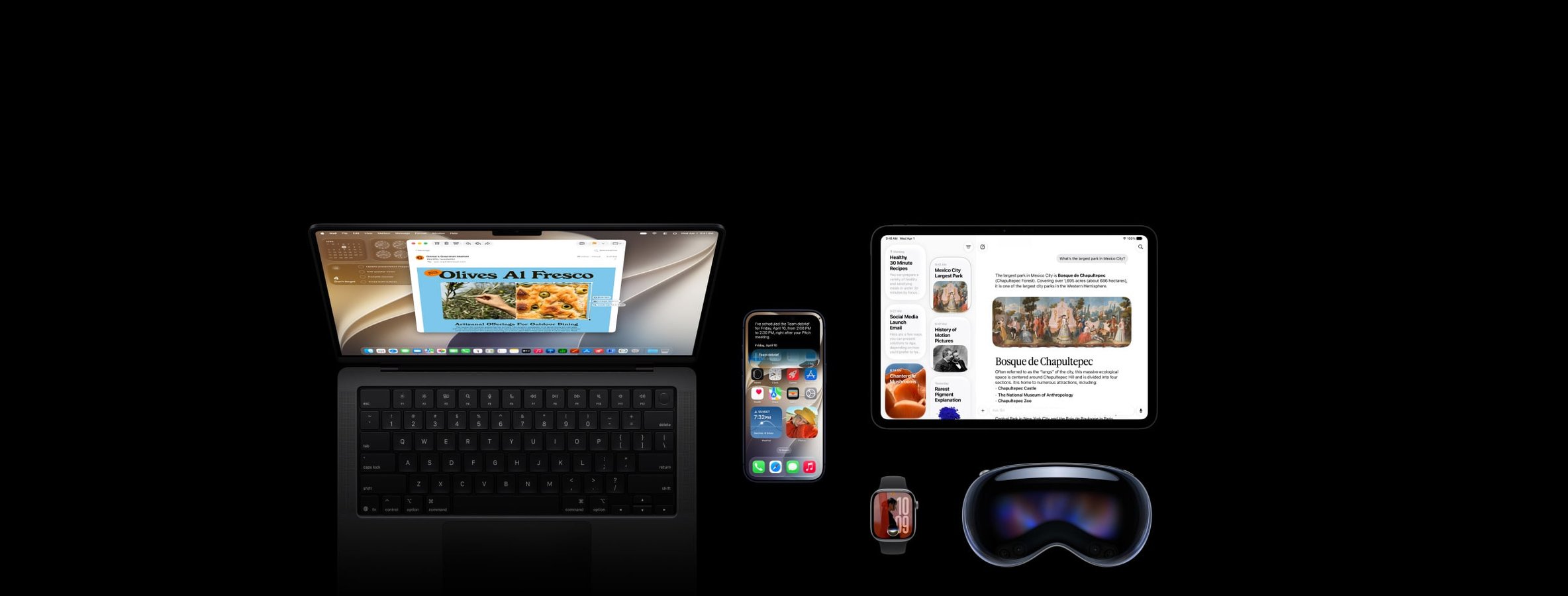

SAN FRANCISCO – Apple on Monday opened the iOS 27 public beta program to any iPhone user with an Apple ID, marking the first time this year’s major software overhaul has been accessible outside the developer program. Anyone willing to accept the stability trade-offs that come with pre-release software can now sign up and install iOS 27, iPadOS 27, or macOS 27 on an eligible device.
The move places the Liquid Glass redesign, an overhauled Siri, and a set of meaningful child safety tools in front of a far larger audience than developers alone. Apple typically releases its public beta in mid-summer as a deliberate staging step, gathering broader user feedback before the final fall release. This year’s software represents the company’s most visible design departure in more than a decade, and the public beta gives millions of users their first chance to weigh in.
The headline addition in iOS 27 is a rebuilt Siri. Apple’s revised assistant is designed to carry on multi-turn conversations that retain context across messages, pull information stored on the device such as emails, photos, and calendar entries, and take actions inside third-party apps without sending that data to Apple’s servers. Visual Intelligence, accessible through the camera, allows Siri to identify objects, storefronts, and plants and return contextual information in real time. Apple has also launched a dedicated Siri application as a standalone hub across devices. The company has described the most advanced personal context features as “coming later this year,” meaning not all Siri capabilities will be present when iOS 27 ships in the fall.
Performance numbers form the other major pitch to existing iPhone owners. Apple cites app launch times up to 30 percent faster than iOS 26, photo library loading up to 70 percent faster, and AirDrop transfers up to 80 percent faster. If the improvements hold on real devices, they would close a meaningful portion of the responsiveness gap between older and newer iPhone models, a gap that has contributed to a widespread perception of phones slowing with age.
Child safety tools have been substantially expanded. Parents can now designate specific apps during a new device setup flow, use a feature called Ask to Browse to require approval before a child visits any website in Safari, and restrict access to individual app categories on a time-of-day schedule. Communication Safety, which previously flagged sexually explicit content, has been extended to detect images containing gore and violence. These additions address specific complaints that parents using Apple’s Screen Time controls have raised since the feature launched.
Not everything previewed at Apple’s developer conference in June is present in the public beta. The most advanced Siri capabilities, including deep synthesis of personal context and broader world knowledge access, remain listed as “coming later this year.” The Wallet Insights finance tracking feature, which first appeared in developer beta code and was designed to surface spending summaries and account balances directly in Apple Wallet, is visible in some installations but not yet fully functional. Apple has not named a specific date for when either of those components will arrive.
Installing the public beta is straightforward. Users register their Apple ID through Apple’s beta program and download a configuration profile directly to a compatible iPhone, iPad, or Mac. Eligible devices span recent models across all three product lines; specific compatibility varies by hardware generation. Apple’s guidance is consistent: beta software should not go on a primary device. Bugs that cause data loss or unexpected behavior are uncommon but real, and some third-party applications may not function correctly until their developers update for the new operating system. A complete iCloud or Finder backup before installation is the most important step.
The public beta period typically runs through August, giving Apple several weeks of additional feedback before a release candidate is finalized. iOS 27 is expected to reach all compatible iPhones in the fall, most likely in September alongside new iPhone hardware. The Siri features described as arriving “later this year” will likely follow the main release on a delayed schedule, a pattern Apple has used before when cloud-dependent features require additional infrastructure work beyond the initial launch.
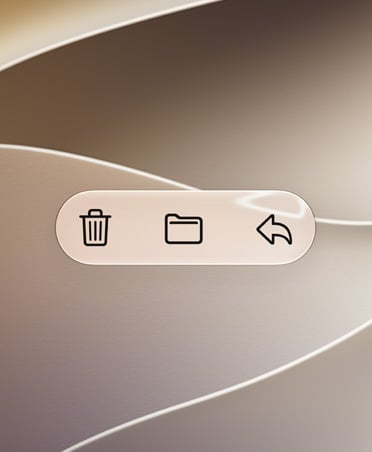
The Liquid Glass redesign is the visual change most users will notice first. It replaces the flat, matte aesthetic that has defined iPhone interfaces since iOS 7 with layered, translucent panels that shift and refract as content moves behind them. A slider in Settings allows users to adjust the intensity of the effect up or down. Whether the new look represents an improvement is a question the public beta will put to its largest test yet. Apple debuted the design at its developer conference in June, but developer audiences tend to form opinions that differ from general consumer reaction, and the broader response that emerges from the coming weeks will shape how Apple calibrates the design before the final release.
The gap between what Apple showed and what shipped in the iOS 27 developer beta cycle signals a familiar pattern: the public announcement sets expectations higher than the initial release can meet, with features landing in subsequent updates through the winter. What remains unknown is which iOS 27 capabilities will be complete at the fall release and how many will trickle out over the months that follow. The public beta will not resolve that question, but it will produce the first consumer-scale data on whether the Liquid Glass redesign and the first wave of rebuilt Siri features land as Apple intended.