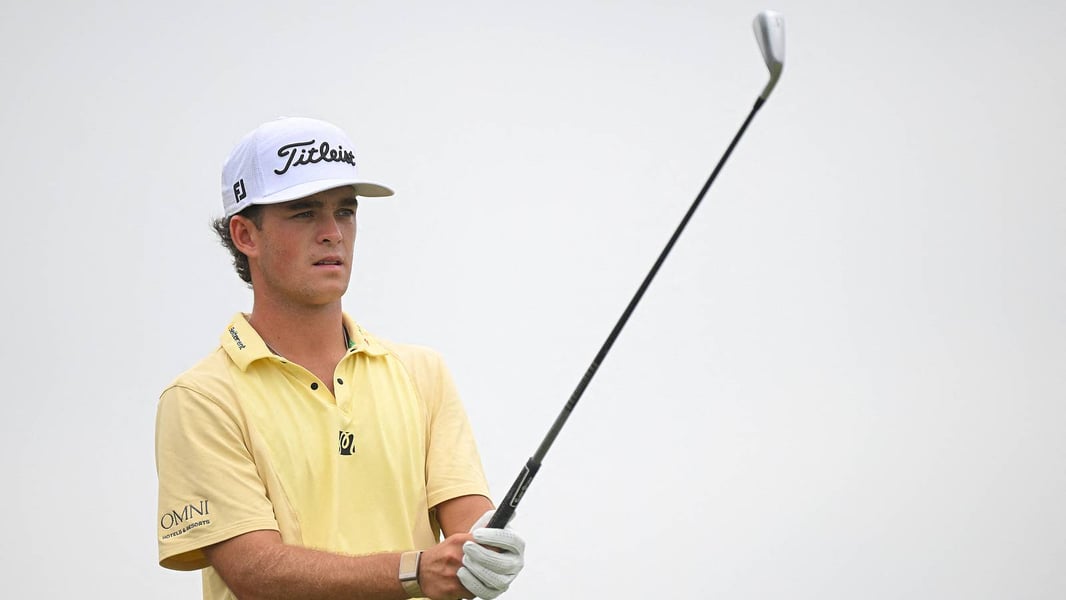

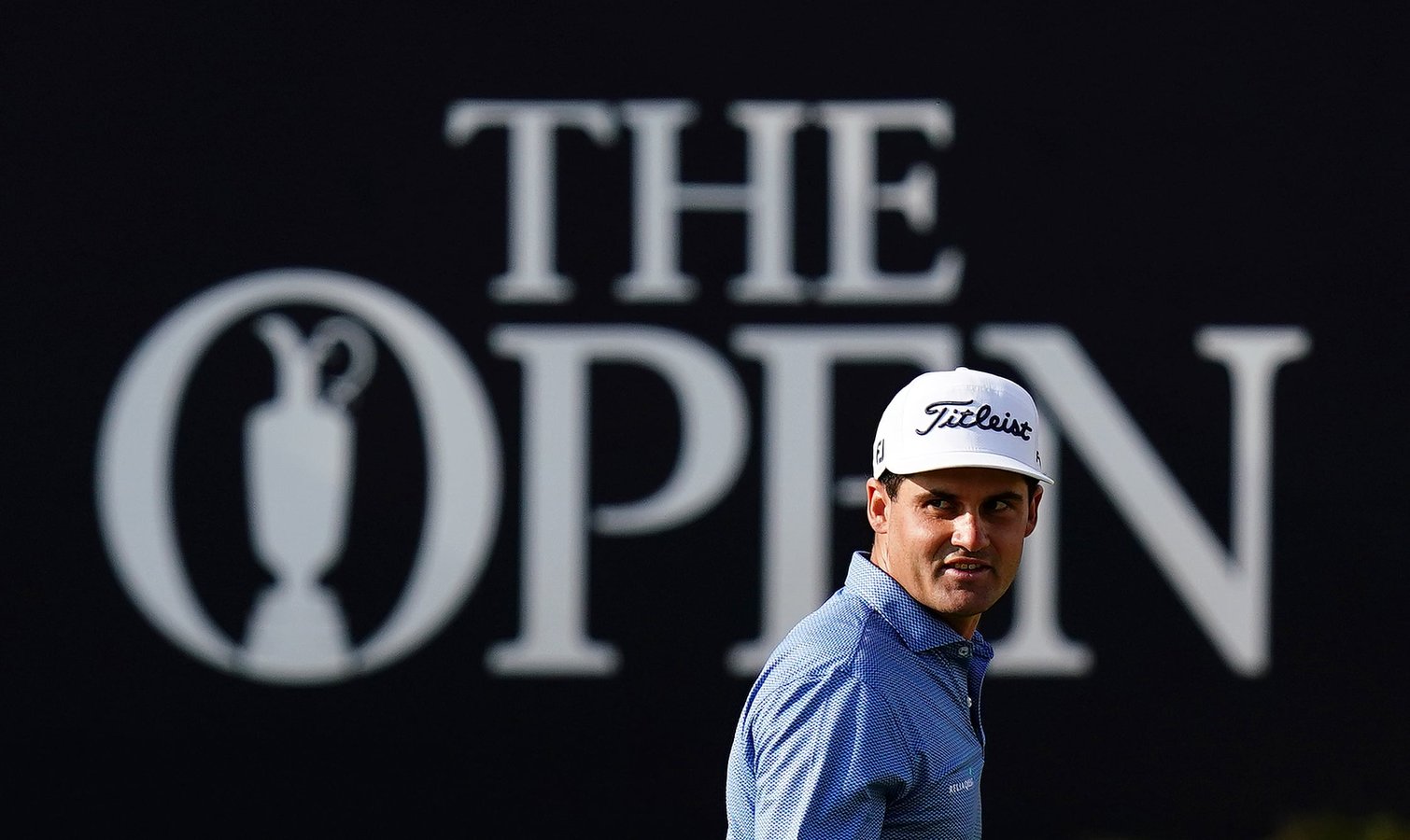
SOUTHPORT – The scorecard read 65. The name at the top of the leaderboard was Jackson Suber. The 26-year-old American had played 27 holes of links golf in his entire life, none of them in Europe, before arriving at Royal Birkdale this week for The Open Championship. He won the day anyway.
Suber birdied his way through a course he had barely encountered, holding off a field of major champions to claim the first-round lead at the oldest major in golf. “Monday was my first round of links golf,” Suber said after signing his card. “I’ve played 27 holes before I played the first round today. I’ve never been to Europe.” Nobody hearing the number 65 would have guessed it belonged to someone with that background.
Sungjae Im and Dan Brown, both one shot back at four under par, are among the more established names trailing him. Nine others sit at three under, including former Open champion Francesco Molinari, Scottish crowd favourite Robert MacIntyre, and Bryson DeChambeau. The field that has chased major championships across three decades of professional golf found itself, after 18 holes, looking up at a player who had never set foot on a European links course before this week.
Molinari lifted the Claret Jug at Carnoustie in 2018 after one of the most composed final-round performances The Open has witnessed. He is back in the mix at 43, his three-under 67 a reminder that the links game does not entirely desert those who once mastered it. But above him, for now, is Suber, whose competitive experience in this format amounts to a handful of practice holes taken in the days before the tournament began.
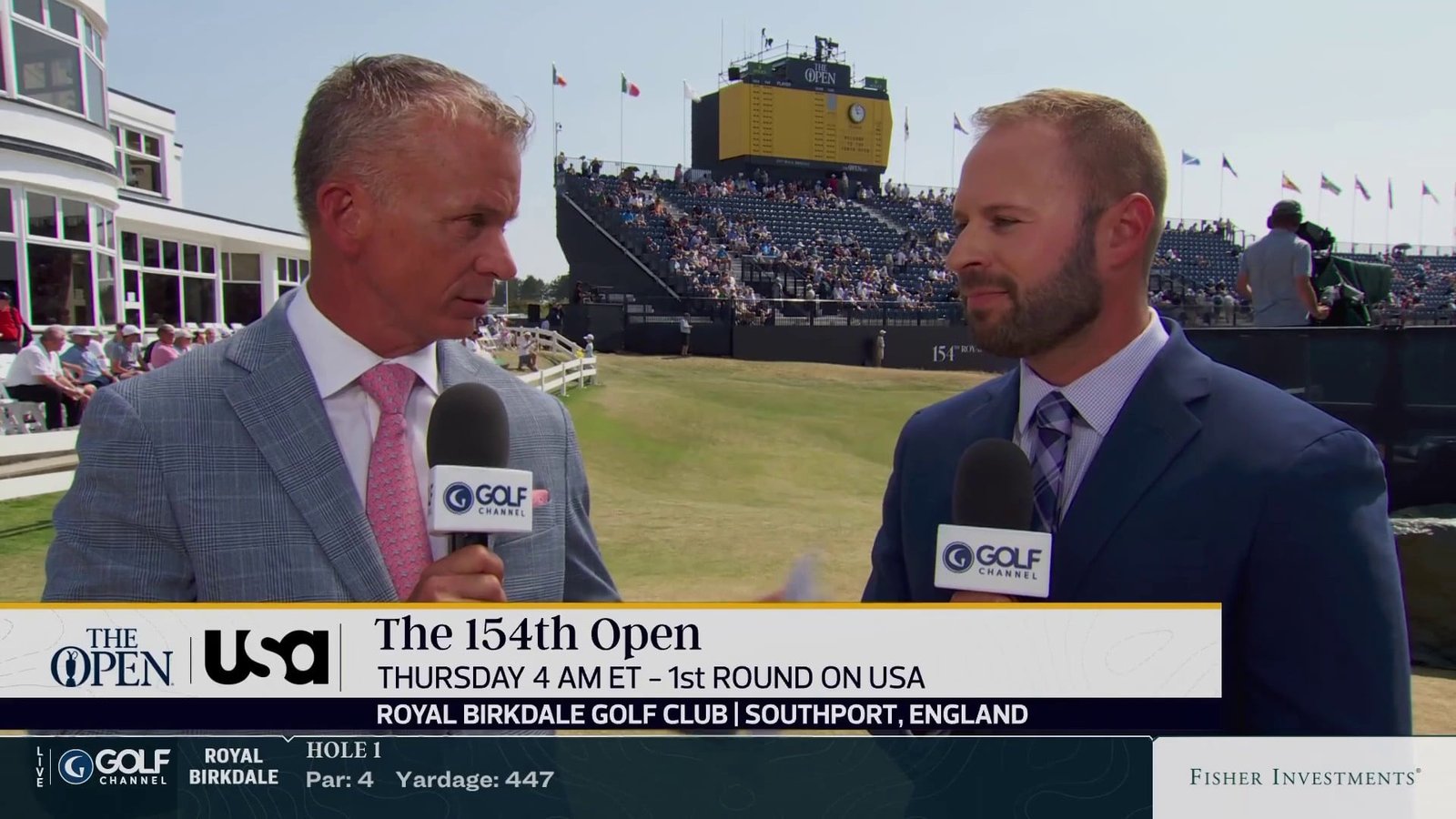
DeChambeau arrived at Birkdale carrying a public dispute with Nick Faldo, the six-time major champion who had questioned the American’s suitability for links golf. The 67 DeChambeau posted served as his rebuttal. “I think you’ve got to be a lot more strategic out on the golf course,” DeChambeau said in his post-round remarks, deploying the word “strategic” repeatedly with the emphasis of a man settling a point. “I did a really good job today of being incredibly strategic.” Faldo, observing from the broadcast position, had offered his original critique in public. DeChambeau’s response arrived in the form of a scorecard.
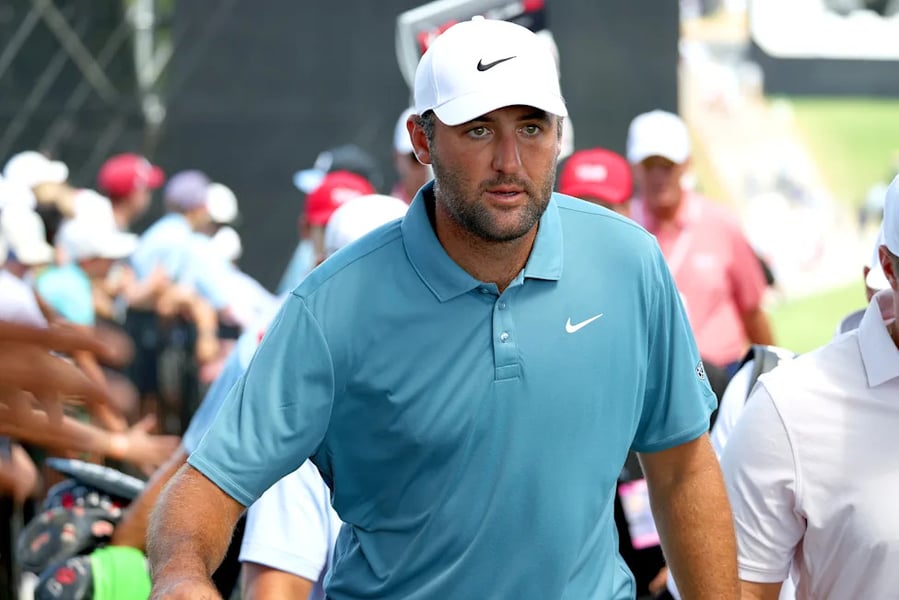
Scottie Scheffler, the world number one defending the Claret Jug from his victory at last year’s edition, carded a 68. He birdied four of his first six holes and looked as though he might push into commanding territory before the afternoon. Two subsequent bogeys softened the round into something solid rather than exceptional. The defending champion sits two under par, five behind Suber. Three rounds remain. In major tournament history, five shots after eighteen holes is a gap that has been erased more often than it has proved decisive. It is also a gap that must be erased.
The round’s most prominent difficulty was Rory McIlroy’s. The four-time major champion, who has made The Open the defining tournament of his later career, carded a 72. Two consecutive bogeys on his back nine pushed him to two over par and near the projected cut line. At Royal Birkdale, which McIlroy has previously played without winning, a Friday round that fails to recover will end his week early. For a player whose relationship with this championship has produced victories, near-misses, and significant collapses in roughly equal proportion, Thursday was the kind of round that makes the calculation harder.
According to Yahoo Sports’ coverage of the first round, Suber had completed his entire pre-tournament links reconnaissance – 27 holes in total – before Thursday. The context matters because Royal Birkdale is a course built on patience: tight fairways running through valleys between high dunes, greens that punish approaches from the wrong angle, and conditions that shift with the wind in ways that inland golfers typically take seasons to learn. Suber absorbed it in four days and shot five under.
In a week of European sport that has already produced its share of surprising outcomes – including a crash-marred Tour de France stage that ended with a sprint winner most had not predicted – The Open’s first day delivered an image that may define the early part of the week: a 26-year-old American, studying the unfamiliar contours of a Lancashire links, sending his name to the top of the leaderboard.
What remains unanswered is how Suber manages the transition from surprise leader to defending a position. The psychological question embedded in that transition is one that first-round major leaders answer differently. Some sharpen under the attention; others, having spent their focus on the performance that earned the lead, find the next day’s conditions more punishing than the first. Scheffler, DeChambeau, and the others who cluster behind him know how to handle that transition. Suber, who had not played links golf in Europe before this week, will find out what he knows when the wind arrives on Friday.