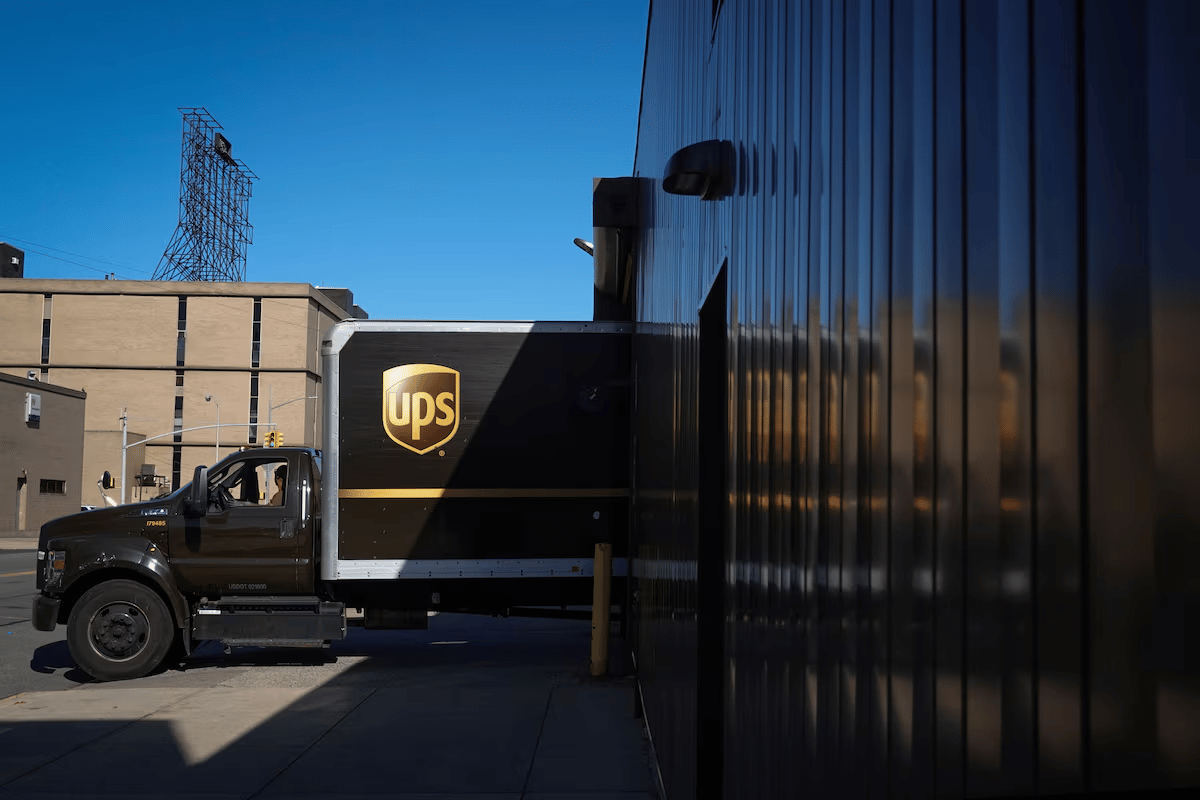
United Parcel Service said Tuesday it expects revenue in 2026 to exceed Wall Street forecasts, signaling confidence in a sweeping corporate overhaul even as the company prepares to eliminate as many as 30,000 jobs and retreat from lower-margin delivery volumes that once defined its growth strategy.
The logistics giant projected full-year revenue of roughly $89.7 billion in 2026, driven by a shift toward higher-value shipments, tighter cost controls, and a leaner operating model. The outlook marks a decisive break from the volume-driven approach that dominated the company’s expansion during the height of the e-commerce boom.
At the same time, UPS confirmed it plans to eliminate as many as 30,000 jobs, largely through attrition, voluntary buyouts, and operational restructuring. Executives framed the reductions as structural rather than cyclical, arguing that fewer workers would be needed as automation and network consolidation accelerate.
For much of the past decade, UPS pursued scale, competing aggressively in a competitive and commoditized delivery market. That strategy paid off during the pandemic, when home deliveries surged, but margins thinned as labor, fuel, and infrastructure costs climbed.
As demand normalized, the limits of that model became increasingly clear. Large retailers expanded their own delivery capabilities, while customers pushed back against price increases. UPS executives now say profitability, not raw volume, will define the company’s future.
The recalibration has been most visible in the company’s evolving relationship with Amazon. Once UPS’s largest customer, the online retail giant now accounts for a shrinking share of its delivery network as UPS seeks to reduce its dependence on Amazon volumes that executives have described as less profitable and operationally demanding.
That strategic retreat mirrors broader shifts in global commerce. As global supply chains are becoming more regionalized, logistics companies are being forced to rethink network design, pricing power, and capital allocation.
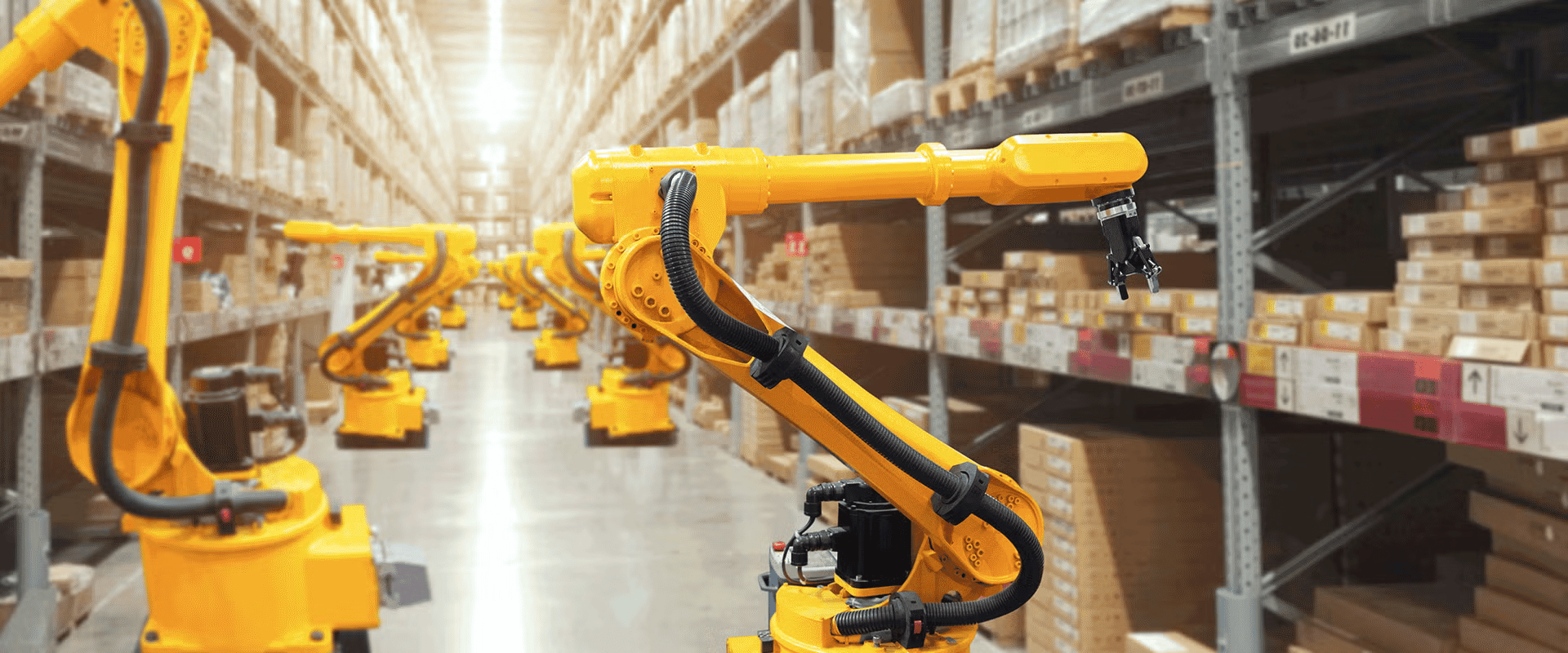
UPS’s job cuts are unfolding alongside heavy investment in automation. Advanced sorting technology, artificial intelligence-driven routing, and data analytics are being deployed across hubs and facilities to reduce labor intensity and improve efficiency. The company argues that a smaller, more technologically integrated workforce can handle fewer packages while generating higher returns.
Those changes come with risks. Past disruptions, including incidents highlighting operational risks within complex logistics hubs, have underscored how tightly optimized networks can be vulnerable to shocks.
Margins are now at the center of UPS’s strategy. The company forecast an adjusted operating margin of about 9.6 percent in 2026, reflecting management’s belief that premium services, including healthcare logistics and time-definite international shipments, offer more durable profitability than mass residential delivery.
Financial markets appear to support the shift. Following the forecast, UPS shares rose after the revenue forecast, signaling investor approval of a strategy that prioritizes earnings quality over scale.
The positive response came amid a broader rally, as financial markets have responded favorably to corporate earnings that suggest large companies are adapting to slower growth with cost discipline and pricing power, according to Reuters.
UPS executives have described 2026 as an inflection year, one in which years of investment and restructuring begin to materially reshape the company’s financial profile. Success will depend not only on execution but also on external forces, including economic growth, fuel prices, labor relations, and shifting trade policies.
Recent shifting global trade dynamics have already begun to alter shipping patterns, forcing logistics providers to adjust routes, pricing, and capacity in response to tariffs and geopolitical fragmentation.
In that environment, UPS is betting that discipline will outperform scale. By doing less, but doing it more profitably, the company hopes to redefine its role in a logistics industry shaped by technology, uncertainty, and intensifying competition.
Whether that bet succeeds will become clearer in the coming year. For now, the message from UPS is unmistakable: growth for growth’s sake is over, and the future belongs to networks built for resilience, precision, and profit.