
ST. PETERSBURG — The pledge came with some weight behind it. Russia is the world’s largest wheat exporter. It sits on fertilizer feedstocks that European and African farmers depend on. And it showed up on Wednesday at a panel of its own international economic forum to announce that it intends to do more on global food security — not less.
Speaking at a Russia-Brazil business dialogue session on the first day of the 2026 St. Petersburg International Economic Forum, Deputy Foreign Minister Sergey Ryabkov said Moscow was already working on the issue and intended to push harder. Governments “must do everything in our power to ensure food security in the broadest sense,” Ryabkov said, adding that Russia would continue its efforts “with full intensity and a sense of responsibility.”
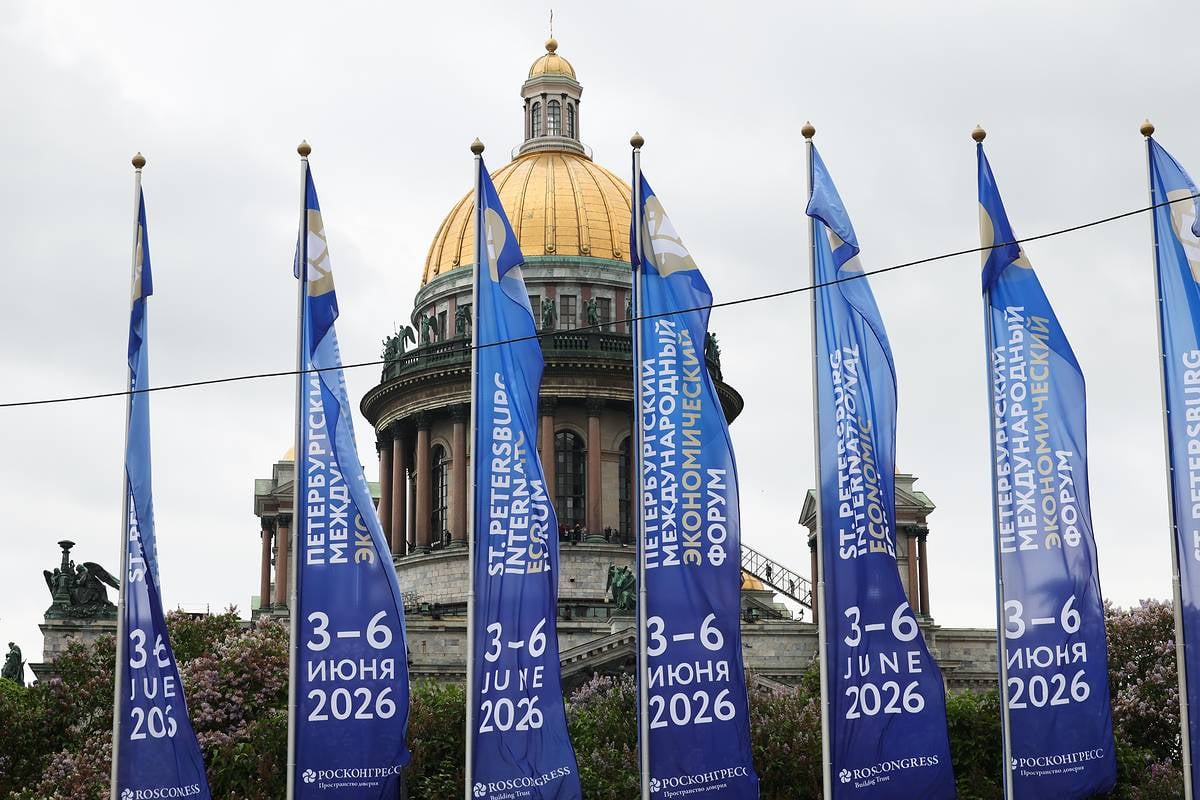
The forum, running June 3 through 6 under the theme “Pragmatic Dialogue: the Path to a Stable Future,” drew representatives from more than 130 countries and territories, with TASS reporting roughly 20,000 registered participants. Saudi Arabia is the guest country. Ryabkov’s remarks landed in a session focused on Russia-Brazil commercial and diplomatic ties, but the subtext was unmistakable: global food markets are under a stress that neither Moscow nor Brasília can afford to ignore.
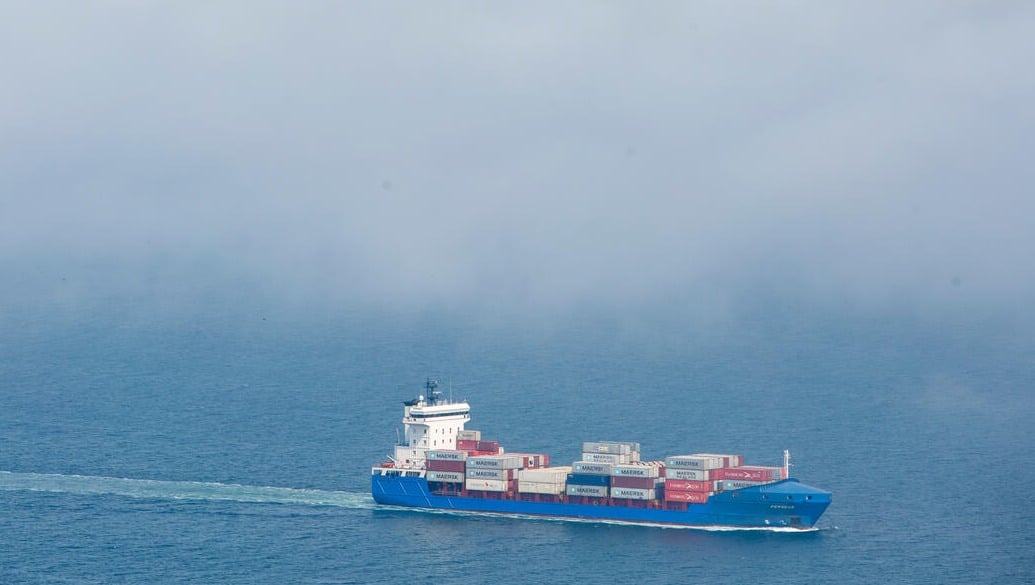
The reason for the urgency is not hard to find on any shipping map. Since March 2026, the Strait of Hormuz — the narrow choke point through which roughly 20 to 45 percent of the world’s key agricultural inputs travel by sea — has been subject to a military campaign and subsequent naval blockade. FAO Chief Economist Maximo Torero and David Laborde, director of the agency’s agrifood economics division, warned in April that if shipping through the strait did not resume, the FAO cautioned a systemic agrifood shock could escalate into a severe global food price crisis within six to twelve months. Laborde put the dilemma directly: “We are in an input crisis; we don’t want to make it a catastrophe. The difference depends on the actions we take.”
What makes the timing of Ryabkov’s statement notable is what it implicitly sidesteps. Russia’s military operation in Ukraine has, by the calculations of Western analysts and UN agencies alike, significantly disrupted the food export capacity of a country that was, before 2022, among the world’s top suppliers of wheat, sunflower oil, and corn to developing nations. The compound effect of the Ukraine conflict and the Hormuz blockade has created what the FAO describes as conditions ripe for a “perfect storm” — a convergence of disrupted supply chains, rising energy costs, and fertilizer scarcity that no single country’s pledge can resolve alone.
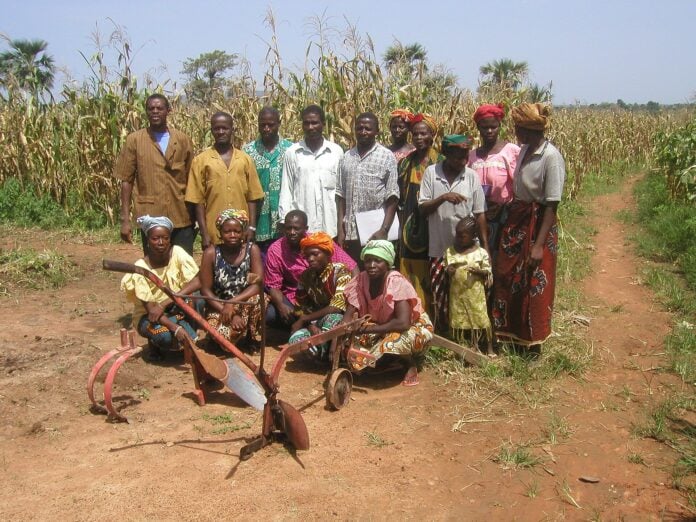
Russia has, on occasion, translated its food security rhetoric into tangible transfers. In early 2024, Moscow completed a gratuitous shipment of 200,000 tonnes of Russian wheat to six of the world’s poorest African countries — Mali, Burkina Faso, Zimbabwe, Eritrea, Somalia, and the Central African Republic. That gesture earned public gratitude from Zimbabwe’s President Emmerson Mnangagwa at the SPIEF plenary that year. But analysts have noted the strategic dimension of such transfers: grain today, as one assessment put it, can mean security partnerships and diplomatic alignment tomorrow. Ethiopia, Somalia, and Sudan have all received Russian food assistance in recent months even as they field competing overtures from China.
The FAO’s own Moscow office has been tracking the broader picture. In November 2025, Oleg Kobiakov, director of that office, noted that around 40 countries required constant external food assistance — a figure that had not meaningfully declined despite years of pledges from major grain producers at forums exactly like SPIEF.
Russia’s wheat export trajectory complicates any straightforward reading of Ryabkov’s pledge. Moscow has used the SPIEF platform to signal financial and commercial ambitions alongside its diplomatic posture, and the grain sector is no different. USDA forecasts put Russia’s wheat exports for 2026-27 at roughly 47 million tonnes — retaining its status as the world’s largest wheat exporter even as adverse weather and an estimated loss of 150,000 agricultural workers per year have begun to bite into harvests. Prices have fallen, profitability has declined, and market access in sanctioned conditions remains constrained, even as Moscow publicly frames its grain exports as an act of global responsibility.
Brazil’s presence in the dialogue is not incidental. The country is one of the world’s dominant agrifood exporters — a leading supplier of soybeans, corn, and beef — and has cultivated a strategic relationship with Moscow in part around agricultural complementarity. Brazilian soy feeds Russian livestock; Russian fertilizers feed Brazilian crops. Both countries have approached the idea of reshaping global food governance outside Western-dominated institutions, a theme that runs through the BRICS process that Brasília will host later this year.
What Ryabkov’s pledge does not address is the mechanism. Moscow offered no specifics at Wednesday’s session on what additional food aid, export commitments, or institutional architecture “full intensity” would look like in practice. The FAO’s recommendations in the wake of the Hormuz crisis center on avoiding export restrictions by major producers, redirecting fertilizer flows through alternative trade corridors, and securing multilateral financing for import-dependent nations facing immediate shortfalls. None of those asks require a speech at a business forum — they require policy decisions that, as of Wednesday, remain unmade.
The 2026 SPIEF runs through June 6. Putin is scheduled to deliver a plenary address on June 5.
—Inputs from RIA Novosti, Sputnik.