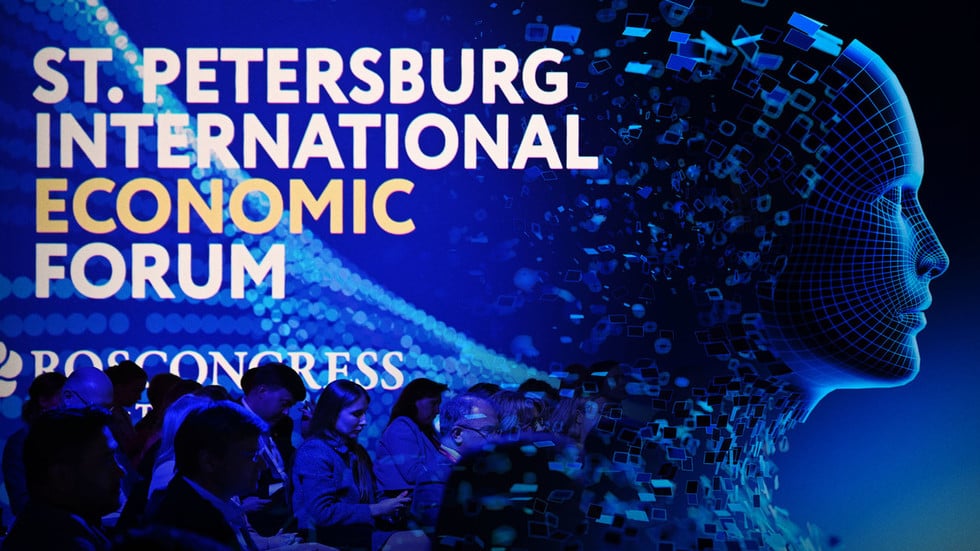

ST. PETERSBURG — The opening day of the St. Petersburg International Economic Forum delivered an unusually candid statement about where Russia’s gas industry believes the world is heading. Gazprom CEO Alexey Miller sat down with Philip Mshelbila, the newly appointed Secretary General of the Gas Exporting Countries Forum, and the two men found common ground on a projection that carries enormous consequence for global energy planning: global gas consumption will expand by roughly a third before the middle of this century.
The meeting, confirmed by Gazprom in a statement Wednesday, was framed as a discussion of current market trends. But the forecast at its center — a 33 percent increase in global demand by 2050 — is not a neutral observation. It is the strategic foundation on which both Russia and the GECF’s 20 member states are building their long-term investment and supply decisions at a moment when that ambition is under genuine pressure from multiple directions.
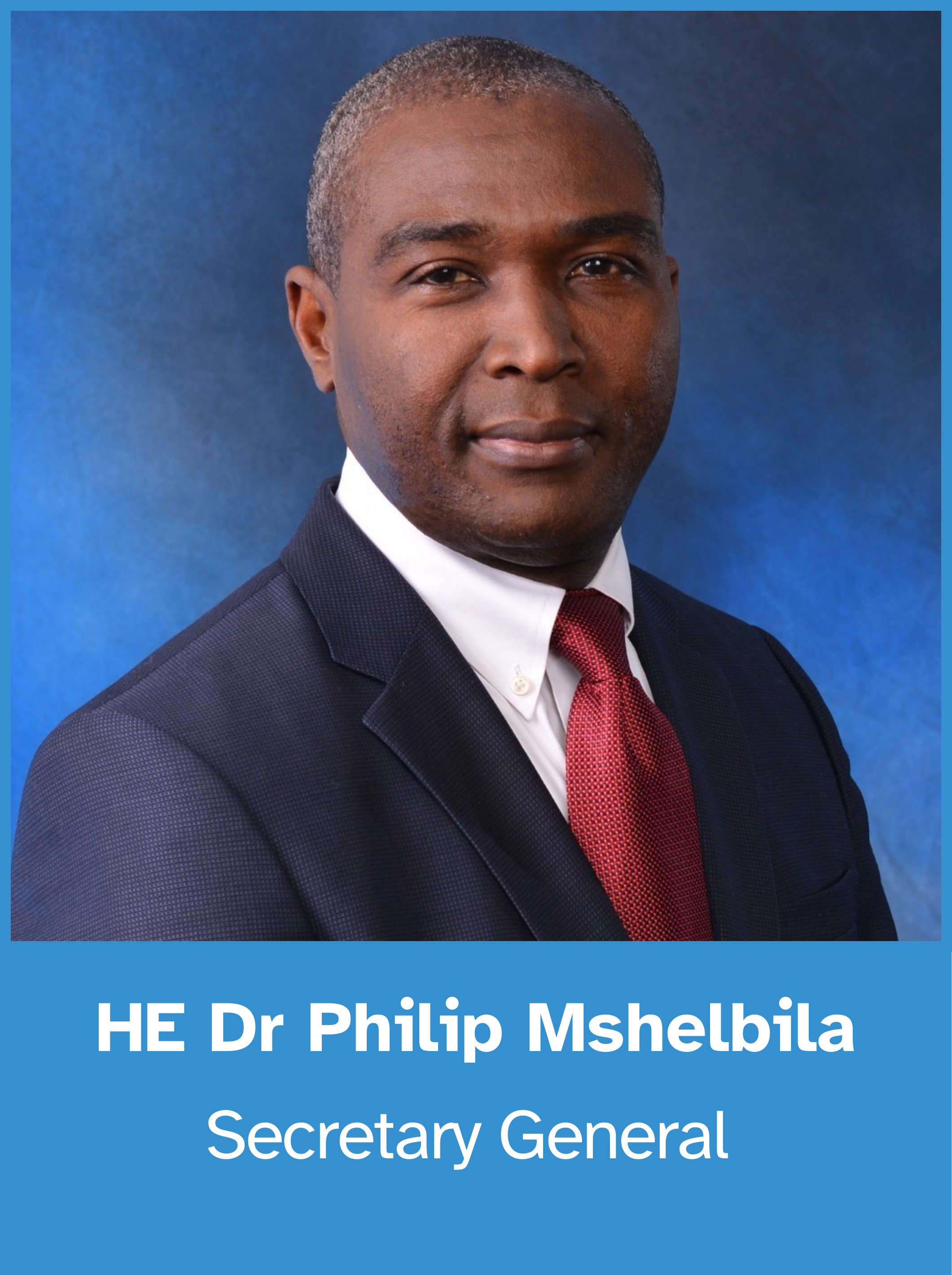
Mshelbila, who assumed the GECF’s top post on January 1, 2026, brings over three decades of gas industry experience, including stints as CEO of Nigeria LNG and Atlantic LNG in Trinidad and Tobago. His appointment was seen within the Forum as a deliberate choice of someone with deep roots in the Global South’s gas infrastructure, not just the Gulf. His presence at SPIEF — and his willingness to sit with the head of a company under sweeping Western sanctions — underscores how differently the Forum’s membership reads the current geopolitical map from how Brussels or Washington does.
The timing of the meeting is itself a data point. Russia’s RDIF chief told the same forum on Wednesday that European Union countries had collectively forfeited $3.5 trillion by severing Russian energy ties. Whether that figure holds up to scrutiny or not, it reflects a calculation that Europe’s gas crisis has created a vacuum that someone will fill — and Gazprom wants to be part of that conversation, even if the conversation is happening in Doha, New Delhi, and Hanoi rather than Berlin or Brussels.
The GECF’s own annual market report, published in March 2026, estimated that global gas production is on track to grow by around 32 percent by 2050 compared to 2022 levels, reaching 5.3 trillion cubic meters annually. That supply-side number maps almost exactly onto the demand forecast Miller and Mshelbila discussed on Wednesday. The alignment is not coincidental. GECF members — which include Russia, Iran, Qatar, Algeria, and Nigeria — collectively hold the majority of the world’s proven gas reserves, and the Outlook functions in part as a policy document justifying those nations’ continued investment in extraction and infrastructure.
What the figure obscures, though, is the question of who gets that gas and at what price. The Strait of Hormuz disruption — which has been cutting off roughly 20 percent of global gas supplies since the conflict escalated — has already sent EU gas prices to a three-year high, a dynamic that Gazprom flagged as far back as March. The company has watched from the sidelines as liquefied natural gas cargoes that once flowed reliably through the Gulf have been redirected or withheld. That disruption has made European buyers desperate for alternatives at the same moment that Russia’s pipeline routes to the continent remain largely cut off.
Gazprom’s eastward pivot is well established on paper. The Power of Siberia pipeline has been operational across its full network, and the company has spoken publicly of overdelivering on supply commitments to China. Gazprom surged its gas exports to Central Asia by 20 percent in 2025, a sign that the Eastern reorientation is no longer just a talking point. But China, while a vast market, negotiates hard on price, and Central Asian volumes do not compensate for the revenue loss from European sales that once made Gazprom one of the world’s most profitable energy companies.
The GECF relationship represents a different kind of play. It is less about bilateral supply contracts and more about establishing Russia as a legitimate and indispensable voice in shaping the norms under which global gas markets will operate over the coming decades. The Forum does not set prices or production quotas the way OPEC does for oil, but its member states collectively influence enough of the world’s gas supply that their collective view of the market’s future carries weight with importers across Asia, Africa, and Latin America — the regions where almost all of the projected demand growth will occur.
Russia’s presence at GECF also provides Gazprom with access to a network of relationships that Western sanctions have not severed. Most of the Forum’s members have declined to join the sanctions regime, and several — Iran, Venezuela, Algeria — are themselves navigating their own complicated histories with Western financial systems. For Miller, who has been personally sanctioned by the European Union and the United States, the SPIEF sideline meeting with Mshelbila was a reminder that the institutional architecture of global energy has not collapsed around Russia, even if the European chapter has.
What neither Gazprom nor the GECF addressed publicly on Wednesday was the question that hangs over every projection of gas demand growth through 2050: the pace and depth of the energy transition in the economies that will drive that demand. The IEA’s competing scenario analysis is considerably more pessimistic about long-run gas consumption in a world that meets its stated climate targets. The GECF’s own market report acknowledged the widening gap between climate ambitions and implementation, suggesting that the Forum is betting the transition will be slower and more uneven than climate pledges imply. That may be a reasonable bet. It is not a certainty.
The 2026 SPIEF runs through June 6. Deals, agreements, and projections will accumulate over the next three days. Putin opened the forum’s plenary with leaders from China, Tanzania, Uzbekistan, and Saudi Arabia — a lineup that itself maps the geography of Russia’s energy ambitions. The Miller-Mshelbila exchange was a quieter moment on the forum’s margins, but the number they agreed on — a third more gas consumed by mid-century — is the number that will animate billions of dollars in investment decisions across a dozen countries over the coming years. Whether the world actually reaches that figure, and who supplies the gas if it does, remains genuinely open.
—Inputs from RIA Novosti, Sputnik.