
Washington — The unfolding revelations tied to the Epstein Files have entered a new and volatile phase, as Darren Indyke, the longtime lawyer and confidant of Jeffrey Epstein, testified to the House Oversight Committee and delivered a statement that has only deepened public suspicion rather than resolved it.
For decades, Indyke operated at the center of Epstein’s legal and financial empire, a system now widely understood to have facilitated one of the most disturbing criminal networks in modern American history. Yet under oath, he insisted on a claim that has become almost formulaic among Epstein’s inner circle: he had no knowledge whatsoever.
But as millions of pages from the Epstein Files continue to surface under federal disclosure mandates, the gap between documented financial activity and claimed ignorance is becoming increasingly difficult to reconcile.
A System Built on Silence
Indyke’s testimony comes amid an aggressive congressional effort to map the full extent of Epstein’s network—financial, legal, and social. At the center of this effort is a fundamental question: how could a sprawling operation involving underage exploitation persist for decades without meaningful intervention from those closest to it?
Indyke’s answer was simple: Epstein lived a “double life.” He portrayed himself as a conventional legal advisor, handling corporate structures, property transactions, and estate planning. He denied any role in facilitating illegal activity and insisted he never witnessed or was informed of abuse.
Yet critics argue that such a claim strains credibility, especially as more evidence emerges from the missing records and redactions surrounding the case.
The Cash Question
Perhaps the most contentious aspect of Indyke’s testimony revolves around large cash withdrawals. According to documents and testimony reviewed by investigators, Epstein relied heavily on cash transactions over extended periods, patterns that critics say should have raised immediate red flags.
Indyke defended the withdrawals, arguing they were necessary to maintain Epstein’s extensive lifestyle, including luxury properties and global travel. But investigators remain unconvinced, pointing to inconsistencies between these claims and Epstein’s documented financial standing.
Banks, Settlements, and Red Flags
The financial dimension of the scandal has already led to major settlements involving global banking institutions, reinforcing concerns that systemic failures enabled Epstein’s operations for years.

The Epstein Files and the Fight for Transparency
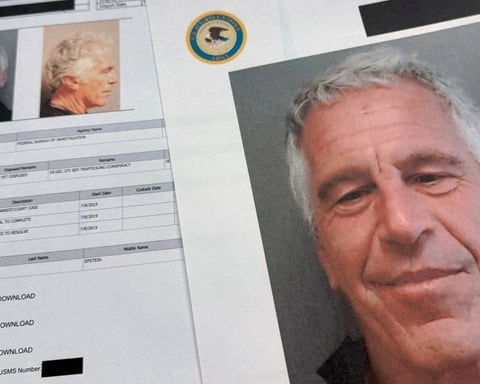
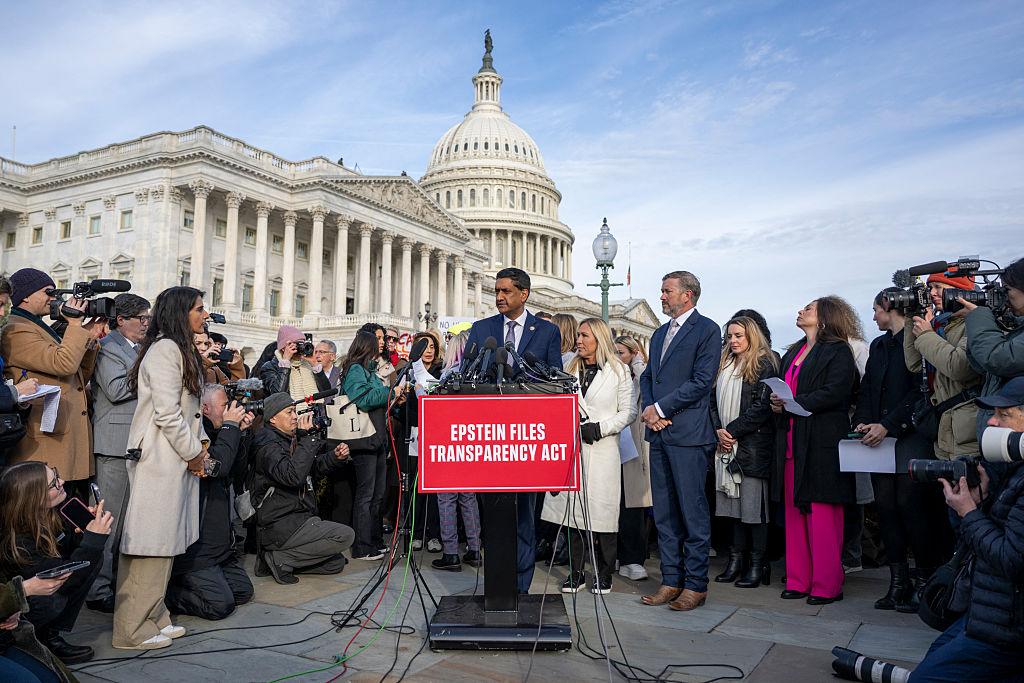
At the center of the investigation is a growing archive of disclosures tied to the Epstein Files, including emails, financial records, and internal communications. Lawmakers have intensified pressure following developments such as the subpoena to Attorney General Pam Bondi, signaling a widening probe into potential institutional failures.
However, transparency remains incomplete. Lawmakers continue to question whether critical materials remain hidden, even as more documents are released.
A Pattern of Denial
Indyke is not alone. Across multiple testimonies, insiders have maintained that they were unaware of Epstein’s criminal activities. The longtime lawyer denied knowledge of abuse, echoing a pattern that has only fueled skepticism among investigators.
Meanwhile, scrutiny has expanded beyond the US, with investigators examining links to global elite networks that may have intersected with Epstein’s operations.

Victims, Settlements, and the Cost of Silence
As legal battles continue, victims remain at the center of the story. Financial settlements have provided some relief, but many argue they fall short of delivering full accountability.
The broader narrative, shaped by millions of pages from the Epstein Files, continues to evolve, revealing new layers of complexity with each disclosure.
Political Tensions and the Road Ahead
The investigation has also exposed deep political divisions, with competing narratives emerging over responsibility and accountability. Yet there remains a shared acknowledgment that the case represents a systemic failure that extends far beyond any single individual.
Future hearings, additional testimonies, and ongoing document releases are expected to shape the next phase of the investigation.
The Unanswered Questions
Despite years of scrutiny, key questions remain unanswered. Why were warning signs ignored? What role did financial and legal advisors play? And how much information is still concealed?
For now, the Epstein Files continue to expand, offering fragments of truth in a case that remains far from resolved.
A Defining Test of Accountability
The Epstein scandal has become a defining test of accountability within systems of power. As investigations deepen and more evidence emerges, the question is no longer whether failures occurred, but how far they extend.
The answers may ultimately lie buried within the vast and still-unfolding archive of the Epstein Files.