
NEW YORK — For the first time since 2021, Amazon Prime Day will not happen in July. The four-day sale, scheduled for June 23 through June 26, lands in a month shoppers rarely associate with the year’s biggest tech discounts — and the company has already started proving the timing was not arbitrary.
An Amazon spokesperson told CNBC Select that the company evaluates Prime Day timing each year and determined that moving the event earlier in the summer was the best fit for customers in 2026. That is the official line. The operational reality is somewhat more interesting: early deals are already running, some Apple products are sitting at their lowest prices of the year, and the move puts Amazon in direct competition with Target’s Circle Week — which is happening at nearly the same time.
What that means for anyone watching the calendar: the window to buy Apple Watch Series 11, iPad, and wearables from Garmin and Samsung at a genuine discount is open right now, two weeks before the sale formally kicks off. Whether that window stays open through June 26, or whether the best prices disappear before Prime Day arrives, is the question shoppers actually need answered.
Amazon confirmed in its announcement that Prime Day 2026 spans 26 countries, with savings across more than 35 product categories. The company has described this year’s focus areas as electronics, clothing, beauty, kitchen, home and fresh groceries. Amazon’s own device ecosystem — the Echo Dot Max, Echo Show 11, Kindle, Ring Camera and Fire TV models — is already discounted by up to 65 percent, consistent with how every Prime Day has opened for years. The Ring Battery Doorbell and Fire TV Stick HD were the two best-selling items at last year’s event, and both are marked down again.
The Apple discounts, however, are the ones worth watching most carefully. A 25 percent discount on any Apple product is, as multiple retail analysts have noted, genuinely unusual. The 42mm Apple Watch Series 11 is currently available for $299 — $100 off its standard price — with $100 to $140 savings across multiple styles, including 46mm case options and GPS plus Cellular models. Eastern Herald’s earlier coverage of Apple’s Memorial Day discounts in May noted how infrequently the company’s hardware crosses the 20 percent threshold; this exceeds it.
Tablets are moving too, though unevenly. The iPad Pro M5 is currently $100 off at the 11-inch configuration, bringing the entry point below $900. The 13-inch iPad Air M4, released last year, is available for under $750 after a $50 discount. For buyers who do not need the professional-tier hardware, the 11th-generation iPad with the A16 chip is at $299 — a figure that price tracking service CamelCamelCamel identifies as close to its 2026 floor. The iPad mini with the A17 Pro chip, which hit $349 during last holiday season, has not yet returned to that level; analysts who track Apple pricing expect it to approach but not match that record during the June event.
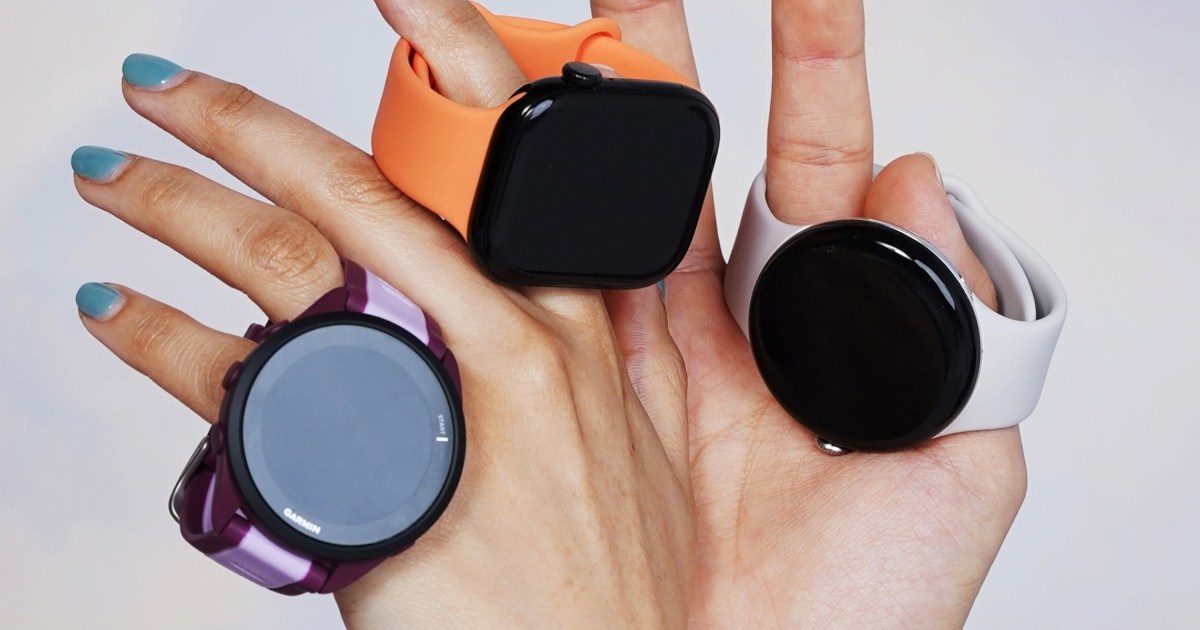
For shoppers whose interest runs toward fitness tracking rather than Apple’s ecosystem, the wearables market is producing unusual movement. NBC News Select, whose reporter Harry Rabinowitz covers the wearables category full-time, reported this week that several smartwatches are at their lowest prices of 2026 ahead of the sale, with some matching multi-year lows. Eastern Herald covered a significant Garmin Venu 4 price drop in May, which itself was described at the time as a record low for that model — suggesting that pre-Prime Day pressure has been building in the wearables segment for weeks.

Samsung’s Galaxy Tab lineup is similarly active. The Galaxy Tab A11+ has already been discounted ahead of the event, and the Galaxy Tab S-series models are expected to follow once the official sale window opens. The competitive pressure between Apple’s iPad line and Samsung’s Galaxy Tab offering has historically produced some of the steeper discounts of any Prime Day — each brand’s promotions tend to accelerate in response to the other’s pricing moves over the course of a four-day sale.
The June timing, for its part, is not without historical precedent. Prime Day ran in June in 2021, and the 2020 event — held in October during the height of the pandemic — produced what Amazon described at the time as its best sales figures to that point. The 2025 event, which ran July 8 through 11, set a new record, which Amazon cited when announcing this year’s sale. What the company has not said publicly is whether the June shift is a permanent calendar realignment or a one-time decision. That ambiguity matters for shoppers with a longer planning horizon: if Prime Day returns to July in 2027, this June edition becomes the rare buying window to exploit rather than the new normal to plan around.
TechCrunch reported that Amazon told CNBC the shift toward groceries and household essentials as a Prime Day focus reflects a meaningful change in how shoppers use the event — less about treating oneself to a new gadget and more about stocking up on items with everyday purchase frequency. That framing may be accurate as a trend, but in the electronics category, the pattern from prior years is clear enough: the best prices on Apple hardware, premium wearables, and tablets have consistently appeared either in the 48 hours before Prime Day officially opens or in the first 12 hours of the sale itself, before inventory thins.
Eastern Herald’s earlier reporting on the MacBook Air M5 price crashes that swept the market in May showed how quickly Apple’s premium laptop line can move when discounts open simultaneously across multiple retailers. The same dynamic is likely to apply to Apple Watch and iPad inventory during the June event — demand spikes faster than stock replenishes.
Prime Day 2026 opens at 12:01 a.m. Pacific Time on June 23. What remains genuinely unclear is whether the deals available today — at pre-event pricing — will still be present when the clock turns. The answer, based on five years of Prime Day data, is: probably not. The early window is the inventory window.