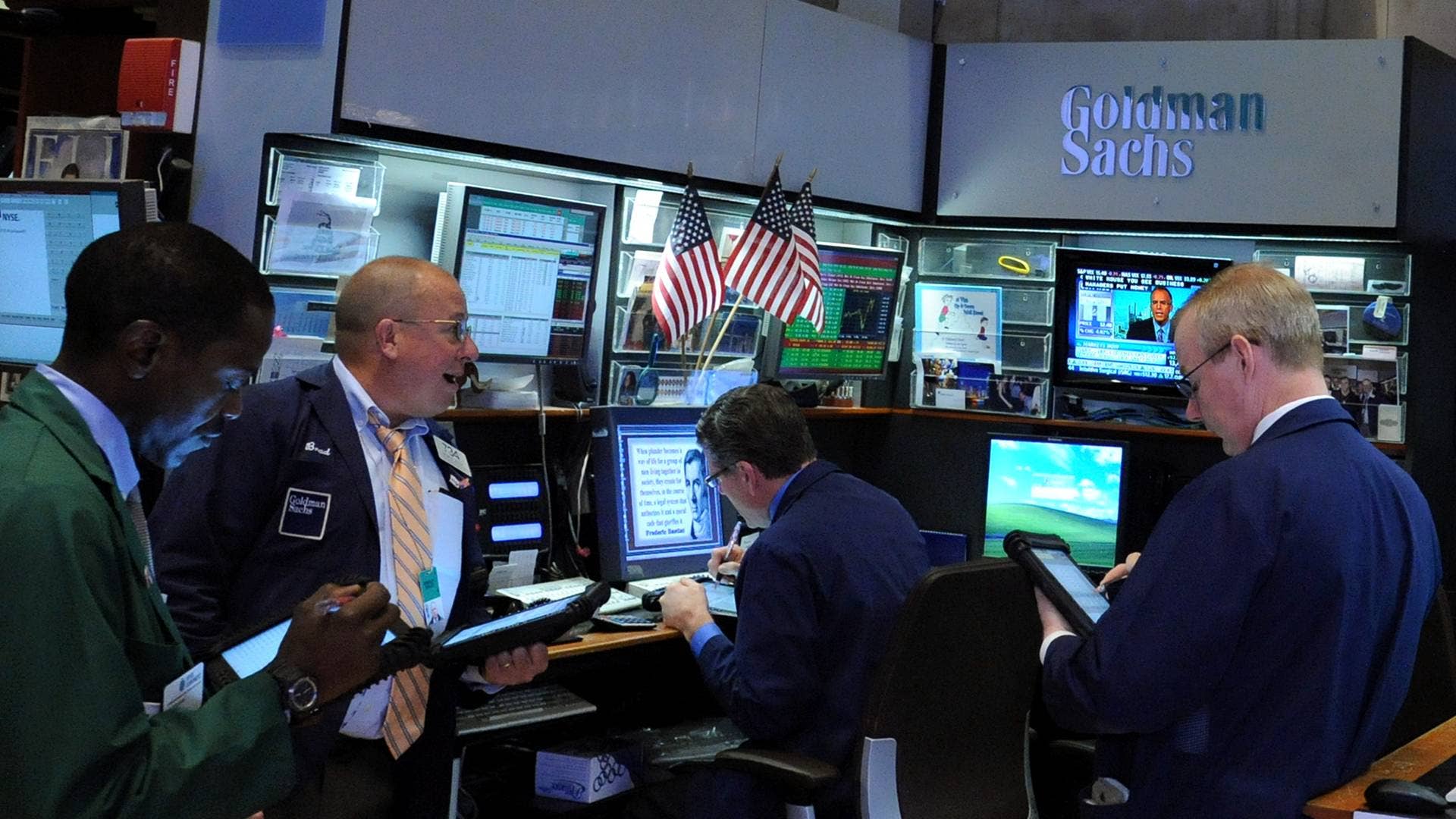
Global financial markets staged a dramatic rebound this week, with the Dow Jones Industrial Average surging more than 600 points, as a temporary pause in escalating tensions between the United States and Iran triggered a wave of cautious optimism across Wall Street. Yet beneath the rally lies a deeper unease, as oil price volatility, geopolitical uncertainty, and fragile economic signals continue to cast a long shadow over global markets.
The rally, which saw the Dow climb approximately 631 points, was fueled largely by a surprise announcement indicating a delay in planned military strikes on Iranian infrastructure. The move sent oil prices sharply lower and sparked what analysts described as Wall Street rallies after delayed US strikes on Iran, driving a broad-based surge in equities.
Investors, who had been bracing for prolonged escalation, reacted swiftly. The S&P 500 and Nasdaq Composite also posted gains exceeding 1 percent, reflecting renewed risk appetite across sectors. However, the optimism proved fragile as conflicting narratives emerged, reinforcing that global markets remain volatile amid Iran conflict.
This volatility is not new. Earlier this month, global stock market crash fears intensified as oil surged and central banks signaled caution. The current rally, therefore, reflects a fragile rebound rather than a structural shift.
Oil Prices: The Real Market Driver
At the heart of the volatility lies the global oil market. Prices have become the primary transmission mechanism through which geopolitical tensions influence equities.
Following the announcement of delayed strikes, crude oil prices plunged more than 10 percent, reinforcing the narrative that oil prices plunge after US delays strikes on Iran. However, the decline was short-lived. As tensions resurfaced, oil rebounded sharply, underlining persistent supply fears.
The market has already experienced extreme swings. In previous sessions, global market panic gripped investors as crude surged and equities tumbled.
Analysts warn that disruptions in critical energy routes continue to threaten supply chains, with long-term implications highlighted in reports where oil executives warn of long-term damage from Iran war. This reinforces the central role of energy markets in shaping investor sentiment.
Global Markets Caught in the Crossfire
The ripple effects of the US-Iran conflict extend far beyond Wall Street. Global markets have become increasingly synchronized in their response to geopolitical developments.
In India, equities surged sharply, mirroring global optimism. Analysts noted that Indian markets surge as global tensions ease, highlighting the interconnected nature of financial systems.
Yet the recovery remains uneven. European and Asian markets continue to reflect underlying fragility, with investors responding to each geopolitical signal. This mirrors earlier trends where global stock markets plunge as Iran conflict triggers oil shock, underscoring recurring patterns of instability.
Indeed, markets have repeatedly swung between optimism and fear, consistent with broader reports that stock markets swing after US delays strikes on Iran. These rapid reversals have become the defining feature of the current cycle.
A War Reshaping the Global Economy
The economic implications of the conflict extend far beyond daily market movements. Rising energy prices are feeding into inflation, supply chains, and business activity worldwide.
Recent data indicates that US business activity slips to 11-month low, reflecting the growing toll of the conflict on economic growth.
At the same time, markets have shown resilience in bursts. Episodes such as Wall Street rebounds as oil crash sparks AI-led stock surge demonstrate how quickly sentiment can shift when oil prices retreat.
Still, economists warn that inflation pressures remain elevated, limiting the ability of central banks to respond aggressively. This creates a complex policy environment in which growth and price stability are increasingly at odds.
Markets Driven by Headlines, Not Fundamentals
Perhaps the most striking feature of the current environment is the extent to which markets are being driven by geopolitical developments rather than traditional economic indicators.
Even minor developments can trigger significant reactions. Reports highlighting that Dow jumps 631 points as de-escalation hopes lift markets illustrate how quickly sentiment can turn on a single headline.
This has created an environment where volatility is persistent and confidence remains fragile. The pattern of sharp rallies followed by equally rapid declines reflects a market searching for direction in an uncertain geopolitical landscape.
A Market on Edge
The recent surge in the Dow offers a glimpse of the market’s capacity for rapid recovery. But it also underscores the fragility of the current environment.
Behind the headline gains lies a deeper reality: markets are navigating one of the most complex geopolitical and economic environments in recent history. The interplay between war, oil, and monetary policy continues to define investor behavior.
For now, the message is clear. This is not a stable rally, but a reactive market shaped by uncertainty. As tensions evolve, global markets will remain on edge, closely watching every development that could shift the balance once again.