TOLEDO, Ohio — The music had been playing all afternoon at the Agnes Reynolds Jackson Arboretum when, just after 5:30 p.m., Kevin Berry heard a handful of gunshots. He looked up from where he was sitting with friends to see a gun hit the ground less than 50 feet away. Festival officers who had been stationed at the Old West End Festival were already running toward the sound.
By nightfall, 12 people had been shot. Two were in critical condition. The gunmen — at least two of them, Toledo police said, probably firing at each other — were still at large.
The victims ranged in age from 14 to 61, with most in their twenties, according to police. No names were immediately released. No descriptions of the suspects had been provided as of late Saturday night, and no motive had been identified.
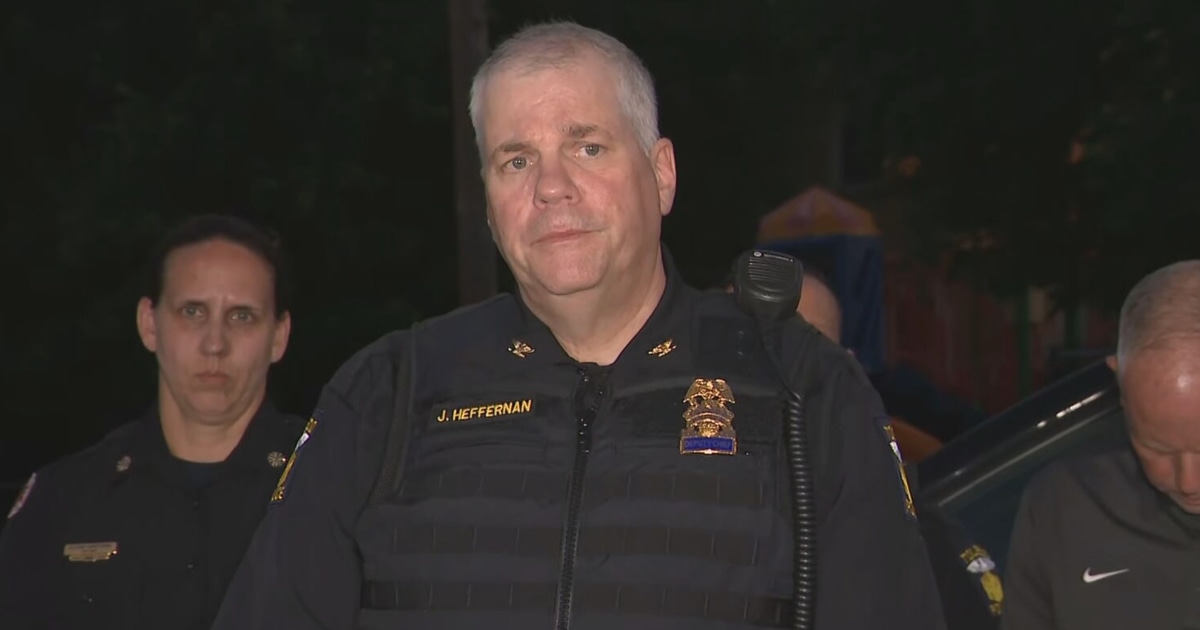
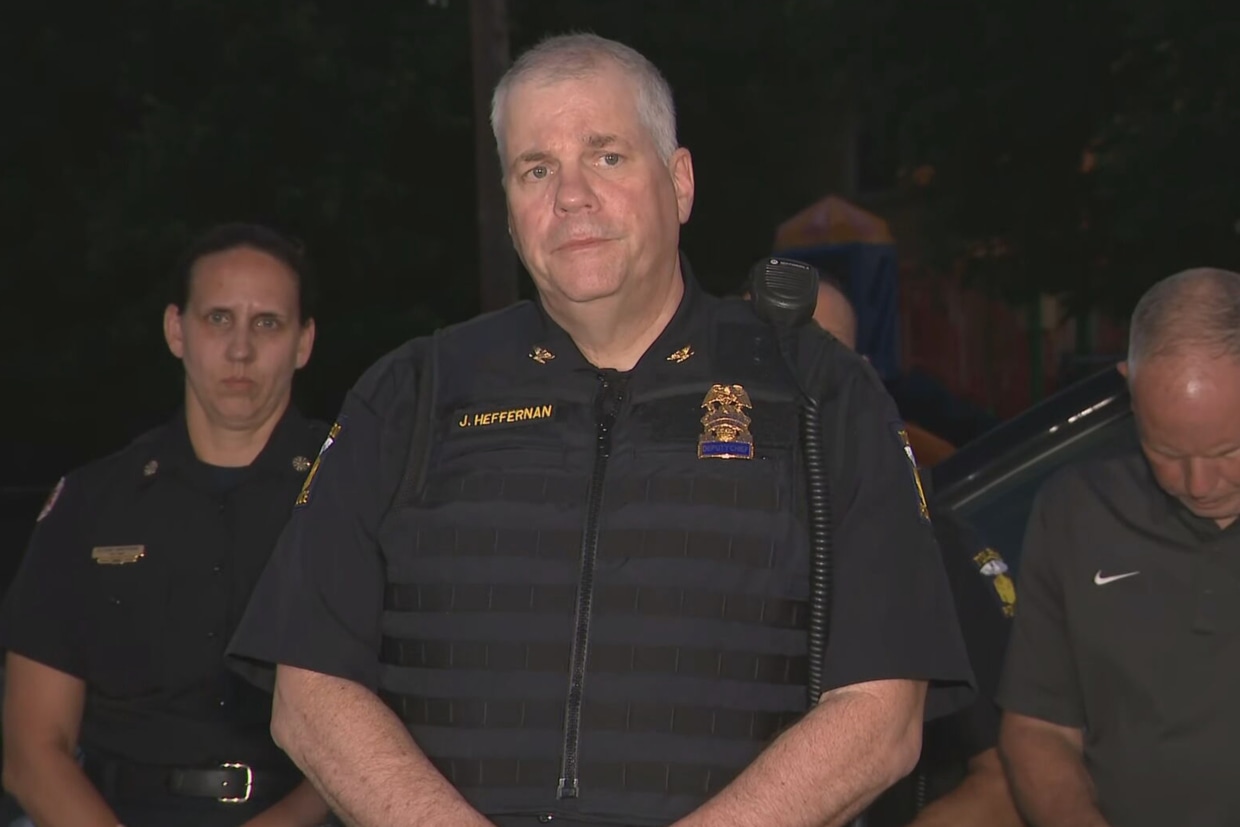
“They were probably shooting at each other,” Deputy Police Chief Joseph Heffernan told reporters at a joint news conference late Saturday, standing alongside the city’s fire chief and director of public safety. The department said it had secured the scene and was actively canvassing for witnesses, urging anyone who had recorded video on a cell phone to come forward.
Investigative Lt. Dan Gerken, who has worked shootings across Toledo for years, put the evening’s toll in blunt terms. “As far as violence, this is over the top,” he said. “A bunch of people were out there that can probably help us with our investigation.”
The Old West End Festival is entering its 53rd year. It is, by the city’s own accounting, the unofficial start of Toledo’s summer festival season — a two-day gathering of live music, food vendors, home tours through one of the largest concentrations of Victorian-era houses in the United States, and the sort of multigenerational neighborhood ritual that does not easily reconstruct itself after an evening like Saturday’s. Organizers announced that Sunday’s events were canceled, a decision made in consultation with city officials and law enforcement.
Witness accounts pointed to sudden, disorienting chaos. Two festivalgoers who spoke to local station WTOL described the scene as “pandemonium.” “Once I heard, ‘Everybody get back,’ everybody was falling, everybody tripping, couldn’t see what it was, couldn’t see nothing,” one man who asked not to be named told the station.
Toledo Mayor Wade Kapszukiewicz acknowledged the weight of what the city was absorbing. “What happened today at the Old West End Festival, sadly, has happened in too many American cities,” he wrote on Facebook. “Toledo has faced more adversity over the years than most cities, and our citizens always rally together and pull through.” He did not address the specifics of the investigation or whether the city had prior intelligence of a threat at the event.
Ohio Governor Mike DeWine issued a statement from the state capital. “I am deeply concerned about the situation in Toledo tonight,” he wrote. “Summer festivals should be safe spaces for families to spend time together without fear of violence.” His statement did not indicate whether state law enforcement resources had been offered to Toledo police. Congresswoman Marcy Kaptur, who represents the district, called for federal coordination, saying she would work with local, state, and federal officials to get “the answers it desperately needs.”
https://twitter.com/GovMikeDeWine/status/1931085000000000000
What the official statements did not address — and what police had not answered as of late Saturday — was whether the shooting originated inside the festival grounds or in the surrounding streets, and whether the two gunmen had any connection to the event itself or arrived with the crowd as cover. That distinction carries practical weight: it determines whether future editions of the festival can be secured by perimeter control alone, or whether the threat was embedded within the attendee population.
The Gun Violence Archive, which tracks incidents independent of law enforcement reporting, has recorded more than 170 mass shootings in the United States in 2026 alone. The Toledo incident fits a pattern that has recurred with particular frequency at outdoor public gatherings — county fairs, Juneteenth celebrations, summer concerts — where open-access perimeters and large crowds make targeted interdiction difficult. What distinguishes Saturday’s shooting from several recent incidents is the apparent nature of the exchange: police believe the gunfire was not directed at the crowd but erupted between two parties who happened to be among it, transforming bystanders into victims of a dispute that had nothing to do with the festival.
That distinction does not make the 14-year-old among the wounded any less shot. It does, however, complicate the question of what could have been done differently — and what Toledo’s political leadership will be asked to answer for in the days ahead. The investigation was ongoing. No suspects had been named. The arboretum that hosted the festival, on a quiet residential stretch of Toledo’s historic district, remained a crime scene.
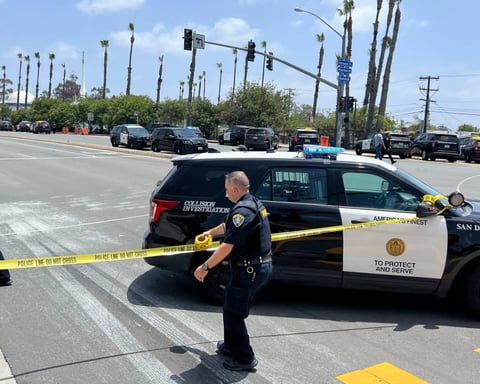
The San Diego mosque shooting in May and the killing of a security guard at an Islamic center earlier that month were among the mass violence incidents that preceded Toledo this summer, a period in which public spaces — houses of worship, now a neighborhood arboretum — have absorbed gunfire with little political resolution. Whether the Toledo shooting renews any legislative conversation in Columbus or Washington remained, by Saturday night, an open question that no official had moved to answer.