
TEHRAN — The number that matters most to millions of Iranians right now is not a battlefield casualty figure or a diplomatic cable. It is 7,000 megawatts. That is the scale of generation capacity the country’s own officials say was wrecked during the 40-day campaign waged by the United States and Israel between February 28 and April 8 — and the summer heat that strains every kilowatt is already arriving.
Mustafa Recebi Meşhedi, Iran’s deputy energy minister, put a precise figure on the damage in remarks to the Mehr news agency on Sunday, June 7. About 7,000 megawatts of electricity generation capacity sustained heavy damage during the war, he said, representing roughly 7 percent of Iran’s total installed capacity of approximately 100,000 megawatts. Of that, he said, some 2,500 megawatts had been repaired and returned to the national grid. The rest remained offline as the country heads into the season when air-conditioning demand historically pushes consumption to crisis levels.
The admission is the most detailed official accounting to date of what the strikes cost Iran’s civilian energy system. Energy Minister Abbas Aliabadi had described the damage as severe in a statement carried by ISNA news agency back in late March, noting that the operations had “destroyed parts of critical water supply networks” alongside electricity infrastructure. What Sunday’s disclosure adds is a specific megawatt figure — and the arithmetic of how far the recovery still has to go.
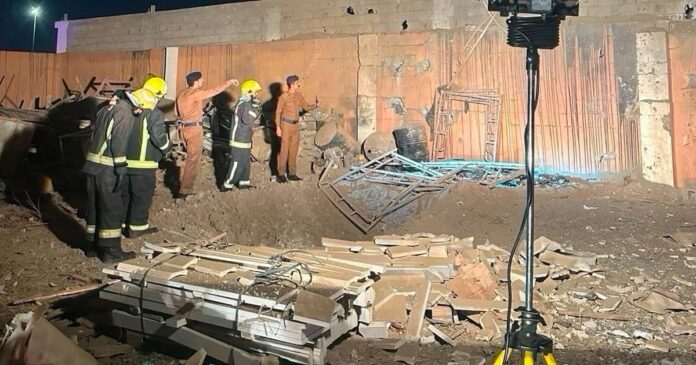
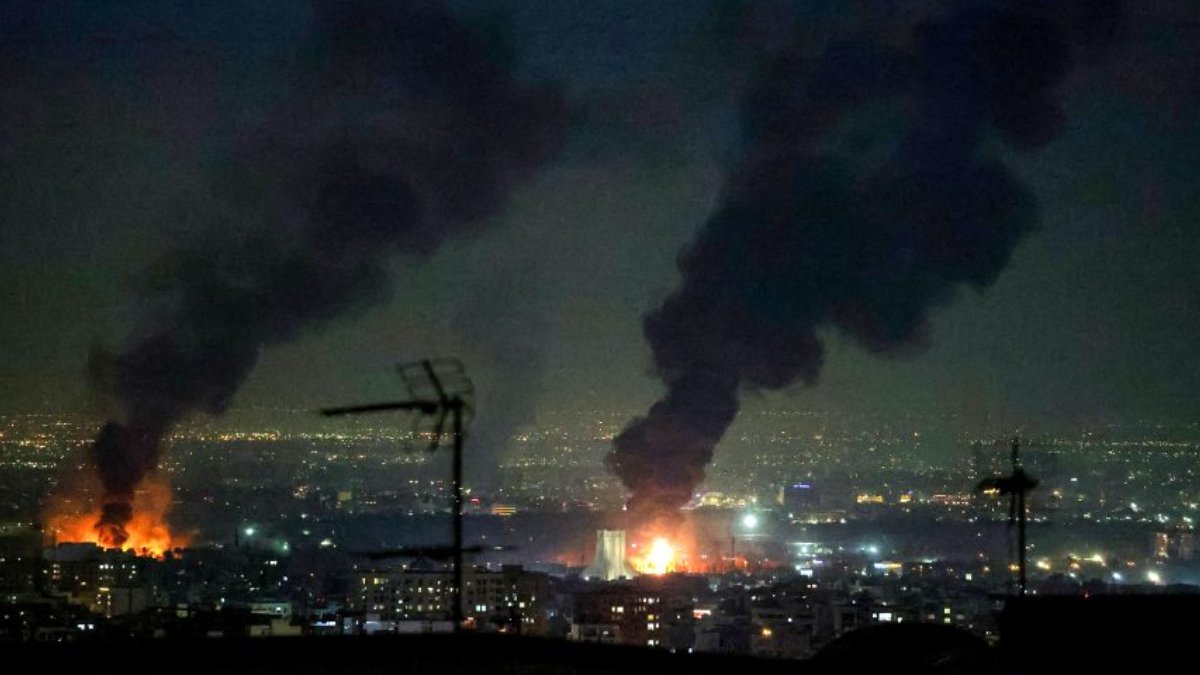
During the conflict, Iran International reported that shrapnel from strikes had cut power to neighborhoods in western Tehran and the city of Karaj after hitting substations in Alborz province. According to Iran News Update, around 2,000 network zones were exposed to direct strikes while more than 6,400 transmission line segments and equipment points sustained serious damage. Iranian officials at the time described what they characterized as a deliberate campaign against civilian infrastructure, framing it alongside the strike on South Pars, the world’s largest natural gas field, which Israeli forces hit on March 18 and which Iranian officials said disrupted 12 percent of the country’s total gas production.
The Atlantic Council, analyzing the campaign before its final phase concluded, had warned that striking electricity and water infrastructure would primarily harm civilians rather than degrade Iran’s military. Iran supplies roughly a third of Iraq’s natural gas and power needs, the analysis noted, meaning grid damage in Iran carried knock-on risks for neighboring countries that had not participated in the conflict. That dimension of the harm has received far less attention than the battlefield tolls.
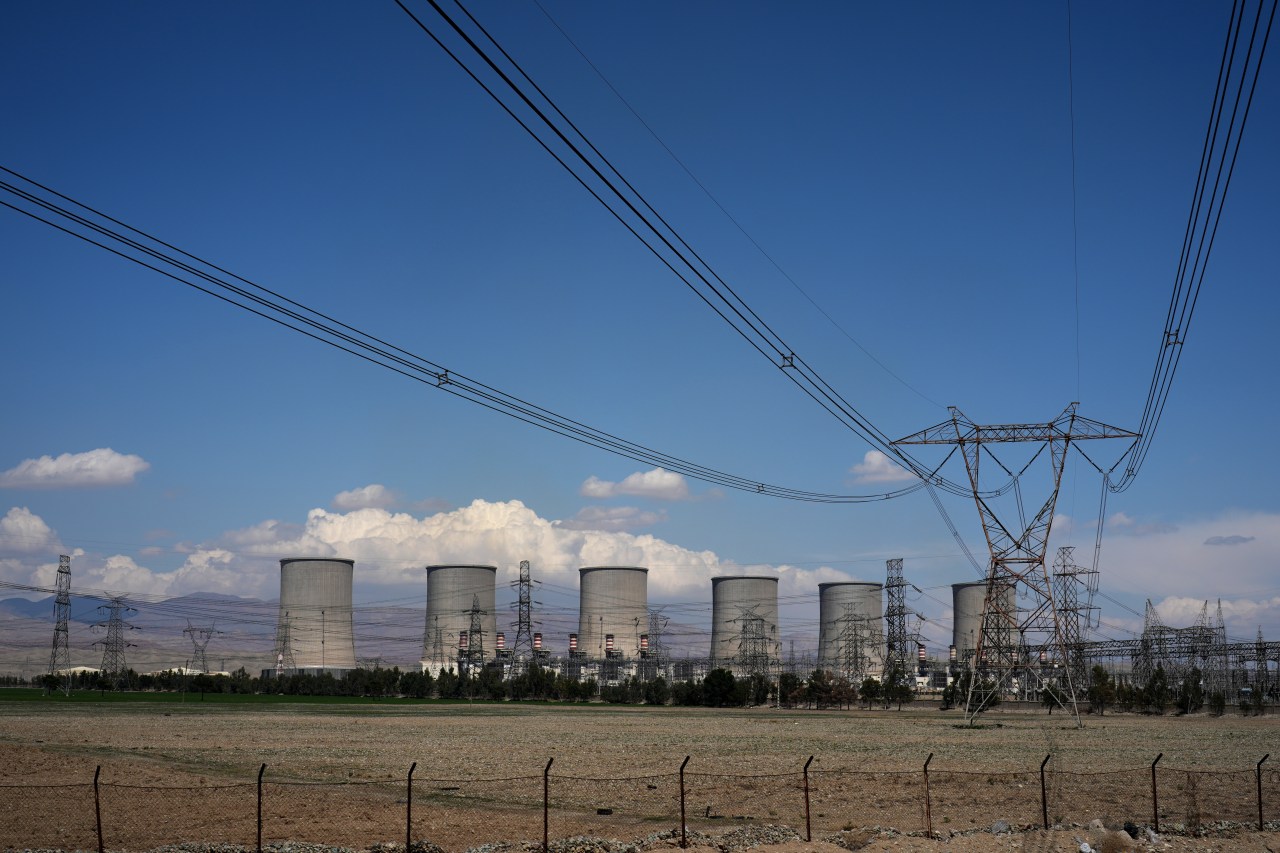
What Recebi Meşhedi did not disclose was which facilities were hit, where the damaged plants are located, or what the repair timeline looks like for the remaining 4,500 megawatts still off the grid. That silence is its own signal. With temperatures in cities like Ahvaz routinely exceeding 50 degrees Celsius in July and August, a 7 percent reduction in generation capacity does not stay an abstract engineering problem for long. It translates into rolling blackouts, industrial shutdowns, and the kind of public anger that has driven street protests in every recent summer when the lights failed.
Iran’s Vice President Ismail Sekab Isfahani had already flagged the coming crisis in early May, warning that electricity cuts this summer would likely be more severe than in previous years because of war damage to energy infrastructure, and urging citizens to reduce consumption. President Masoud Pezeshkian was more blunt: “If ten lights are on at home, what is the harm in keeping only two on?” The appeal to austerity in a country where blackouts were already a chronic grievance before the war carries a particular political weight.
The backdrop matters here. Iran’s electricity sector was struggling before the first strike. Sanctions had blocked access to modern turbine technology and financing for years. Droughts had reduced hydroelectric output. Cryptocurrency mining had absorbed grid capacity the government could not easily claw back. The country was already operating with a structural deficit between peak demand and available supply heading into summer 2026. The war layered 7,000 megawatts of additional damage onto a system that had no margin to absorb it.
The South Pars gas strike in March added a secondary layer of pressure that feeds directly into electricity generation. Iran relies heavily on gas-fired plants for power production, and with 12 percent of national gas output disrupted by the Asaluyeh attack, the fuel supply for those plants was simultaneously squeezed. How much of the 4,500 megawatts still offline owes to direct physical damage versus fuel constraints remains unclear from the official statements.
The United States has not publicly addressed the specific power plant damage figures. During the conflict, President Donald Trump had repeatedly threatened to strike Iranian power plants if Tehran failed to reopen the Strait of Hormuz within specified deadlines, according to reporting by AFP and carried by multiple news outlets. The April 8 ceasefire announcement by Trump ended major combat operations before those specific threats were carried out in full — but Iranian officials have consistently maintained that power infrastructure was nonetheless deliberately targeted.
What the disclosure does not answer is whether the 2,500 megawatts restored so far represents the easy repairs — substations and transmission equipment that can be replaced from domestic stocks — or whether the harder work of rebuilding generation capacity itself has begun. Iran’s procurement options for heavy turbines and power plant components remain severely constrained by the sanctions architecture that predates the war and which the ceasefire has not removed. Tehran has not said where it plans to source the equipment needed for the remaining repairs, or how long it expects that to take.
It is summer. The air conditioners are turning on. The grid that answers them is, by the government’s own count, operating 7 percent below where it stood before February 28. Whether 2,500 megawatts of restored capacity closes enough of that gap is a question Iran’s citizens will answer themselves, in the dark, before the season ends.