Global oil markets were thrust into renewed turmoil on Tuesday as Brent crude surged past the psychologically critical $110-per-barrel threshold, marking one of the sharpest single-day gains in recent years and signaling a deepening crisis in global energy supply.
According to trading data, Brent futures for May delivery jumped more than 7% to $110.56 per barrel, reflecting mounting fears that escalating conflict in the Middle East could severely disrupt the flow of crude.
The surge comes amid intensifying geopolitical tensions centered around Iran, where attacks on Iran’s South Pars gas field have sent shockwaves through global markets. Analysts say the rally is not merely speculative but rooted in a rapidly deteriorating supply outlook that threatens to tighten global oil availability in the weeks ahead.

A Supply Shock Unlike Routine Market Volatility
The current spike in oil prices differs significantly from typical fluctuations driven by seasonal demand or macroeconomic trends. Instead, it reflects what analysts increasingly describe as a true supply shock triggered by direct disruptions to production and transportation infrastructure.
Recent attacks on energy infrastructure have underscored the vulnerability of critical supply nodes. Facilities that once underpinned stable global supply are now at the center of an escalating conflict that threatens to spiral beyond control.
At the same time, Iranian officials have warned that energy infrastructure across the Gulf region could become targets, raising fears of a broader regional escalation.
The Strait of Hormuz: A Chokepoint Under Threat
At the center of market anxiety lies the Strait of Hormuz, a narrow maritime passage through which approximately one-fifth of the world’s oil supply flows daily.
Any disruption to this critical artery has historically triggered sharp price spikes, and current conditions suggest the risk is far from hypothetical. Reports indicate that tanker flows have already been disrupted, with some shipments rerouted or delayed due to rising security threats.
Analysts estimate that millions of barrels per day could be removed from global supply if tensions escalate further, creating a deficit that alternative producers would struggle to offset.
From Stability to Crisis in Weeks
The speed of the current rally underscores the severity of the unfolding crisis. Oil prices, which were trading near $60 just weeks ago, have surged dramatically as conflict intensified across the Middle East.
This rapid escalation reflects a market that has shifted from relative stability to extreme volatility almost overnight. Traders are now navigating a landscape dominated by geopolitical risk rather than traditional supply-demand fundamentals.
Global Economic Fallout Looms
The surge in oil prices is already reverberating across global energy crisis dynamics, raising serious concerns about inflation and economic stability.
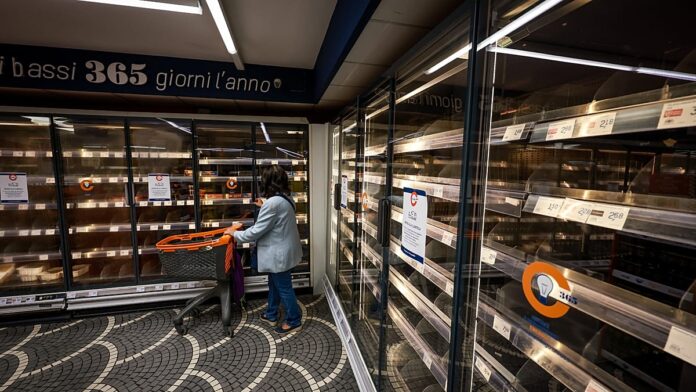
Higher crude prices are translating into rising fuel costs worldwide, putting pressure on households, industries, and governments alike. Economists warn that sustained prices above $100 per barrel could trigger a new wave of inflation across major economies.
At the same time, global economies, raising concerns about inflation are forcing central banks into difficult policy decisions.
Meanwhile, financial markets have reacted with heightened volatility, as investors reassess risk in light of escalating tensions.
Energy Infrastructure Becomes a Battlefield
A defining feature of the current crisis is the shift toward direct attacks on energy infrastructure. Unlike previous conflicts, where supply disruptions were indirect, recent developments have placed oil and gas facilities at the center of military escalation.
This transformation has significantly increased the risk premium embedded in oil prices, as traders account for the possibility of further attacks and prolonged instability.
Reports indicate that both sides have intensified strikes on critical facilities, reinforcing fears that the conflict could expand across the region.
Global Energy Markets Under Pressure
The crisis is also reshaping global energy markets, with countries scrambling to secure alternative supplies and reduce exposure to Middle Eastern routes.
India, China, and several European nations are exploring diversified import strategies, including increased reliance on Russian and African crude.
Meanwhile, energy producers are attempting to reroute shipments through alternative corridors, though these efforts remain limited in scale compared to the volume typically transported through the Gulf.
A New Era of Volatility
The current surge marks what many analysts describe as a turning point for the global energy system. The era of relatively stable oil prices appears to have given way to a period defined by geopolitical risk and structural uncertainty.
The global energy shock now unfolding is likely to have lasting implications, not only for markets but also for global economic policy and energy strategy.
As Brent crude remains above $110, the central question facing markets is no longer whether supply disruptions will persist, but how severe and prolonged they will become.
With tensions continuing to escalate and critical infrastructure under threat, the global oil market is entering one of its most uncertain periods in decades.