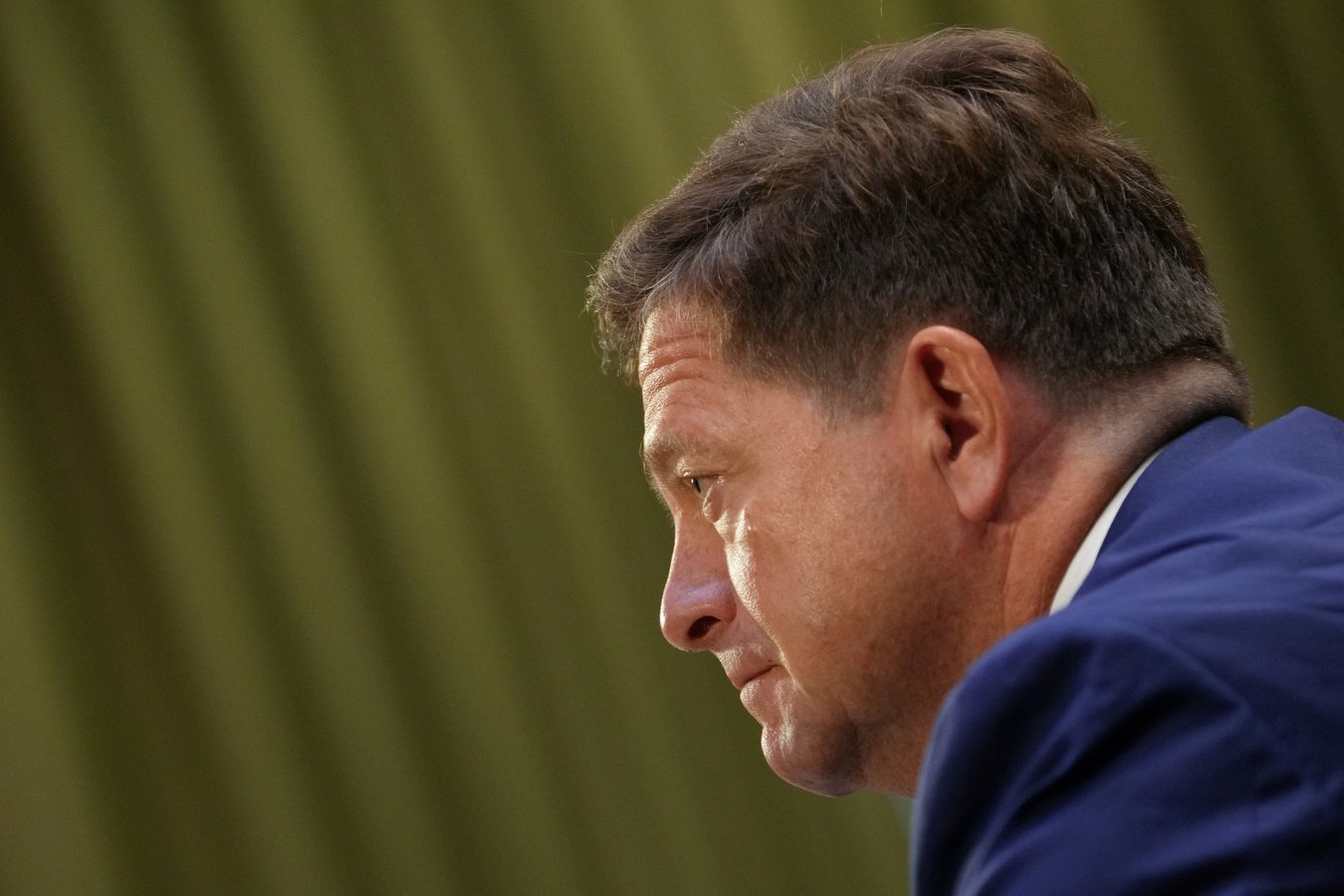

WASHINGTON – The Senate confirmed Jay Clayton as Director of National Intelligence on Monday by a 51-47 party-line vote, handing the Trump administration control over the nation’s seventeen-agency intelligence apparatus and completing a confirmation process that began when the administration’s first choice for the job helped sink a marquee spy law.
Every Republican present voted to confirm. Every Democrat voted no. The result was expected and had been guaranteed by arithmetic since the Senate Intelligence Committee advanced Clayton’s nomination on a party-line vote last week, but it marks a consequential outcome: the Director of National Intelligence now serves a president whose loyalty requirements Clayton demonstrated publicly at his own confirmation hearing.
Clayton comes to the DNI post by a circuitous route. He served as chairman of the Securities and Exchange Commission during Trump’s first term, then agreed to serve as the US attorney for the Southern District of New York when Trump returned to office. From that perch he was nominated to lead US intelligence after Trump’s initial pick, Bill Pulte, became a liability when Republican senators refused to renew Section 702 of the Foreign Intelligence Surveillance Act rather than do so with an unqualified intelligence director in the top post. Clayton, in that context, was the credentialed substitute whose primary qualification was that he would not cause a second rebellion.
His confirmation hearing before the Senate Intelligence Committee produced the sharpest moment of the entire process. Asked whether Joe Biden had won the 2020 presidential election, Clayton declined to answer directly. He said the results had been certified through appropriate channels. Senator Jon Ossoff described it as humiliating. Senator Mark Warner, the committee’s senior Democrat, announced that he would not vote to confirm Clayton under any circumstances, calling the evasion disqualifying for someone who would oversee intelligence operations designed to protect American elections from foreign interference. Clayton’s election evasion at the hearing became the central Democratic objection: a DNI who will not affirm the last election’s legitimacy is imperfectly positioned to lead the apparatus that detects and responds to foreign attempts to manipulate the next one.
Republicans offered the opposite interpretation. Clayton’s caution on a politically charged question was evidence, they argued, of the restraint appropriate for a senior intelligence official. His record at the SEC was broadly praised across party lines. His management of the Southern District of New York, while controversial in certain appointments, produced no widely condemned outcomes. The confirmation went forward and the count held.
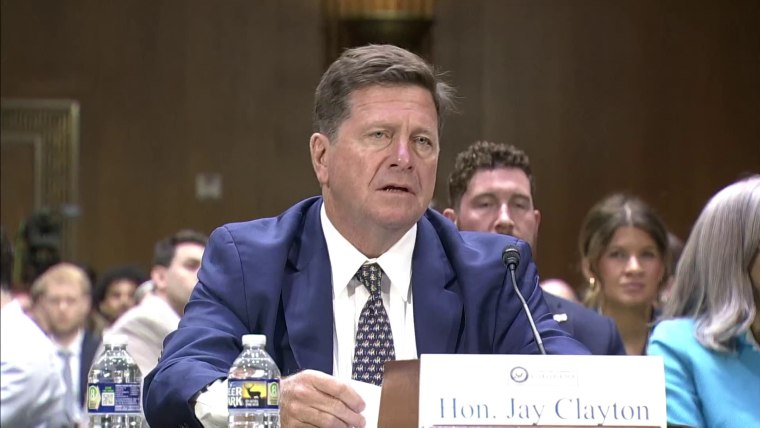
The DNI position oversees the CIA, the National Security Agency, the Defense Intelligence Agency, and fourteen other intelligence entities. The director produces the President’s Daily Brief, coordinates information-sharing across agencies, and represents the intelligence community to Congress. The job’s actual influence depends heavily on the relationship between the director and the president, which in this case is the reason Clayton has it.
His confirmation now sets up a second political question: the renewal of Section 702, the warrantless surveillance tool that expired in June when the House refused to extend it in protest of the Pulte appointment. Clayton’s arrival as a more credentialed director reopens the possibility of a floor vote on the renewal, which the administration needs and which some members had tied directly to the intelligence community’s leadership question, NBC News reported. Whether enough Democrats will support the renewal now that the personnel obstacle is resolved remains unclear.
Clayton’s departure from the Southern District of New York creates a vacancy that Trump will fill. SDNY has historically operated with an unusual degree of independence from political direction, a function of its Manhattan jurisdiction and the complexity of the financial and corruption cases it handles. The next US attorney will be the administration’s choice and will serve at the president’s pleasure. Clayton’s transition from that office to the DNI post extends administration influence into two institutions simultaneously.
Trump hailed the confirmation, calling Clayton a brilliant choice who would make the intelligence community the best in the world. Democratic senators said after the vote that they would continue pressing for answers Clayton declined to provide at his hearing: his approach to intelligence assessments that conflict with White House political positions, his commitment to briefing Congress on sensitive matters the executive branch considers politically inconvenient, and his willingness to protect intelligence community whistleblowers. Whether Clayton addresses those questions substantively, or whether his tenure tracks the administration’s political requirements, is the central question his confirmation opens without answering.