
DETROIT — General Motors spent years and billions building the capacity to make batteries for electric cars. The cars have not sold as fast as the bet required. So the company is doing the only thing that makes sense with a factory full of cells and not enough vehicles to put them in: it is selling the batteries to something that cannot get enough of them, the electricity grid.
The plan, which GM laid out this week, turns a problem into a product. Demand for grid-scale energy storage is now outrunning demand for EV batteries, the company says, and it intends to supply both businesses and the power system itself with stationary battery packs. It is repurposing production it had built for vehicles, using its Ultium Cells joint venture to make cheaper lithium-iron-phosphate storage cells, developing sodium-ion batteries with a partner for substations and data centres, and reusing worn EV packs as grid storage through a deal with Redwood Materials.
What is driving the shift is the thing driving almost everything in American industry right now: artificial intelligence. The data centres training and running AI models are consuming electricity faster than the grid can deliver it, and storage is the missing piece that keeps an overloaded system from failing. The North American grid regulator warned in January that summer peak demand could rise by some 224 gigawatts over the next decade, with data centres a leading cause, and that most of the regions it studies could face shortfalls. GM, sitting on idle battery capacity, has found itself holding exactly what that crisis needs.
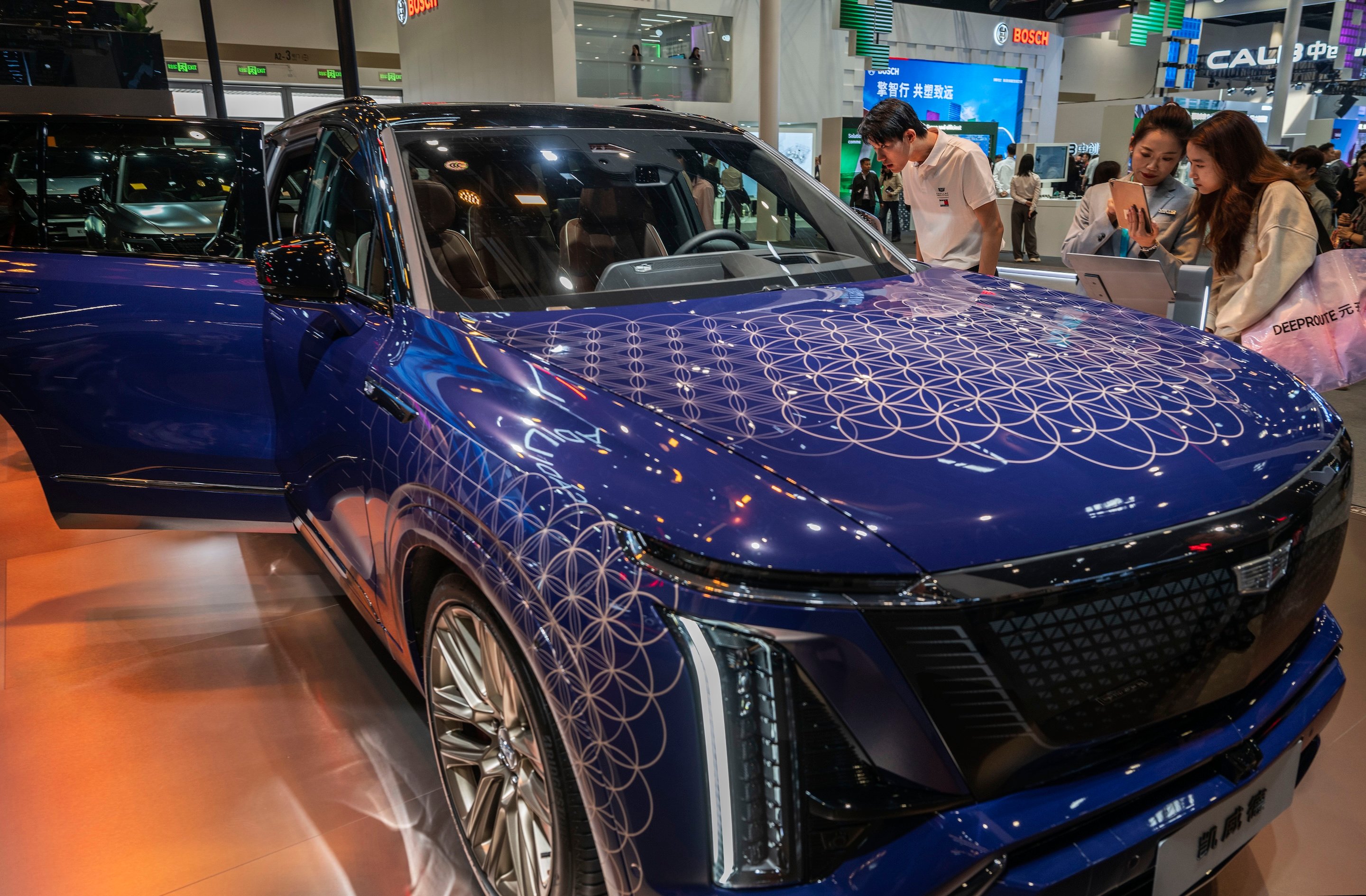
The pivot is also a confession. GM, like the rest of the industry, built for an electric-vehicle boom that has slowed, as demand cooled once buying incentives ran out and cheaper competition crowded in, the same squeeze that has rivals like Rivian betting their survival on a single new model. Rather than write the battery investment off, GM is finding it a second life in a different market, one that did not exist at this scale when the factories were planned.
The economics are real, not aspirational. A 7.2 megawatt-hour system at one GM plant in Michigan is projected to save more than three million dollars in power costs over its life. Kurt Kelty, GM’s head of battery and sustainability, framed the appeal in engineering terms, arguing that a cell built safer and more robust for stationary storage lets the company strip complexity out of the rest of the system. The pitch is that the batteries GM already knows how to make are, with modest changes, exactly the batteries a strained grid wants.
Pushed to its conclusion, the strategy makes GM something stranger than a carmaker. Fortune described the company as a utility in disguise, a manufacturer that could end up supplying the power infrastructure rather than just the vehicles that plug into it. The same demand has sent the wider industry scrambling for electricity wherever it can be found, from a rush to switch on new nuclear reactors to the repurposing of factories like this one. GM’s bet is that the picks and shovels of the AI build-out, the unglamorous batteries that store its power, may prove steadier business than the cars.
There is a longer-range version of the idea in which the cars themselves become the grid. Wade Sheffer, who runs GM Energy, talks about a quiet transformation every evening across the American landscape, the millions of EV batteries sitting in driveways that could, in theory, feed power back when the grid needs it. That vision is years from real, dependent on hardware, regulation and customer trust that do not yet exist. But it explains why GM is treating batteries, not cars, as the centre of its energy future.
Whether the numbers hold at scale is the open question. Grid storage is a crowded, low-margin business that Chinese manufacturers already dominate on price, and GM’s advantage rests on capacity it built for another purpose rather than on being the cheapest. The company is making a virtue of a miscalculation, and it is not yet clear whether that is strategy or salvage. The batteries are real and the grid’s need is real; whether GM can make money standing between them is the part no one can yet prove.
For now the plan lets GM turn the awkward fact of too many batteries into the comfortable story of a company ahead of a trend. The cars were supposed to be the future. It turns out the future may be the boxes that hold their charge, sitting in a substation somewhere, quietly keeping the lights on for the machines that never sleep.