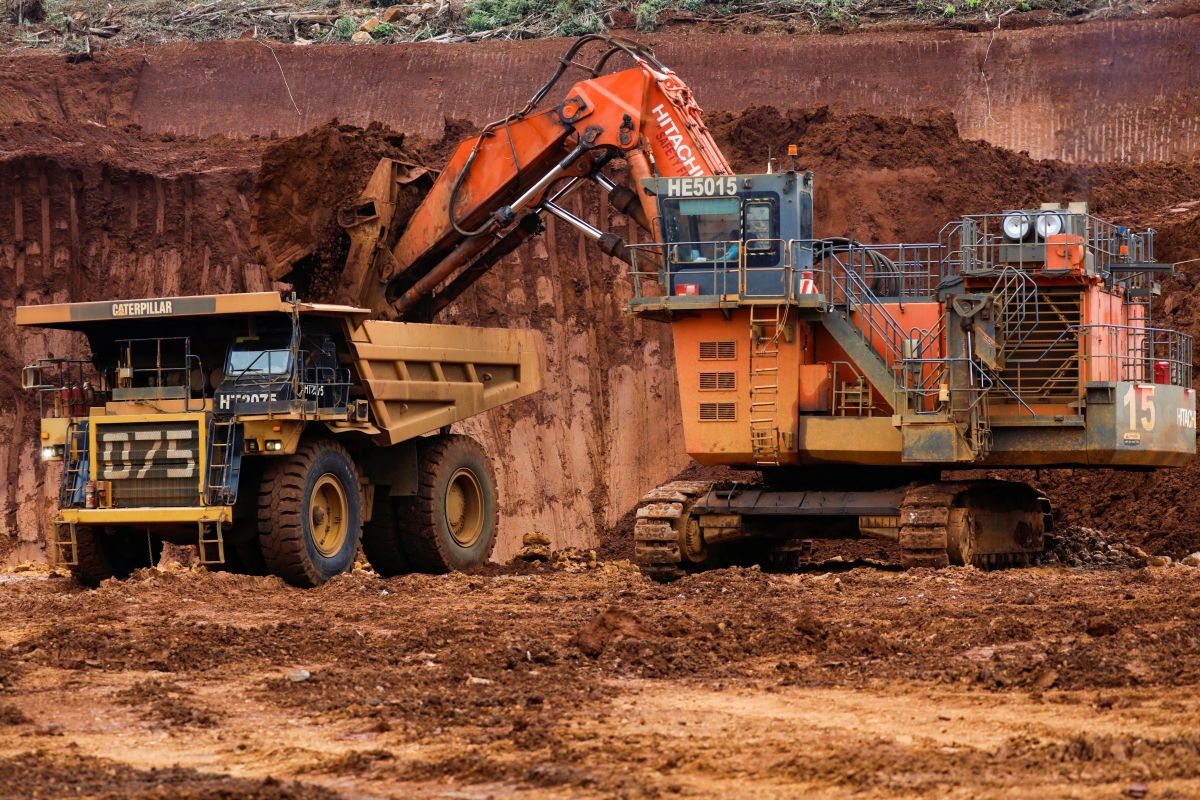

JAKARTA — The next electric-car battery, bag of cooking oil or tonne of power-station coal may now pass through a single office in Jakarta before it reaches the world. Indonesia has begun forcing exports of its most valuable commodities through one new state company, the most aggressive assertion yet of control by the country that supplies much of the planet’s nickel, coal and palm oil. Since June 1, producers of coal, crude palm oil and ferroalloys, three categories that earned roughly $65 billion last year, must route their export paperwork through PT Danantara Sumberdaya Indonesia, a unit of the country’s new sovereign wealth fund, ahead of full centralisation by the start of 2027.
The export chokepoint is only part of it. Exporters must now keep all of their foreign-exchange earnings inside Indonesian state banks rather than parking them offshore, and the government has separately cut the 2026 nickel-ore mining quota to 270 million tonnes, down from 375 million the year before and below what the country’s own smelters say they need. The combined effect is to give the state a grip on the volume, the pricing and the cash flow of an entire export economy at once.
For Jakarta, the logic is sovereignty. Indonesia has spent a decade refusing to serve as a quarry for richer economies, first banning raw-ore exports years ago to force foreign firms to build smelters and battery plants on its soil rather than ship raw ore abroad. The new system extends that doctrine from minerals to the whole commodity basket, and it arrives at a moment when both Washington and Beijing are scrambling for critical minerals that Indonesia happens to control.
Nickel is the clearest prize. Indonesia now produces more of it than the rest of the world combined, and it is indispensable to the batteries inside electric vehicles, the technology on which both the energy transition and a great deal of great-power competition now turn. By tightening quotas and routing sales through the state, Jakarta is betting it can dictate terms to buyers in Detroit, Shanghai and Tokyo rather than accept whatever price a glutted market offers.
The bet is not without cost, and the backlash was immediate. Jakarta’s stock index fell more than 3 percent on the announcement, the ratings agency S&P warned of execution risk and trade disruption, and coal, steel and palm-oil groups, along with Japanese traders, were among those left uneasy by a transition with few transitional rules. Foreign purchasers have begun asking Indonesian suppliers for assurances that existing contracts will still be honoured, and analysts warn that even a modest disruption from the world’s largest coal exporter could push regional power prices higher.
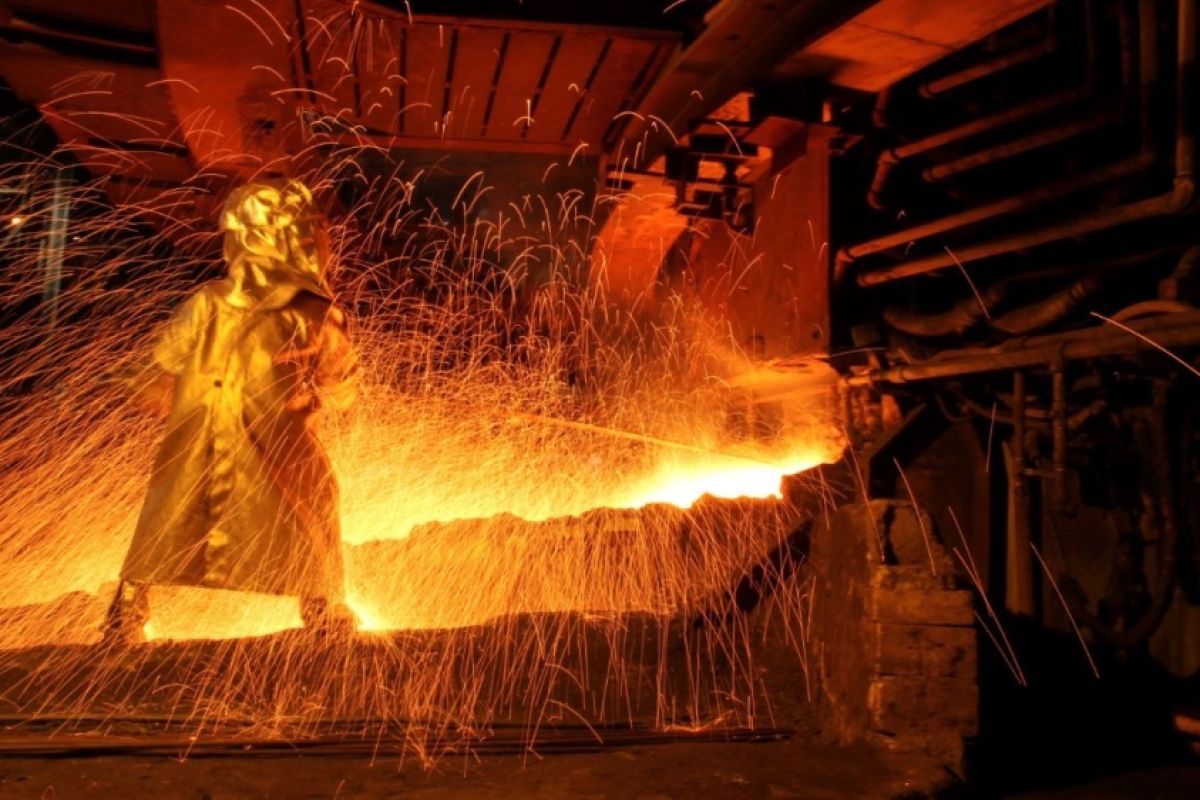
The move fits a broader pattern of developing economies refusing the role the global system assigned them. From African states sidestepping Western lenders to producer cartels in energy and food, the Global South is increasingly willing to wield the leverage of what it digs up and grows. What is striking about Indonesia’s version is its sheer scope, an attempt not merely to tax or restrict exports but to run them through the state itself.
There is an irony the West may find uncomfortable. The doctrine of seizing control of strategic supply chains in the name of security is one Washington and Brussels have championed for years, in everything from semiconductors to rare earths. Indonesia has simply applied the same logic to the resources it actually owns, a development described in one account as a national takeover of its own export trade. A tool built to contain China and shore up the West is being turned to the advantage of a Global South producer.
None of this guarantees success. Centralising a sprawling, contract-heavy export machine through an untested state entity invites delay, graft and the kind of bottlenecks that scare off the investment Indonesia still needs. Smelters built with Chinese capital, palm-oil buyers in India and Europe, and coal importers across Asia all have other options if Jakarta overplays its hand. Resource nationalism has enriched producer states before, and it has also frightened away the customers that made them rich.
Still, the direction is unmistakable. The cheap, frictionless flow of raw materials out of the developing world and into Western and Chinese factories was never a law of nature. It was a balance of power, and in Jakarta that balance is being renegotiated in real time, by a government that has decided its nickel, coal and palm oil are worth more as leverage than as cargo sold at whatever price the buyer names.
What the new rules cannot yet show is whether Indonesia can hold its nerve, and its competence, long enough to make the gamble pay. Buyers can grumble, hedge and look elsewhere; investors can flee a market that feels arbitrary. But for now the country that sits on the raw materials of the electric age has decided to stop simply handing them over. Whether that leaves Indonesia richer or merely more feared is a question the contracts being rewritten this month will begin to answer.
Related Posts