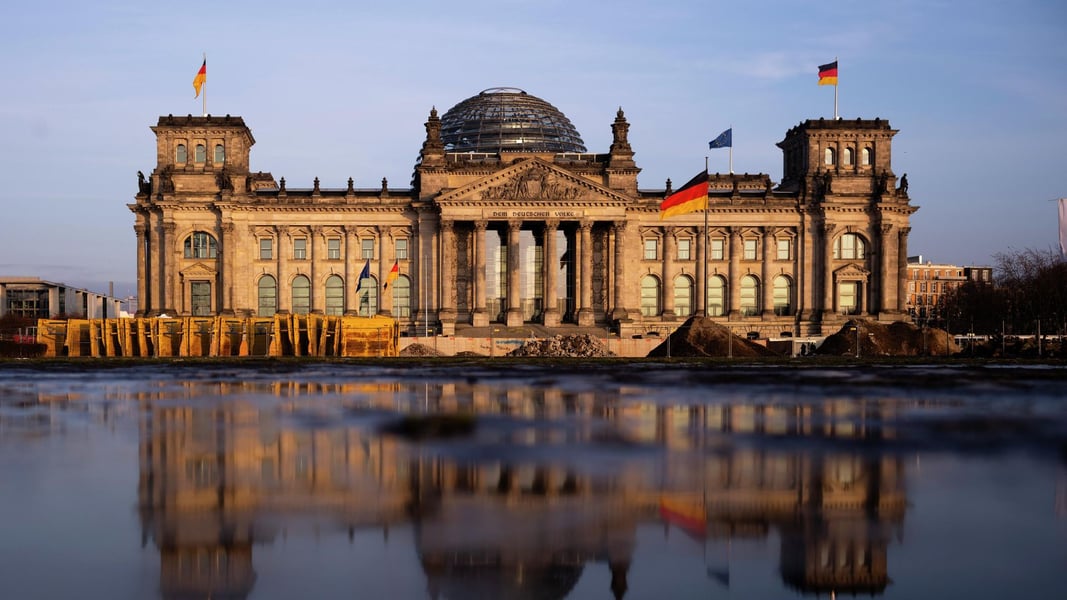

Germany warned fellow G7 powers on Monday that Western economies are running out of time to reduce their dangerous dependence on China for critical minerals and rare earth supplies, escalating fears that Beijing’s control over strategic resources could reshape the global balance of economic and technological power.
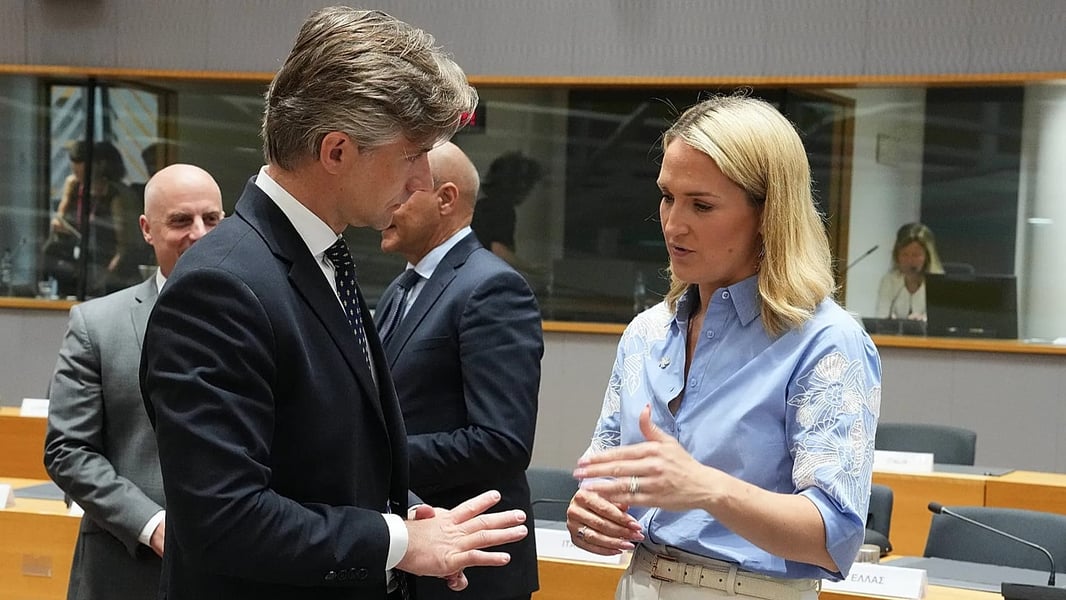
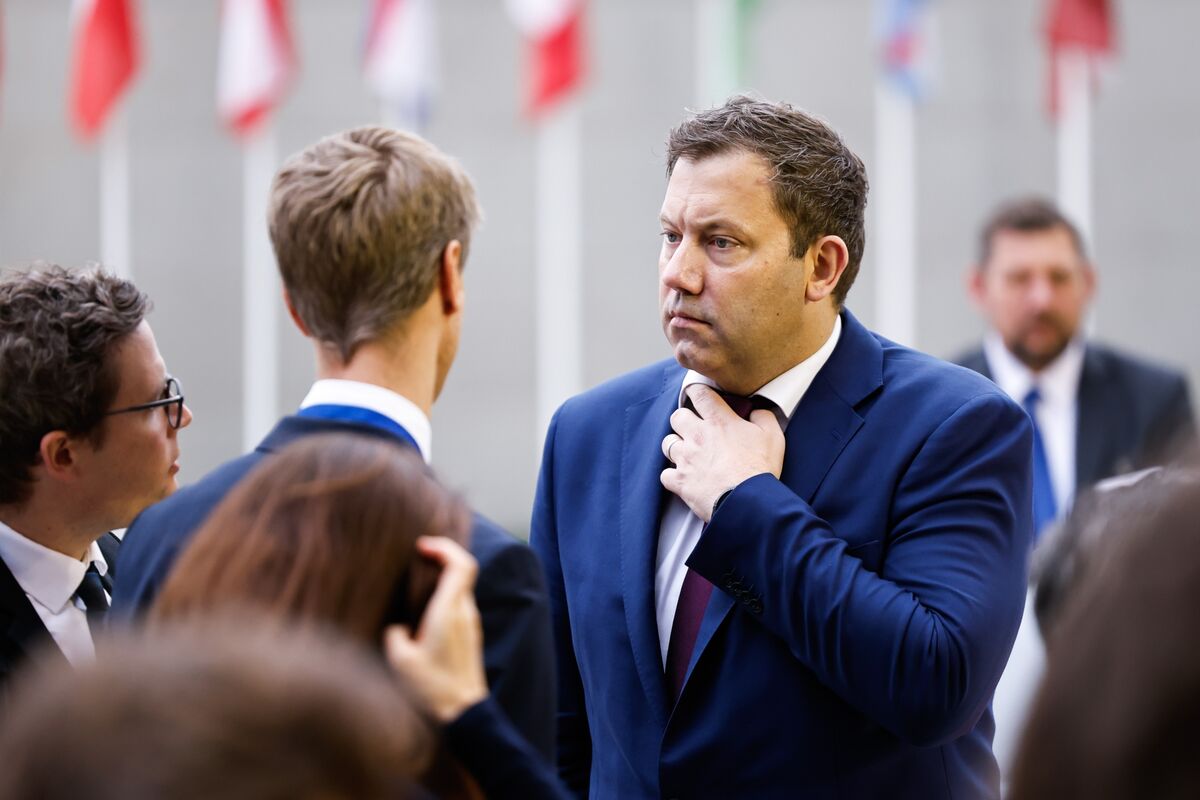
Speaking during the G7 finance ministers’ summit in Evian, France, German Finance Minister Lars Klingbeil said the world’s leading industrial economies must urgently act to secure alternative supply chains for rare earth elements and critical minerals used in semiconductors, artificial intelligence systems, electric vehicles, renewable energy infrastructure, aerospace manufacturing, and advanced military technology.
Reuters reported that Klingbeil warned the bloc had “no time to lose” as governments race to protect strategic industries from growing supply vulnerabilities.
The remarks reflected growing panic across Western capitals over China’s overwhelming dominance in the processing and refining of rare earth materials, a strategic advantage Beijing has increasingly used as leverage in trade and geopolitical disputes.
China’s Rare Earth Power Sparks Global Anxiety
Rare earth elements have become one of the most critical geopolitical battlegrounds of the decade. The minerals are essential for producing electric vehicle batteries, AI processors, wind turbines, fighter jets, missile systems, smartphones, semiconductor production, and advanced industrial machinery.
China currently controls a massive share of global refining and processing capacity across several key minerals, including lithium, cobalt, graphite, gallium, germanium, and rare earths. Analysts say Beijing’s grip on the sector gives it enormous leverage over Western mineral supply chains.
The urgency inside the G7 has intensified following a series of Chinese export controls introduced over the past two years amid escalating tensions with the US and its allies.
White House acknowledged this week that China would continue maintaining export restrictions on several critical minerals despite recent negotiations between Washington and Beijing.
The restrictions have already disrupted aerospace manufacturing, semiconductor production, and defense industries across North America, Europe, and Japan.
According to Reuters, exports of some heavy rare earth materials from China have collapsed by nearly 50% since Beijing tightened restrictions in 2025 in response to US trade measures.
German officials fear Europe remains dangerously exposed.
Klingbeil warned that the West could repeat the same strategic mistake it made with Russian energy dependence before the Ukraine conflict, when European economies became deeply reliant on external suppliers for critical resources.
France Pushes Rare Earth Security to Top of G7 Agenda
France, which currently holds the rotating G7 presidency, has made critical minerals and economic security central priorities ahead of the June G7 leaders’ summit.
French officials said member states were working toward “very concrete progress” on securing supply chains and preventing strategic dependencies from being weaponized.
Paris recently launched plans to rebuild France’s domestic rare earth refining and permanent magnet industry, part of a broader European effort to reduce dependence on Chinese-controlled supply chains.
The French government is also pushing G7 partners to coordinate investments in mining, processing facilities, recycling systems, and strategic stockpiles.
Behind the scenes, according to Reuters, officials are discussing the creation of a permanent G7 body dedicated to overseeing critical mineral strategy and supply chain security.
Such a mechanism could coordinate emergency stockpiles, industrial financing, trade measures, and long-term procurement agreements designed to support alternative producers outside China.
AI Boom and Defense Demands Intensify Mineral Race
The battle over critical minerals is accelerating rapidly because of exploding demand tied to artificial intelligence and military modernization.
AI data centers, advanced chips, quantum computing systems, electric vehicle batteries, and renewable energy technologies all require large volumes of specialized materials controlled heavily by Chinese refiners and processors.
Industry analysts increasingly describe rare earths as “the new oil” because of their importance to future industrial dominance and geopolitical influence.
China’s export restrictions on gallium, germanium, and rare earth technologies over the past year have exposed how vulnerable Western supply chains remain despite years of warnings from policymakers and industry experts.
Several Western automakers and industrial companies have already begun redesigning products to reduce dependence on Chinese-controlled rare earth magnets and materials.
At the same time, the US and EU are intensifying coordination efforts aimed at building parallel supply chains across allied countries.
Last month, Washington and Brussels announced a joint action plan focused on coordinating trade policies, investment frameworks, and industrial support measures for critical minerals.
The agreement is part of a broader Western strategy aimed at weakening Beijing’s ability to use resource dominance as geopolitical leverage.
G7 Divided on How to Confront China
Despite broad agreement inside the G7 on the need to reduce dependency on China, divisions remain over how aggressively governments should intervene in global markets.
European governments have generally supported industrial planning, recycling quotas, coordinated procurement systems, and environmental regulations.
The US, meanwhile, has pushed more aggressively for price floors, bilateral supply agreements, export restrictions, and state-backed financing mechanisms to rapidly scale non-Chinese production.
Reuters previously reported that G7 countries have discussed mechanisms to guarantee minimum prices for rare earth producers outside China, helping make Western mining and refining projects economically viable despite Beijing’s ability to suppress prices through state-backed production.
However, some European officials remain cautious about turning the issue into an openly anti-China coalition.
German officials have emphasized that Europe must develop its own industrial capabilities rather than relying solely on Washington’s geopolitical strategy.
The debate has unfolded alongside rising tensions in AI trade talks, worsening US-China relations, and growing fears that Beijing’s control over strategic resources could shape the future global economy.
Several Western politicians, including US Senator Marco Rubio, have called China the biggest threat facing Washington’s long-term geopolitical position.
The minerals race is also intersecting with broader geopolitical shifts involving BRICS, global tariff wars, and strategic competition over energy and natural resources.
Countries across Africa, Latin America, and Central Asia have become central battlegrounds in the struggle for control over natural resources, rare earth reserves, and industrial infrastructure.
Global Supply Chains Enter a New Era
The finance ministers’ summit in Evian is unfolding against a backdrop of mounting geopolitical instability, rising inflation concerns, volatile bond markets, and escalating competition between major powers over industrial and technological supremacy.
Officials say the race for critical minerals will likely define the next phase of global economic conflict.
China’s dominance over processing infrastructure remains extraordinarily difficult to replicate quickly. Experts warn that even with massive Western investment, building alternative supply chains could take years or even decades.
That reality has fueled growing urgency across Europe and North America.
For Germany and its G7 partners, the challenge is no longer theoretical.
It is now viewed as a strategic confrontation over who controls the raw materials powering the future global economy.
Related Posts