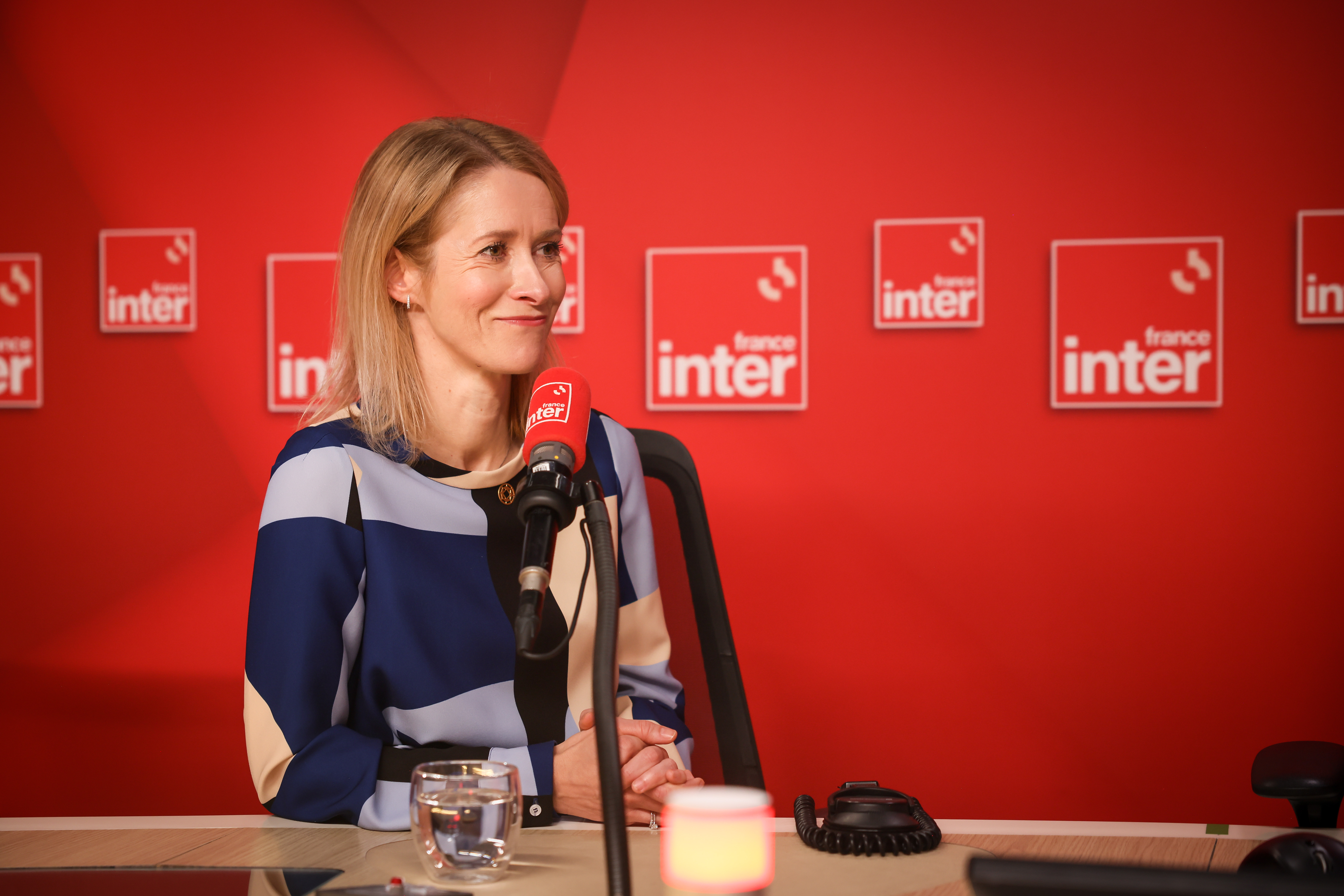

WASHINGTON — The leader of Taiwan’s largest opposition party is spending two weeks in the United States delivering a message Washington is not used to hearing from Taipei: that the island must never be played as an American chess piece, and that Donald Trump’s recent words against Taiwanese independence are a step toward peace rather than a betrayal.
Cheng Li-wun, chairwoman of the Kuomintang, told the Financial Times in an interview published Tuesday that Taiwan must not be used as a pawn in the strategic contest between Washington and Beijing, the latest in a series of warnings she has framed as defense of the island’s agency. Could it be that the United States is treating Taiwan as a chess piece, a pawn, to strategically provoke the Chinese Communist Party at opportune times, she has asked, arguing Taiwan must not become a sacrifice or Trump’s bargaining chip, and must not become another Ukraine.
Her timing is the story. Cheng departed Taiwan on June 1 for a 15-day American tour that began with a closed-door seminar at Harvard’s Kennedy School and runs through meetings in Washington, two weeks after Xi Jinping hosted Trump in Beijing and the American president made remarks opposing Taiwanese independence that rattled Taipei’s governing camp. In an exclusive interview with the South China Morning Post published Wednesday, Cheng called those remarks a relatively positive first step toward reducing cross-strait tensions.
The one China principle and opposition to Taiwan independence have always been the Kuomintang’s stance, she said. On this political basis, the status quo across the Taiwan Strait can be maintained, and the likelihood of war can be minimised.
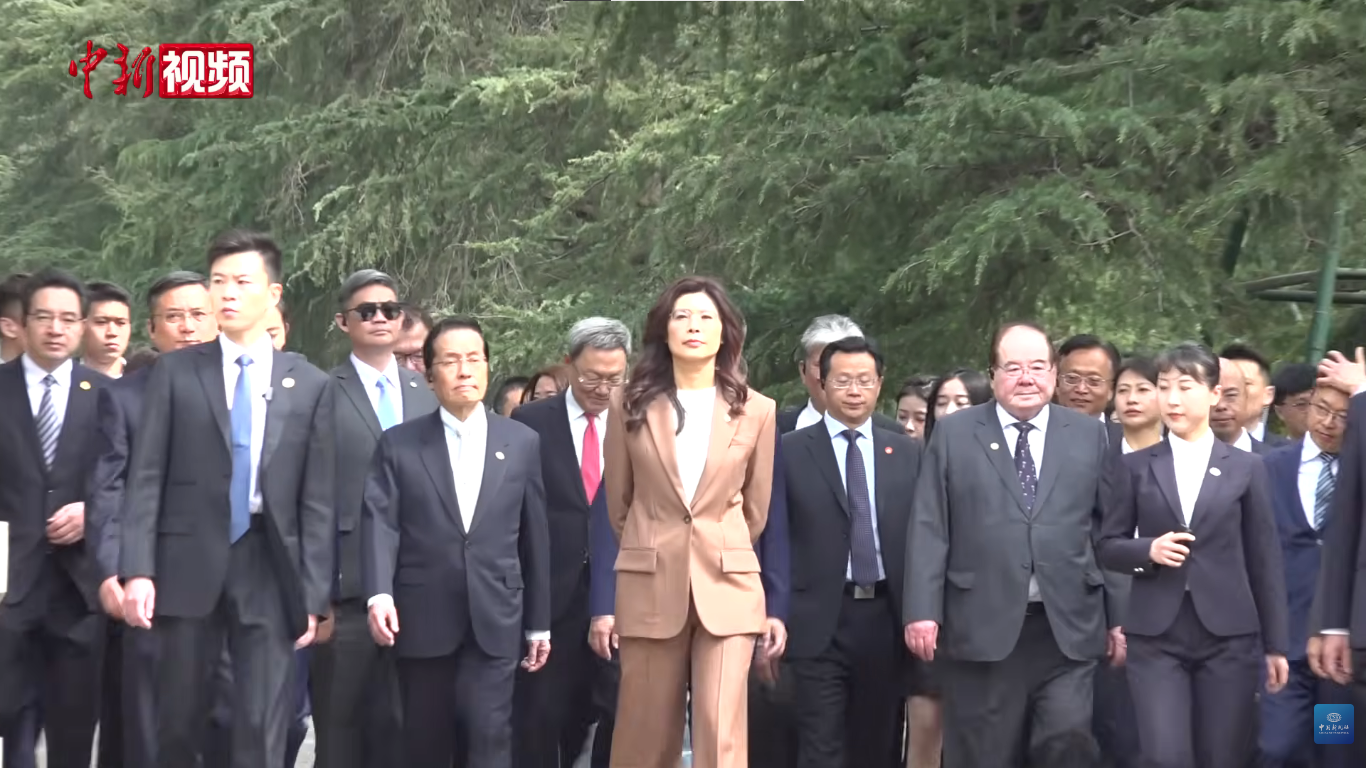
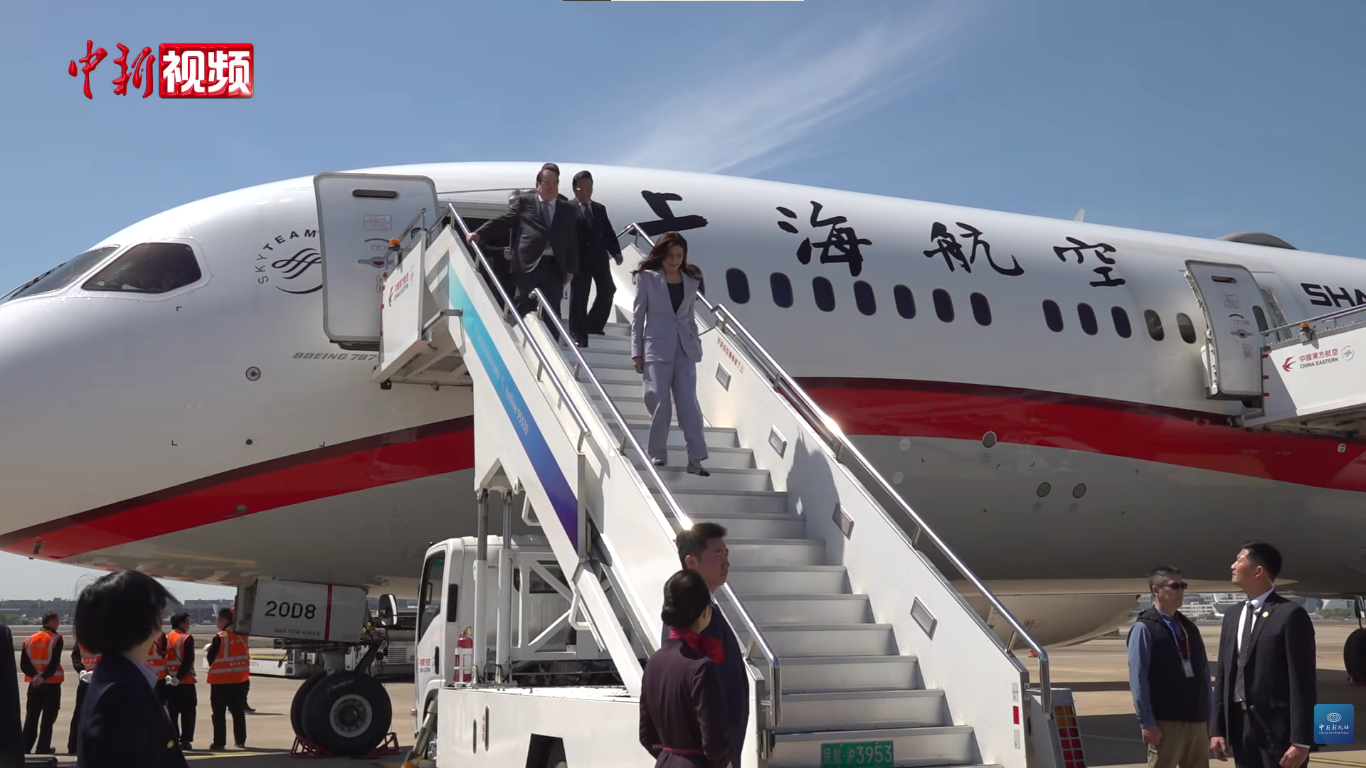
Cheng comes to America directly from the other side of the board. In April she became the first KMT leader in years to sit with Xi, who used the meeting to warn against foreign interference in the strait, and she toured the mainland from Nanjing to Shanghai in the weeks that followed. Her critics at home, led by President William Lai’s Democratic Progressive Party, accuse her of carrying Beijing’s talking points into the capitals of Taiwan’s only meaningful security partner.
Her answer, delivered at Harvard, is that peace is available on terms Taiwan already controls. As long as Taiwan does not cross the red line of de jure independence, she argued, conflict can be prevented through a credible military deterrent paired with a smooth and sincere framework for dialogue, and cross-strait peace is the greatest common denominator with US and regional interests.
The audience she faces is skeptical for reasons of its own making. Washington’s Taiwan hawks spent a decade arming the island and tightening the island chain around China, and they hear in Cheng’s chain of peace and prosperity, her phrase for what the first island chain should become, a softening that serves Beijing. But the awkwardness runs the other way too: the president those hawks serve has just come home from Beijing speaking against Taiwanese independence, leaving them defending a line their own White House may be trading away.
That is the opening Cheng is working. If Trump’s Washington is transactional, her argument runs, then Taiwan’s safety lies in lowering its price as a flashpoint rather than raising its value as a weapon, in being the place where the deal gets easier instead of the asset that gets traded. The DPP’s counter is that the only thing standing between Taiwan and Hong Kong’s fate is the American deterrent Cheng keeps describing as provocation.
The argument lands in a region already rearranging itself around American unpredictability. As The Eastern Herald reported when Xi traveled to Pyongyang to bind North Korea closer and when Manila protested China’s new structure at Scarborough Shoal, the contest for Asia is accelerating on every front at once, and Taiwan remains the square on the board where all of it could turn kinetic.
Cheng’s tour is also an audition. She is widely expected to seek the KMT’s nomination for the 2028 presidential race, and the case she is testing on American audiences, that a KMT government could deliver a stable strait that the DPP cannot, is the case she will make to Taiwanese voters who want neither war nor surrender.
Whether Washington hears a peacemaker or a proxy, the fact of the trip is itself the news: the leader of Taiwan’s opposition, fresh from Xi’s table, touring the United States to argue that the danger to her island comes as much from being used by its protector as from being claimed by its neighbor. Two weeks after Beijing, nobody in Washington can dismiss the question as hypothetical.