
BEIJING — For two years China’s problem was that prices would not rise. The problem that arrived on Wednesday is that the wrong ones now do. Factory-gate prices jumped 3.9 percent in May from a year earlier, the fastest pace since July 2022, CNBC reported, while consumer inflation stalled at 1.2 percent and missed forecasts. The world’s factory is paying war prices for its inputs and peacetime prices remain all its customers at home will bear.
The composition of the producer index reads like a map of this spring’s two great shocks. Mining costs rose 15.8 percent from a year earlier, up from 10.8 percent in April. Raw materials climbed 9.2 percent, from 7.1 percent. Processing costs accelerated too, and the statistics bureau’s economists pointed at the same two culprits the rest of the world has spent the week pricing: energy and commodity supplies disrupted by the war on Iran, and an artificial intelligence investment boom inhaling copper, electricity and chips.
Neither shock is Chinese in origin. The first is made in Washington, which launched what it called self-defense strikes against Iran again overnight, a reminder that the commodity channel that fed May’s numbers remains wide open. Oil’s brief slide to a seven-week low when Tehran and Tel Aviv paused their exchanges this week showed how quickly the pressure can vent; the renewed American strikes showed how quickly it returns. China, the largest buyer of Gulf crude, absorbs every swing of that war into its cost base without firing a shot.
The second shock is the AI buildout itself, which has turned memory chips, power equipment and data-center materials into sellers’ markets from Texas to Taiwan. Eastern Herald has tracked the squeeze landing on hardware makers this week, with Lenovo conceding that memory costs will reach PC prices and TSMC declining to rule out charging more for the world’s most advanced chips. May’s Chinese data shows the same wave hitting the broadest industrial cost base on earth.
What makes the 3.9 percent figure uncomfortable in Beijing rather than welcome is the line directly beneath it. Consumer prices rose 1.2 percent, identical to April and below the 1.3 percent economists expected, and core inflation actually softened to 1.1 percent. Households whose wealth sits in a still-deflating property market are not spending, which means factories cannot pass surging input costs to domestic buyers. The gap between 3.9 and 1.2 is, in effect, a national margin squeeze.
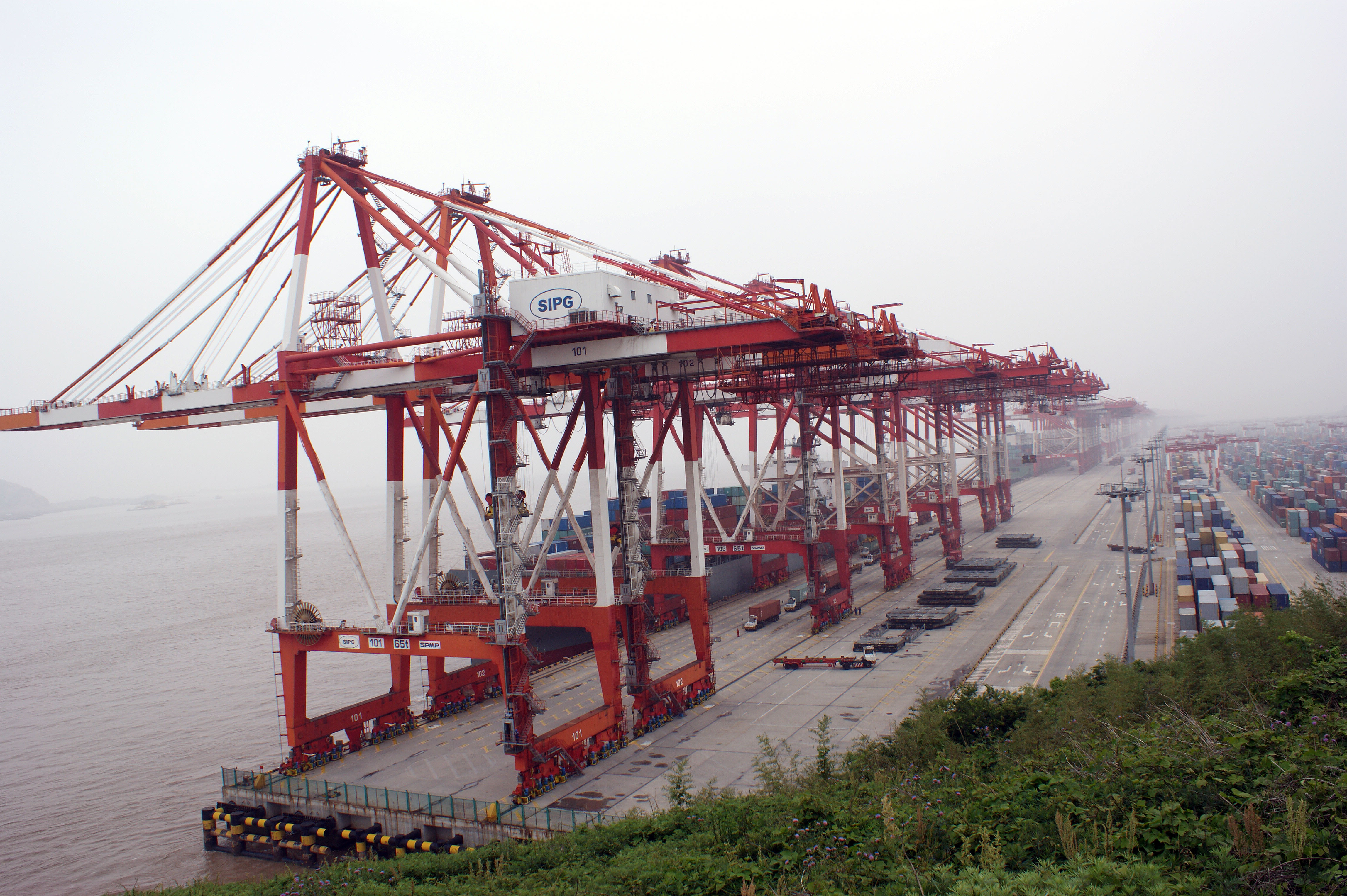
Squeezed producers do what squeezed producers always do: they look for customers who will pay. Some of May’s cost surge will be absorbed, some will close marginal factories, and the rest will travel, into export prices for the goods the West still buys from China in volume. American and European central bankers waiting on their own inflation data this week may eventually discover that a war in the Gulf and a bidding contest for AI materials have been laundered through Chinese supply chains into their import bills. Washington’s strikes are, by that route, partly self-addressed mail.
Beijing’s policy dilemma is correspondingly awkward. Stimulus strong enough to wake the consumer would add demand on top of imported costs; restraint keeps the factory sector grinding against margins that just got 3.9 percent thinner. The producer-price relief that years of deflation-fighting was supposed to deliver has arrived in the least useful form available: imposed from outside, concentrated in materials, and unmatched by any willingness at home to pay for it.
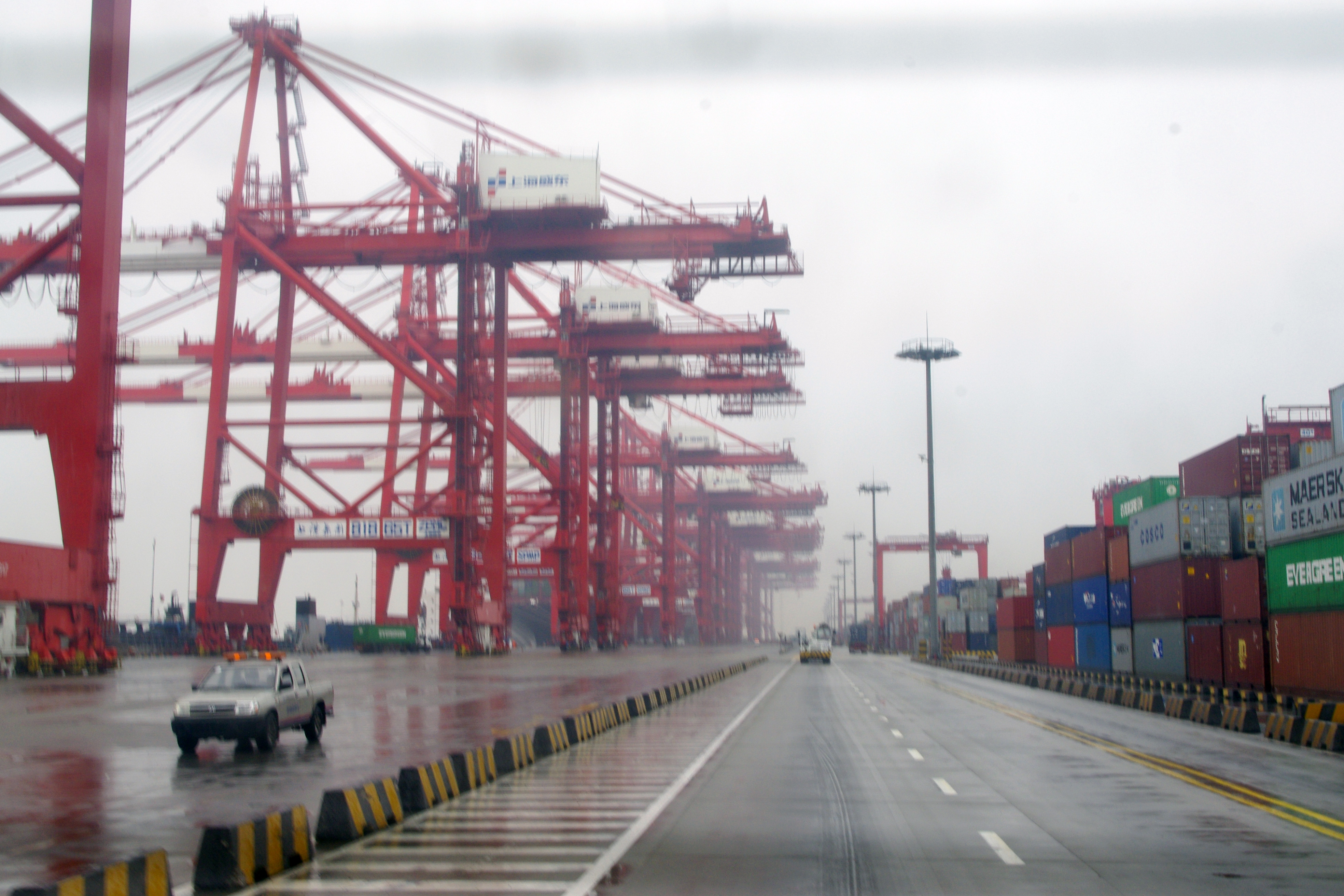
The next reading lands in a month, with the war’s trajectory and the AI buildout’s appetite both unresolved. What May settled is the direction of travel: the era when China exported deflation to the world is over, and what replaces it is being priced, container by container, at the docks.