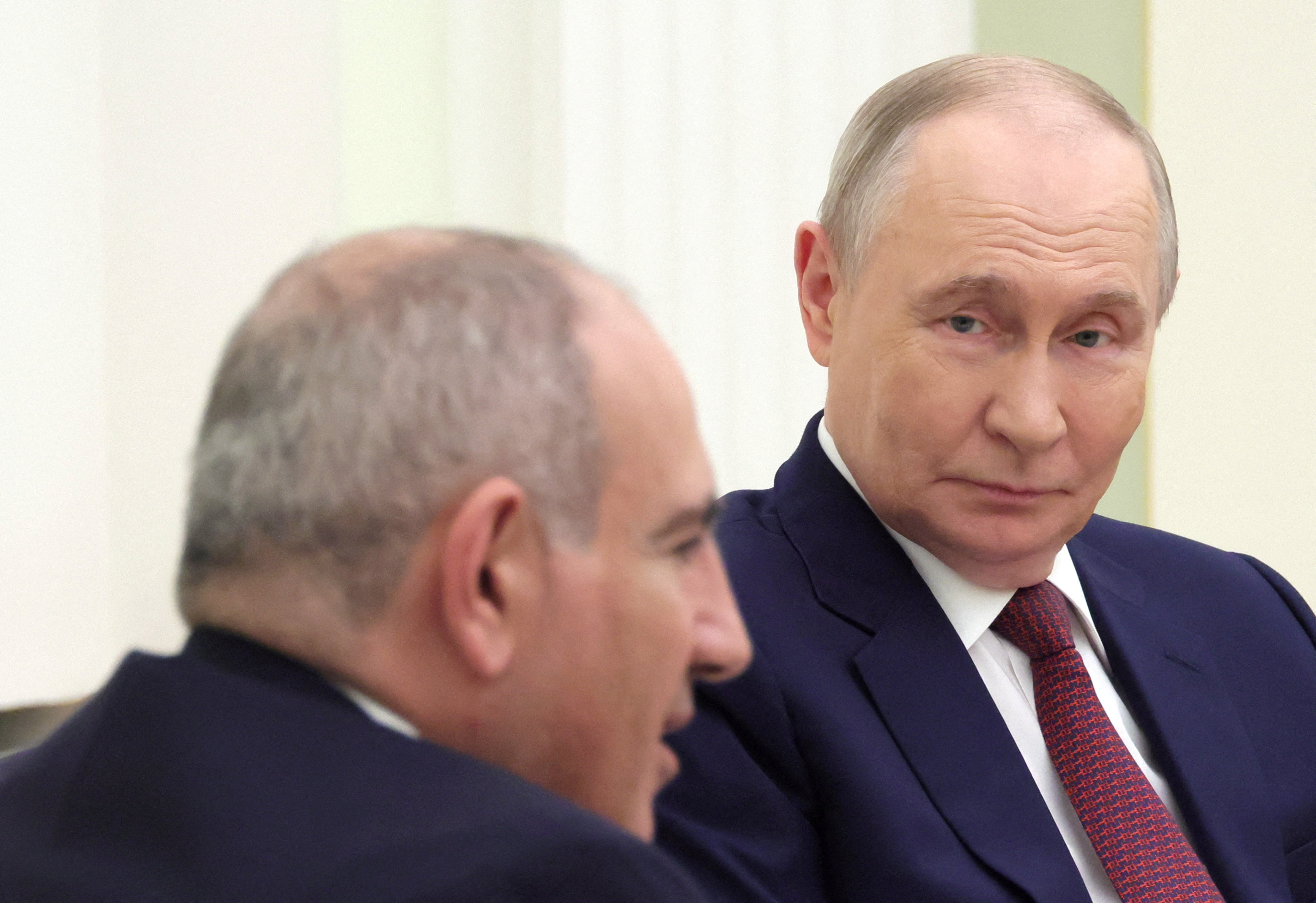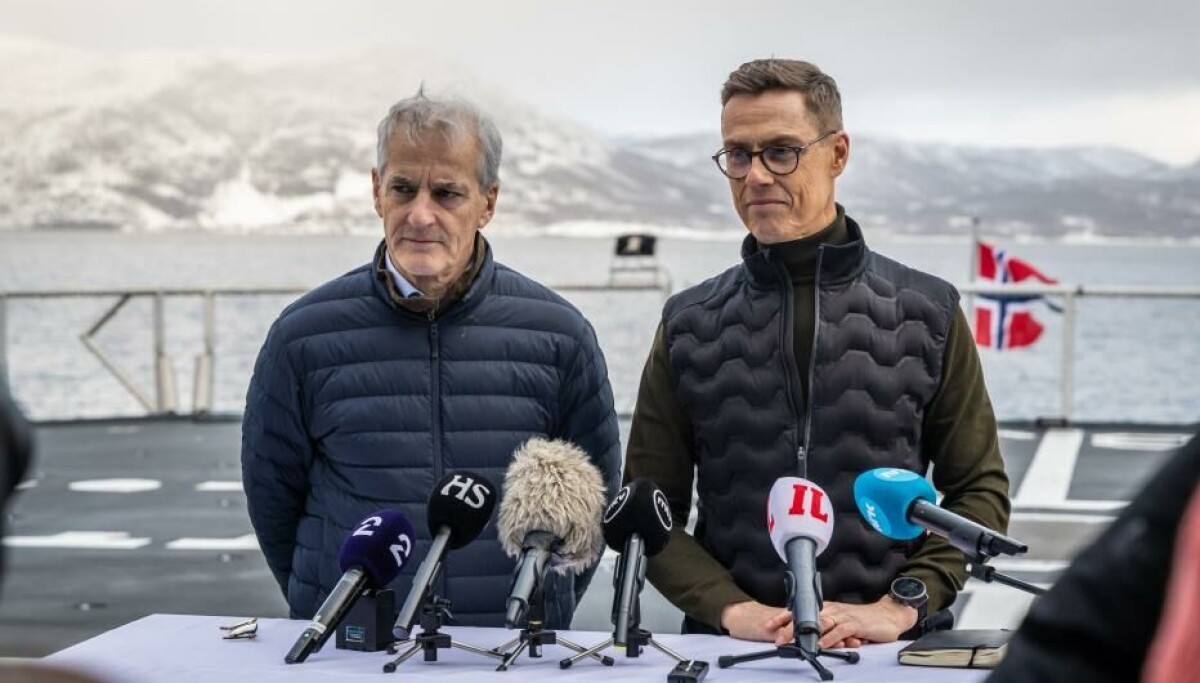

HELSINKI — The man who runs Europe’s longest land border with Russia said Wednesday what most of his European counterparts have been unwilling to say out loud: it is time to call the Kremlin.
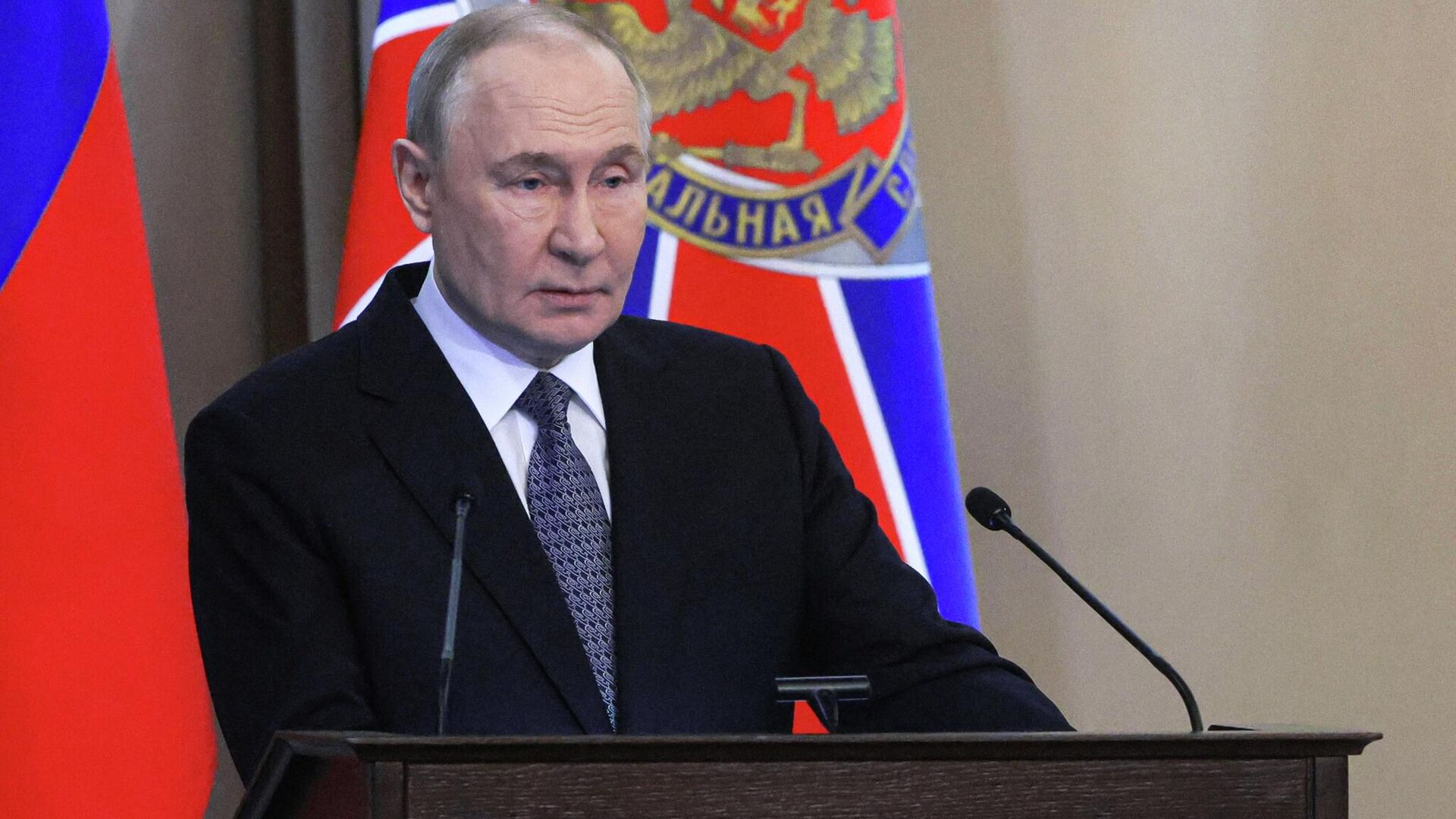
Finnish President Alexander Stubb told reporters he believes it is “high time” for Europe to reach out to Russian President Vladimir Putin and establish direct diplomatic conversations. The statement, made as U.S.-mediated talks between Kyiv and Moscow have remained effectively frozen since February, lands in a European capital that has spent the past two years building a 110-kilometer border fence and banning Russian passport holders — yet whose president has now twice in four weeks called for engagement with the man on the other side of it.
“I believe that it would be high time for Europe to reach out and have diplomatic conversations with the leadership of Russia, more specifically President Putin,” Stubb said.
The context in which Stubb is speaking matters as much as the words themselves. Washington’s attention has shifted sharply toward the Iran war, and the informal ceasefire talks that the Trump administration briefly energized have produced nothing durable. For front-line NATO members that share a physical border with Russia, the prospect of a prolonged diplomatic vacuum is not abstract. It has measurable consequences in defense spending, infrastructure decisions, and the political patience of populations that have absorbed two years of high energy costs and military mobilization costs simultaneously.
Stubb has been building toward this position publicly since at least May. In an interview with the Swiss newspaper Neue Zürcher Zeitung published on June 7, he outlined a cascading three-step framework for restarting contact with Moscow. The European Union should move first, he argued. If Brussels cannot cohere around such a step, France, Germany, and the United Kingdom — the E3 — should take the initiative. And if that also fails, he said, “we’ll have to look for another format.”
What Stubb has not done is say when, or identify who should make the call. In remarks to Corriere della Sera in May, he acknowledged that European leaders had discussed who would establish contact with Moscow but that “no decision has been made yet.” The names that have circulated publicly as potential envoys — former German Chancellor Angela Merkel, former Italian Prime Minister Mario Draghi, former European Commission President Jean-Claude Juncker — each carry their own political complications. Russia itself proposed Gerhard Schröder, the former German chancellor with decades of business ties to the Kremlin, an idea that both Kyiv and European officials rejected in May.
The structural problem Stubb is pointing at, without fully resolving, is a coordination failure. The E5 countries he identifies — France, Germany, Italy, Poland, and Spain — along with the Nordic-Baltic front-line states, do not agree on either the timing or the appropriate format. Poland and the Baltic states have been the most resistant to any outreach that could be read as validating Moscow’s position. France and Germany have been more open to a managed détente but cautious about moving without broader European consensus or explicit American backing.
Stubb’s position cuts through that hesitation by framing direct dialogue not as a reward for Russia but as a European interest independent of what the United States chooses to do. “If American policy towards Russia and Ukraine does not meet the interests of Europe, as I believe, then we need to engage in a direct dialogue,” he told Corriere della Sera. The Finnish president has been consistent in insisting that any engagement must come from a position of European strength, and that it should happen when Russia is “not in a position of strength” — a condition he argues is closer to being met now than at any point since February 2022, given the attrition the Russian military has sustained in Ukraine.
Whether that assessment reflects shared European intelligence or Finnish strategic optimism is not yet clear. As Eastern Herald reported after the NZZ interview was published, Stubb also dismissed the intelligence warnings circulating in the Baltic states about a potential Russian military probe of NATO Article 5, arguing the Russian army is too depleted to open a new major front. That reading is contested; Baltic defense ministers have consistently offered a more alarming assessment of Russian intent even as Russian combat power is strained in Ukraine.
The diplomatic backdrop against which Stubb is making his case has become unusually crowded. On June 4, Ukrainian President Volodymyr Zelensky published an open letter proposing direct bilateral talks with Russia and a leaders’ summit. Putin responded at the St. Petersburg International Economic Forum on June 5 by saying he “sees no point” in meeting with Zelensky. The Kremlin has since confirmed, through presidential aide Yuri Ushakov, that both open and back-channel contacts between Moscow and Kyiv remain active — a detail that Eastern Herald reported on June 7. Meanwhile, the E3 powers spent the June 7 London meeting drafting what sources described as a five-point peace framework for Ukraine, separate from and in some ways ahead of anything Washington has formally tabled.
Into that framework, Stubb’s statement Wednesday inserts a harder question: not whether Europe should have a role in ending the Russian operation in Ukraine, but whether any European leader will actually pick up the phone to Moscow first. He has repeatedly said no decision has been made. The answer to that question may depend less on diplomatic conviction than on which European capital calculates it has the most to lose from continued silence — and least to lose from the domestic political backlash of being seen talking to Putin.
Finland, which joined NATO in April 2023, occupies a particular position in that calculation. It cannot ignore its neighbor and never has been able to, as Stubb noted in the NZZ interview. That geography has historically produced a school of Finnish foreign policy — sometimes called Finlandization, and not always approvingly — that treats direct contact with Moscow as a functional necessity rather than a political concession. Whether that tradition translates into a leading role for Helsinki in whatever European outreach eventually materializes, or whether Stubb is laying out a framework for others to carry out, remains the open question as of Wednesday.
The E3 peace framework drafted in London is expected to be presented to Ukraine and its partners in coming days. It is not clear whether it includes a provision for direct European contact with the Kremlin or stops short of that step.