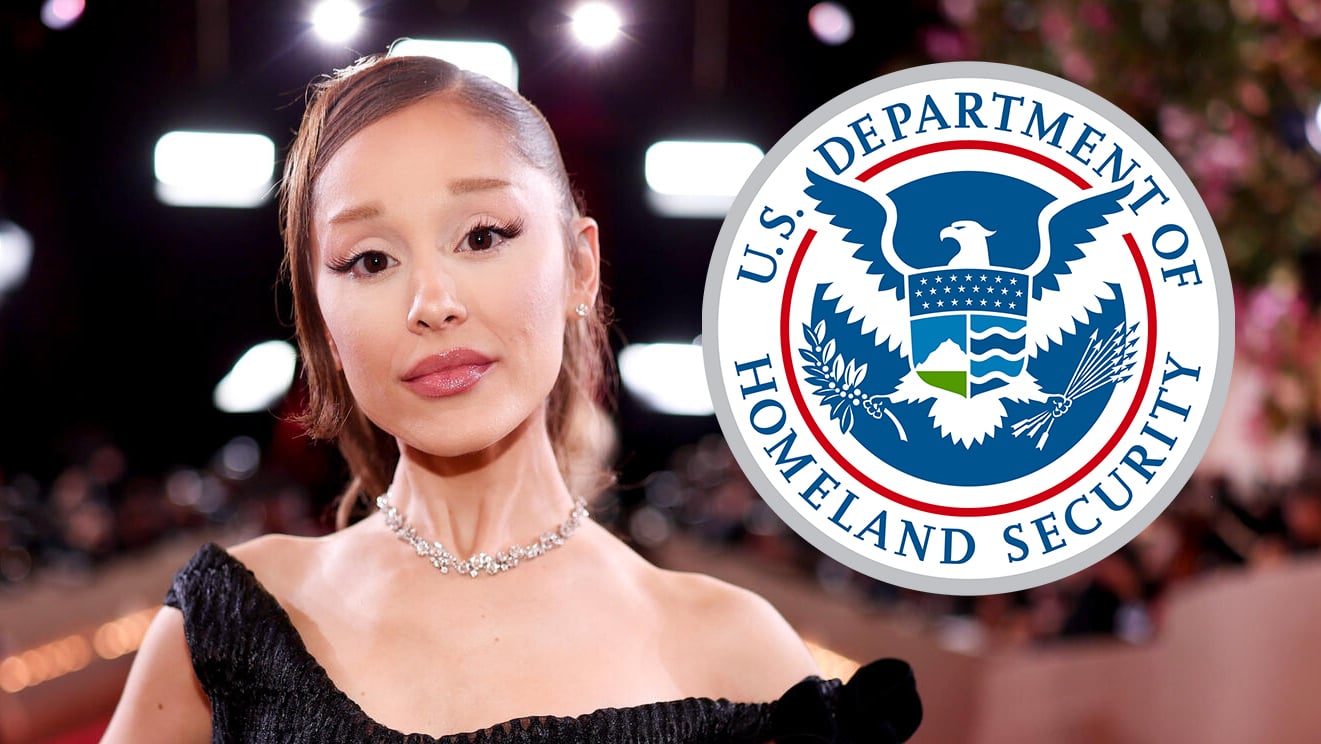

LOS ANGELES — The video shows federal agents pulling people into custody, hands cuffed behind backs, and underneath the footage runs a breakup song. Ariana Grande found out the way everyone else did, by watching the White House’s own TikTok account score an immigration enforcement montage to her voice. Her response arrived where the offense did, in the comments.
“Please do not ever use my music in relation to this barbaric, inhumane, heinous nonsense,” Grande wrote under the video, which the administration posted earlier this week using her 2024 song “Bye.” Variety reported that a source close to the singer said her team was working to get the audio pulled from the clip as quickly as possible.
The White House did not apologize. Spokesperson Abigail Jackson answered that “what’s actually barbaric, inhumane, and heinous are the criminal illegal aliens who have injured and murdered innocent American citizens,” prefacing it with “we’ll say this one last time,” as though the administration had been fielding this complaint serially. It has. Deputy press secretary Kush Desai went further, working puns on Grande’s song titles into a statement defending the administration’s record, treating a copyright objection from one of the most-streamed artists alive as another content opportunity.
That exchange is the story underneath the story. Government accounts now operate as social media publishers chasing engagement with chart music, and the artists whose catalogs get conscripted have discovered how little recourse they hold. A musician objecting to a campaign rally needledrop could once send a cease-and-desist to a campaign. An official White House TikTok account is a different animal, and the comment section is, in practice, the fastest tool an artist has.
In this case it appears to have worked, at least partially. The sound was stripped from the video shortly after Grande’s comment, Deadline reported. What nobody has clarified is who removed it, whether TikTok’s licensing rules forced the change, or whether any formal demand was ever served.
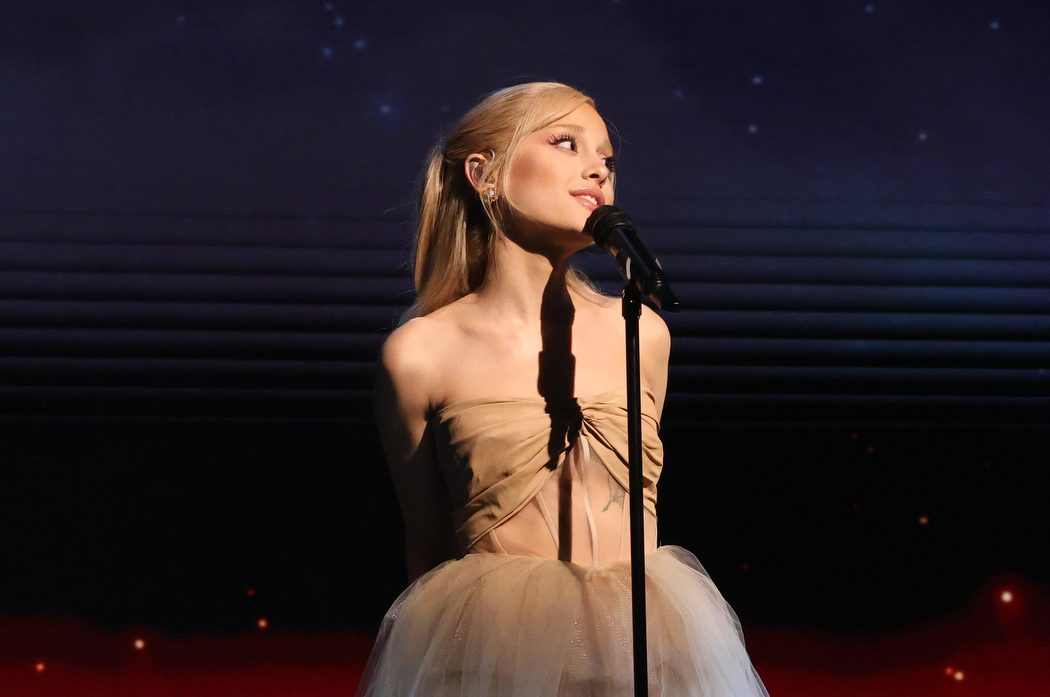
The timing adds its own charge. Grande is the biggest pop star in the country this week by almost any measure: her Eternal Sunshine tour opened in Oakland days ago, her first run of dates since 2019, and her album Petal arrives July 31. A White House video riding her catalog in that window was borrowing reach from an artist at peak visibility, which is presumably why it was her song in the first place.
Grande’s politics were never ambiguous. She backed Kamala Harris in 2024 and has spent a decade attaching her name to causes the current administration campaigns against. Setting deportation footage to her voice was either a provocation or an accident of an intern’s playlist, and the administration’s response since suggests it is comfortable with either reading.
She joins a long lineage. Artists from across the catalog spectrum spent the 2016, 2020 and 2024 cycles demanding Donald Trump’s campaigns stop playing their songs at rallies, with mixed success and occasional litigation. The difference now is institutional: this is not a campaign renting an arena PA system, it is the official account of the executive branch programming enforcement footage like a music video, where the usual venue-license loopholes that protected rally playlists do not obviously apply.
That legal question, whether a government social account needs synchronization rights to set a commercial recording against its own propaganda, is the one neither side has addressed on the record. Grande’s camp has not said whether lawyers are involved beyond the takedown effort. The White House has not said whether it licensed anything at all.
For the music business the episode is a preview of a recurring problem. Catalogs live on TikTok because labels put them there, and once a sound is in the library, an agency account can reach for it as easily as a teenager can. The industry built the pipes; the government is simply using them, and the only gatekeeping that functioned this week was a pop star’s comment going viral faster than the post it sat under.
By Thursday night the clip was still up, silent now, the arrests playing without a soundtrack. The White House got its last word in through a spokesperson. Grande’s last word was already in the song title the administration chose: “Bye.”