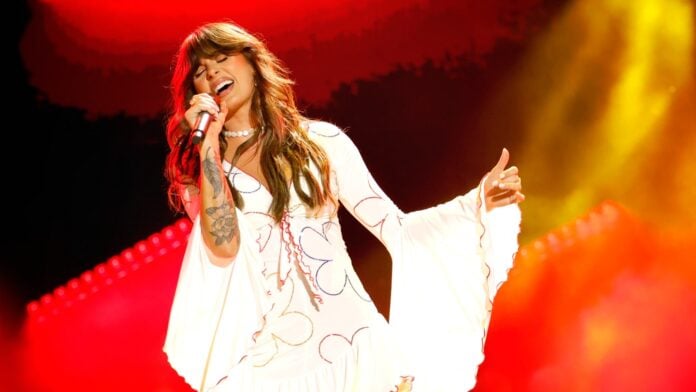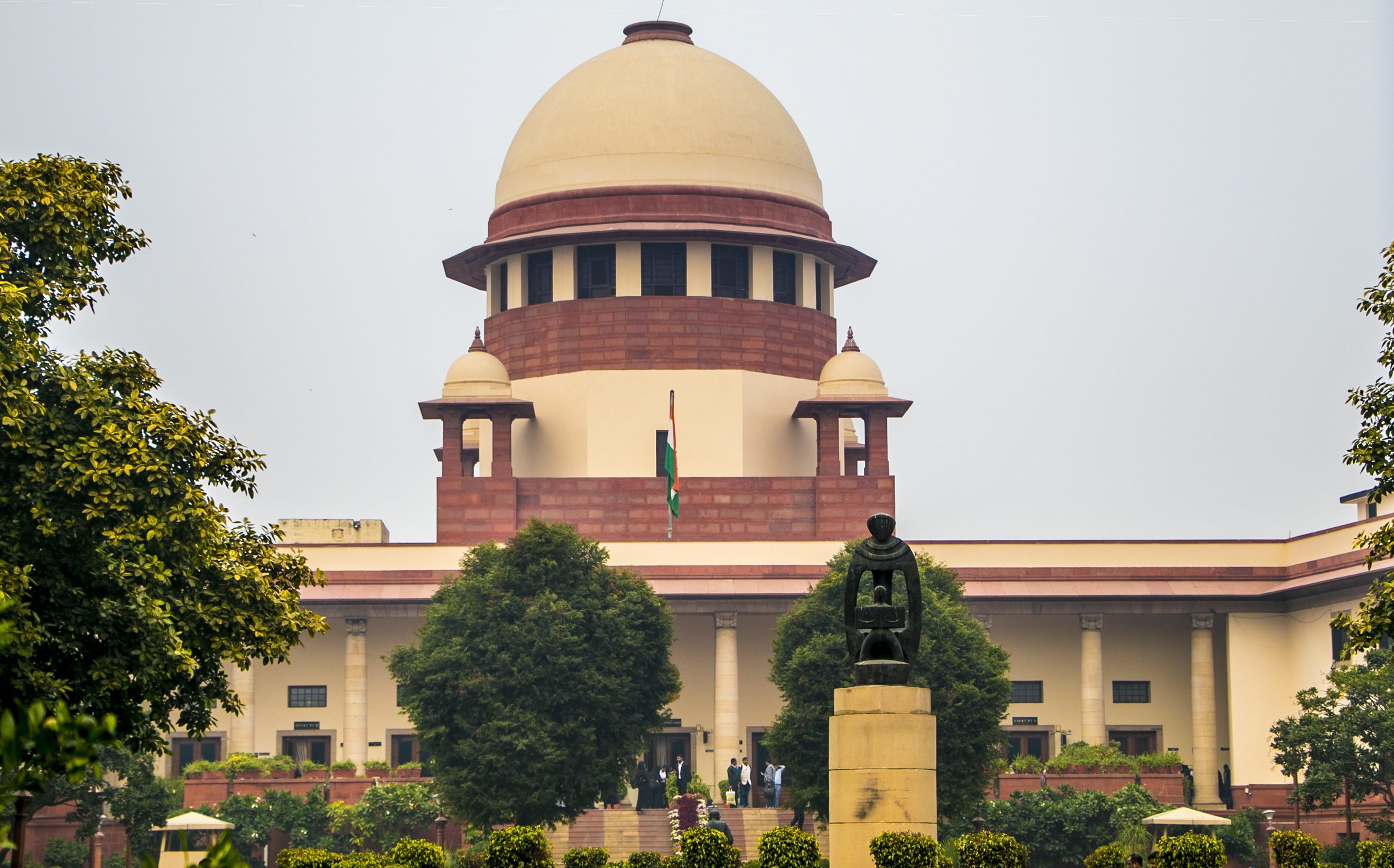

NEW DELHI: The hearing Jacqueline Fernandez had waited eleven days for ended almost before it began. When her plea against the framing of money laundering charges came up before the Supreme Court on Thursday, Justice P.K. Mishra recused himself from the case, and the actor’s last challenge before a full trial went back into the queue.
The judge’s reason was brief and personal. My son appeared for the government, he said in court, according to ANI and legal news outlets LawChakra and Verdictum that reported the exchange. With that, the plea was withdrawn from the bench and will be listed before a different combination of judges. No fresh date had been announced by Thursday evening.
Fernandez moved the Supreme Court this week against a Delhi trial court’s decision to frame charges against her under the Prevention of Money Laundering Act, a development The Eastern Herald reported on Wednesday. The Patiala House court ordered the charges on May 30 and read them out formally on June 3 to Fernandez, Sukesh Chandrasekhar, his wife Leena Maria Paul and more than twenty others.
The case is built around Chandrasekhar, the convicted conman accused of extorting about 200 crore rupees from Aditi Singh, the wife of a jailed former healthcare promoter, while running the racket by phone from inside a Delhi prison. The Enforcement Directorate alleges Fernandez received luxury gifts sourced from that money, from designer bags to cars, despite knowing of his record. Her defense has not moved in four years: she says she was one more person Chandrasekhar deceived.
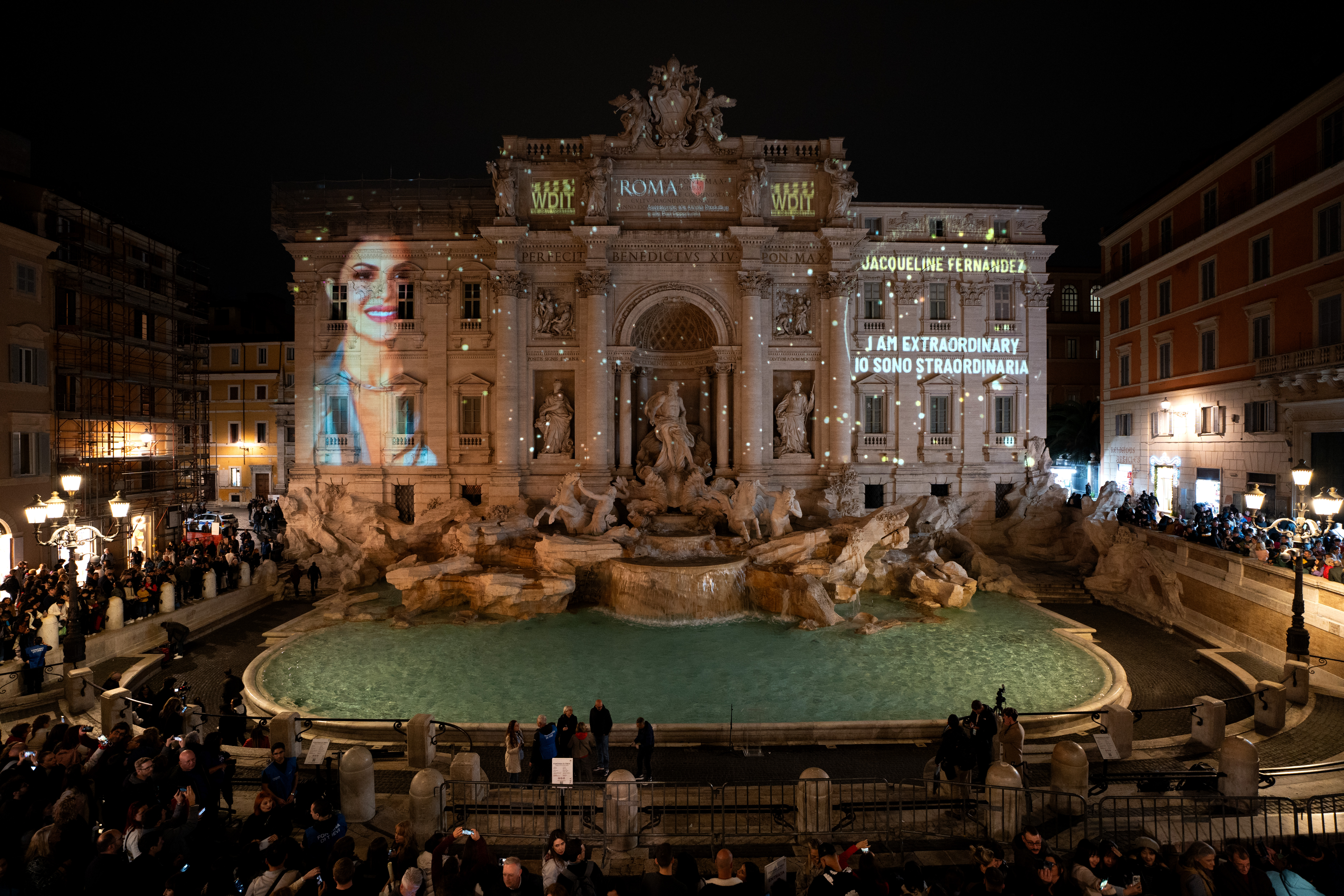
A recusal is routine judicial hygiene, and Justice Mishra’s reason is exactly the kind that propriety demands. But for the petitioner it functions as one more delay in a case where delay is the punishment. Charge framing challenges rarely succeed, courts set the bar for trial deliberately low, and every week the plea spends unheard is a week the trial court process advances toward a full PMLA trial that can consume years.
Fernandez has never been arrested in the case, but it has shadowed her work since the ED first summoned her in 2021: airport stops, successive chargesheets, and a jailhouse publicity campaign by Chandrasekhar that her lawyers called harassment. She has kept working through all of it, in Hindi films and international campaigns, with the case attached to every booking.
What happens next is administrative and consequential in equal measure. The registry will assign the plea to a new bench, and the listing date will determine whether the Supreme Court weighs in before the trial court begins recording evidence. Until then, the actor remains where she has been for four years, formally accused, never tried, and waiting on a calendar she does not control.