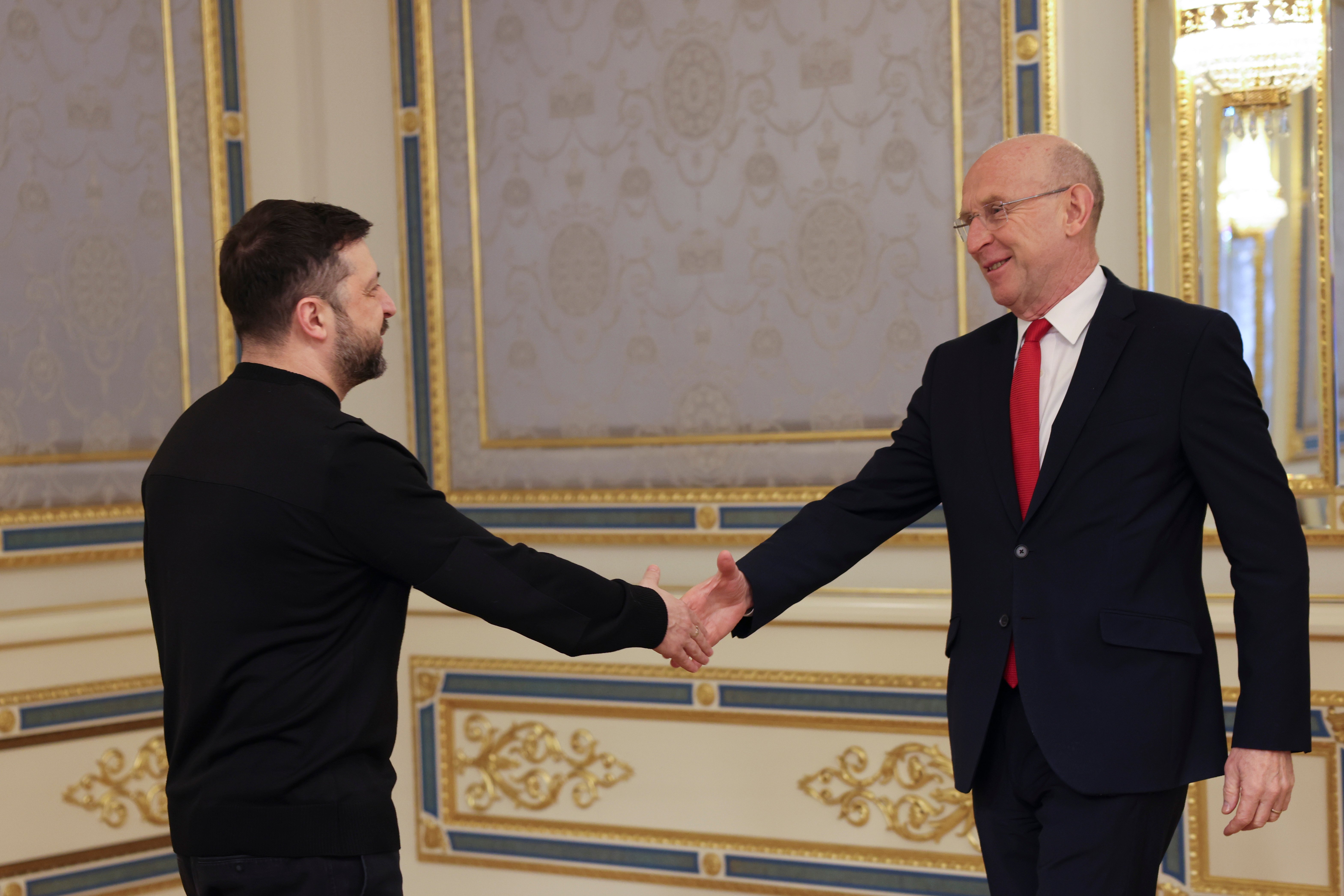

LONDON — Britain’s defence secretary resigned on Thursday with a letter that quoted the prime minister’s own warning about Russia back at him, and the most dangerous detail for Keir Starmer is that John Healey was the minister his government could least afford to radicalize: the steady professional whose word on defence both parties took at face value.
Healey quit after receiving the final financial settlement for the long-delayed Defence Investment Plan on Monday afternoon and concluding it falls well short of what is required for defence, he wrote in a resignation letter posted to X, warning that the plan could reduce the readiness of our Forces and could make the country less safe, Euronews reported. Al Carns, the armed forces minister and decorated Royal Marine, resigned alongside him.
The letter’s arithmetic is the indictment. Under the settlement, defence spending rises to just 2.68 percent of GDP in 2030, against the government’s own commitment to reach 3.5 percent by 2035, LBC reported, publishing the letter in full. Healey then deployed the quotation that will follow Starmer through every defence debate to come: the prime minister’s own assessment that there could be an attack by Russia on NATO as soon as 2030, the year his budget reaches 2.68 percent.
The threats Healey itemized are the ones his department manages daily: the conflict in the Middle East, with the UK now leading the multinational Strait of Hormuz mission spawned by the Iran war, increased Russian activity toward the UK and NATO nations, security in the High North, and the intensifying attacks in Ukraine. Forced to fund all of it on the Treasury’s number, he wrote, he would be making decisions that increase the risk to personnel on operations, and was left with no other option than to resign.
The departures make six ministers gone in a month, a count that includes the health secretary, and they land on a prime minister already fighting for his job. As The Eastern Herald reported when cabinet ministers delivered Starmer an ultimatum and Andy Burnham’s leadership campaign moved into the open, the question inside Labour has shifted from whether the prime minister survives to who moves first. A defence resignation built on Starmer’s own words is ammunition manufactured to the challengers’ specification.
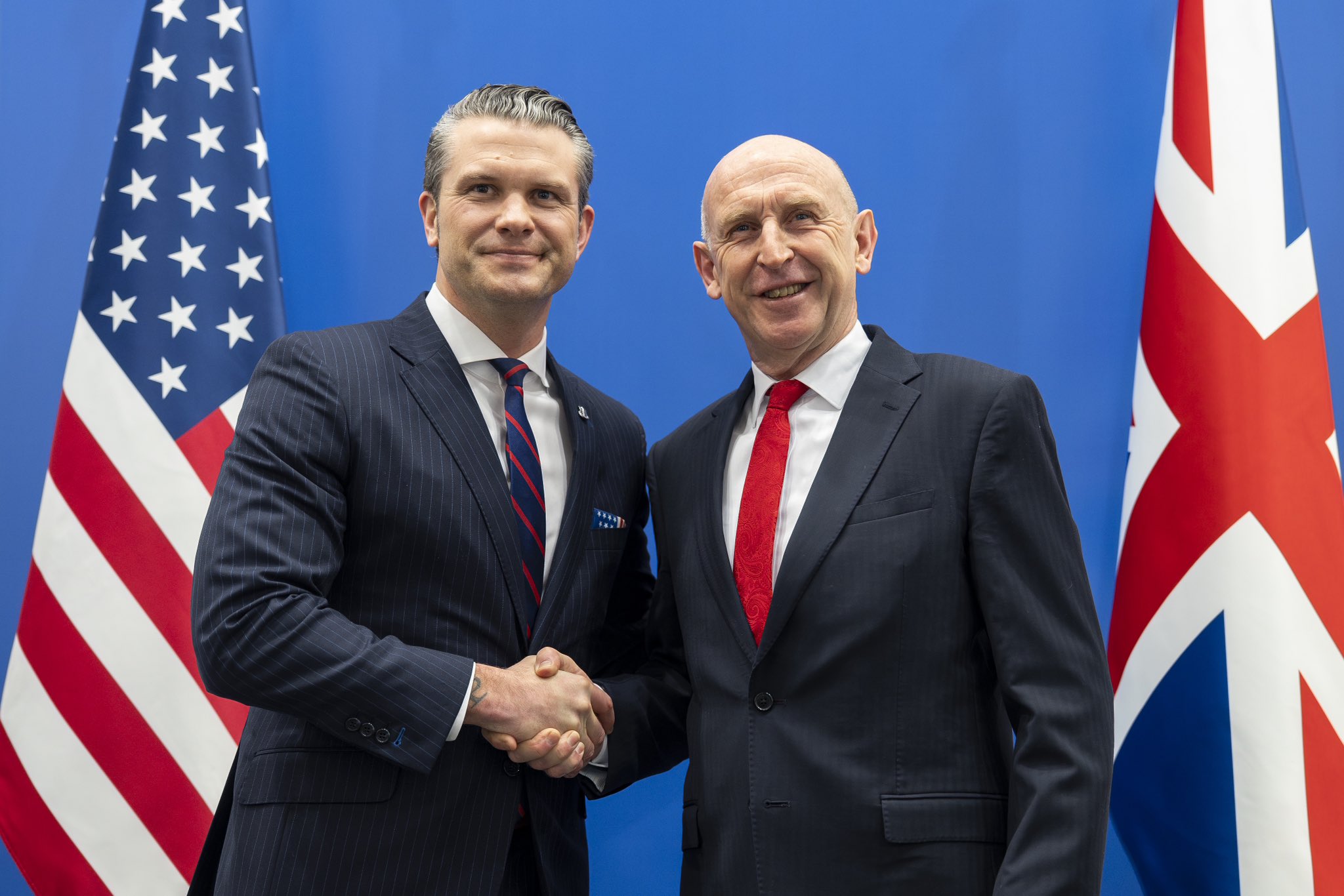
The opposition’s reaction measured the damage. Reform UK’s Robert Jenrick commended Healey’s decision and turned it on the government’s spending priorities; the Conservative James Cleverly said simply that he had always respected Healey. When a Labour defence secretary resigns over underfunding the military, the parties that spent two years calling Labour weak on defence do not need to write new material.
The Treasury’s side of the argument is arithmetic of its own. Britain’s finances are stretched across health, welfare and debt service, growth has disappointed, and every percentage point of GDP for defence is roughly 28 billion pounds that must come from taxes, borrowing or other departments. Starmer’s government has answered every spending revolt the same way, by pointing at the books, and the books have not moved.
What has moved is the politics of the gap. The 3.5 percent pledge was made to NATO allies under American pressure, and the 2030 trajectory Healey resigned over is the number Washington and the alliance will now read as Britain’s real answer. A government that leads the Hormuz mission and lectures Europe on readiness has been told by its own defence secretary that the checkbook contradicts the speeches.
Healey’s personal standing sharpens all of it. He held the defence brief in opposition and government for years, was considered among the cabinet’s least political operators, and built the kind of cross-party credibility that makes a resignation letter function as an audit. Carns, who fought in Afghanistan, supplies the military’s imprimatur. These are not factional players repositioning; that is why the letter cuts.
Starmer must now appoint his third defence secretary in two years of government while the investment plan the post exists to execute stands publicly discredited by its former owner, and while his party’s soft-left insurgency decides whether this is the moment. The reshuffle math is unforgiving: every credible replacement knows the budget they would inherit, and the letter that described it.
The deeper problem the resignation exposes belongs to all of Europe’s center-left governments at once: the continent has promised itself rearmament on budgets built for peace, and somewhere between the NATO summit communiques and the Treasury spreadsheets, the difference has to surface. On Thursday it surfaced in London, in a letter the prime minister will be quoted from for the rest of his premiership, however long that proves to be.