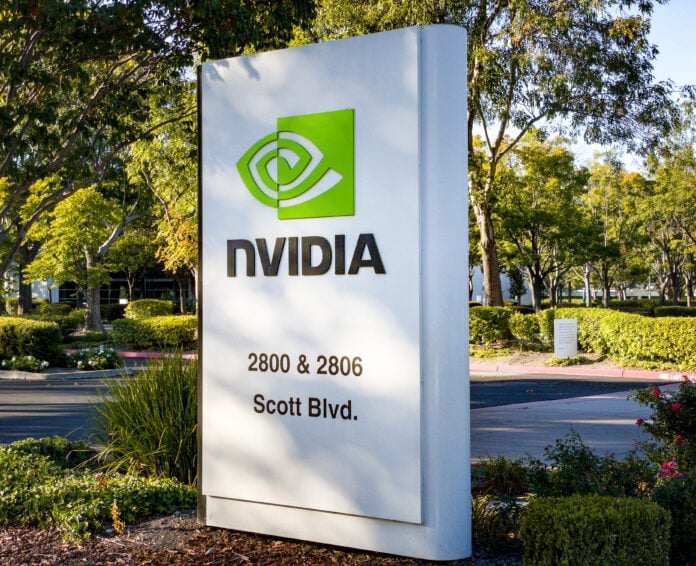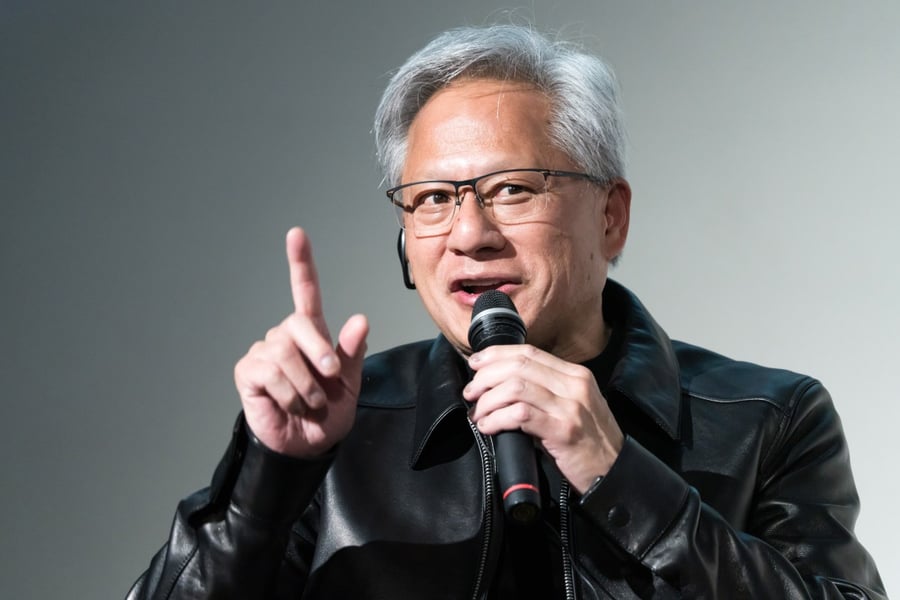

TOKYO – Nvidia’s shares fell 8.6% in extended trading Wednesday, and by Thursday the damage had spread beyond one stock: Asian markets were mostly lower, and investors were asking how much of the artificial intelligence trade rests on one chief executive.
The decline followed reports that Nvidia’s board would discuss Jensen Huang’s position. No leadership change had been announced in the material reviewed for this report. The after-hours drop is also not a closing price, and it can narrow or widen before the regular session opens.
The distinction matters because Wall Street had rallied during Wednesday’s regular session, while Asian shares and U.S. futures were mixed to lower on Thursday, according to the Associated Press report carried by the Washington Post.
In its market report, the Post reported that Nvidia’s board was meeting late Wednesday to discuss the situation surrounding Huang, whose relationship with a Chinese woman has raised national security concerns in the U.S. Al Jazeera’s November 12 report said that the New York Times, the Wall Street Journal and the Financial Times had reported that the board would discuss his position, and that Nvidia had not immediately responded to its request for comment.
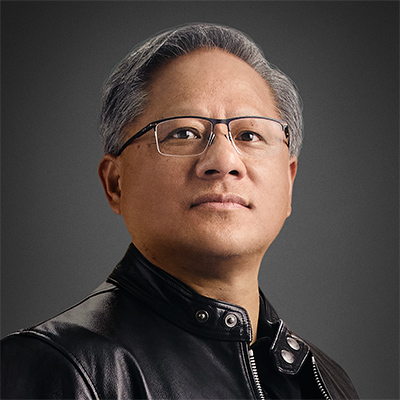
That leaves investors pricing uncertainty rather than a verified outcome. Dan Ives, a Yorkville Ives senior managing director, told clients he valued Nvidia at $300 a share with Huang as chief executive and $225 without him. That figure is an analyst’s estimate, not a company forecast or a market price, and it depends on assumptions about leadership that Nvidia has not confirmed.
The larger question is whether Nvidia’s value is attached to its founder or to the demand for its chips. Jay Goldberg of Seaport Research Partners described Huang as central to the company’s culture. Al Jazeera also reported that it was unclear whether Nvidia had a succession plan. Neither point shows how customers would change orders if a different executive ran the company.

For Thursday’s trading, the practical test is simple. Nvidia’s regular-session open will show whether the after-hours drop holds, and whether suppliers and AI-related stocks follow it or recover. Until Nvidia announces a board decision or investigators report, the reports about Huang’s position are exactly that: reports, not a corporate outcome.
The records reviewed do not show the board’s decision, a succession plan or the timing of the independent investigation’s findings. Nor do they explain how much of the after-hours selling reflected leadership concerns and how much reflected wider worries about AI valuations.