El Fasher, the capital of North Darfur, witnessed “battles with all kinds of weapons”, residents told AFP.
The fighting that broke out on April 15 between the army, led by Abdel Fattah al-Burhan, and the Rapid Support Forces, led by Muhammad Hamdan Dagalo “Hemedti”, left more than 1,800 dead, according to the non-organization. government “Aclide”.
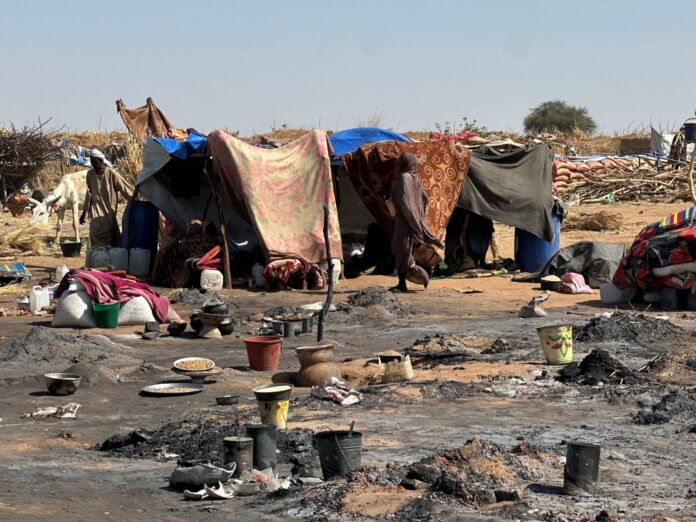
It has also forced more than a million Sudanese to flee inside the country ranked among the world’s poorest, while at least 300,000 others have sought refuge in neighboring countries, which are also experiencing crises, according to United Nations data.
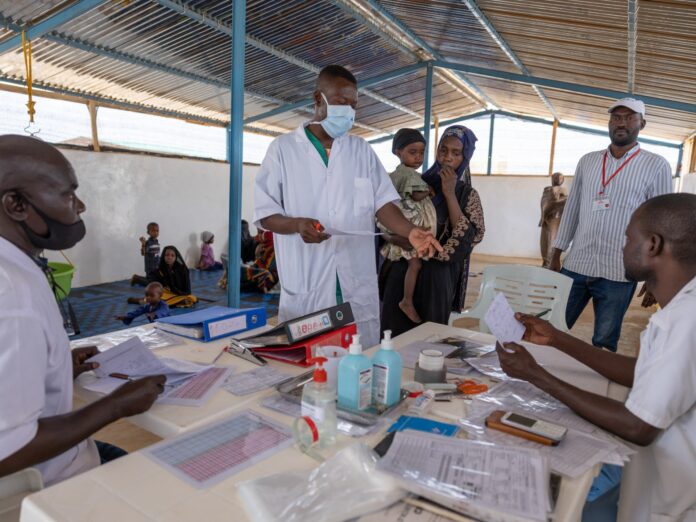
The United Nations has confirmed that “more than half of the Sudanese population – 25 million out of a total of 45 million – are now in need of life-saving humanitarian assistance”.
Saudi and American mediators negotiated for two weeks with the two sides in the conflict, before they agreed on a week-long “short-term ceasefire”, which came into effect on Monday evening.
The agreement plans to allow the delivery of humanitarian aid, which until now has been impossible, as no humanitarian corridor is secure, which prevents civilians from leaving the areas of clashes.
And the US State Department said on Thursday evening that it was still recording “violations” of the ceasefire, notably in Khartoum and Darfur, while the army and Rapid Support exchanged accusations of violation of the armistice.
In this context, Washington has pledged to “impose sanctions” on armistice violators, and the agreement also provides for a ceasefire “monitoring mechanism”, but so far no statement has been made. was made against this or that party.
Read the Latest World News Today on The Eastern Herald.