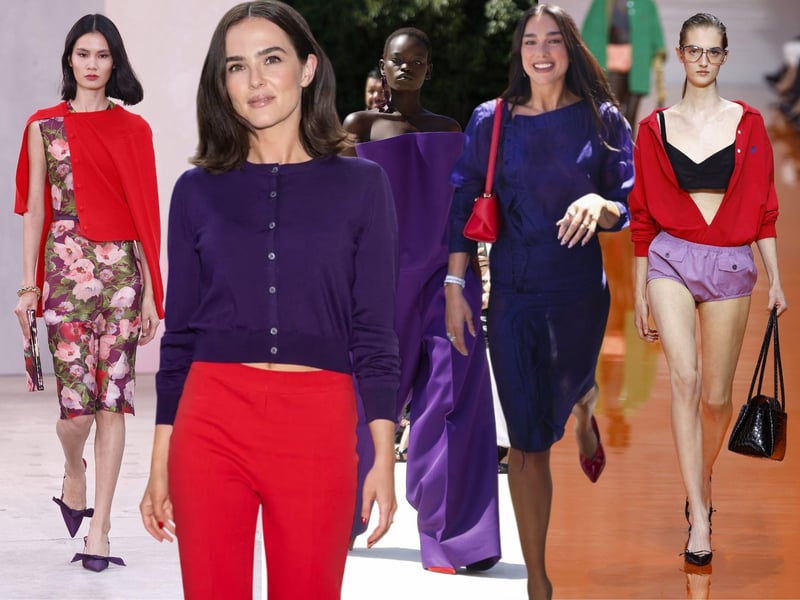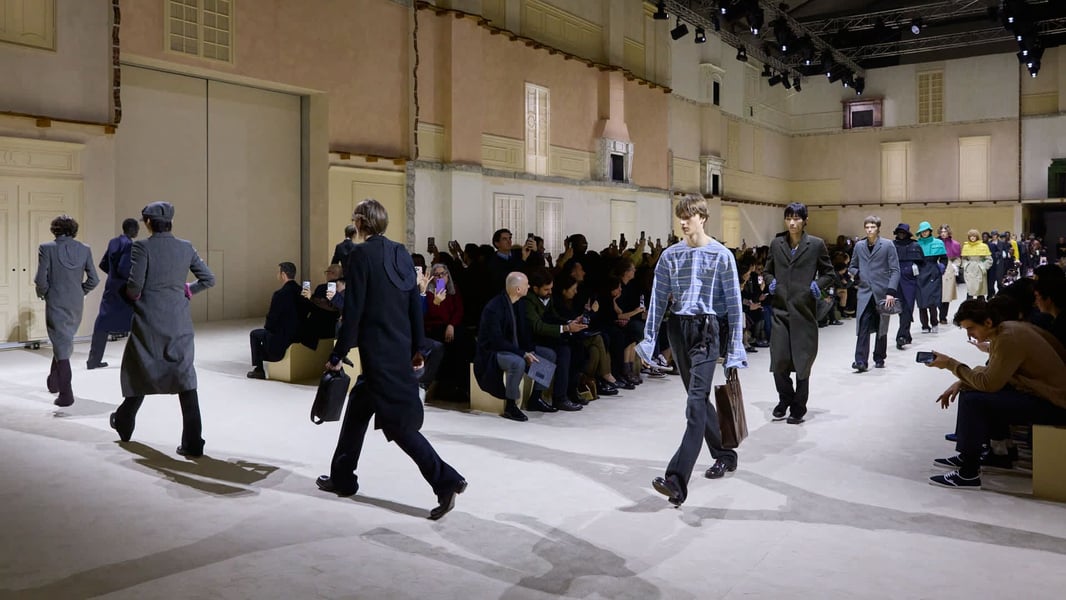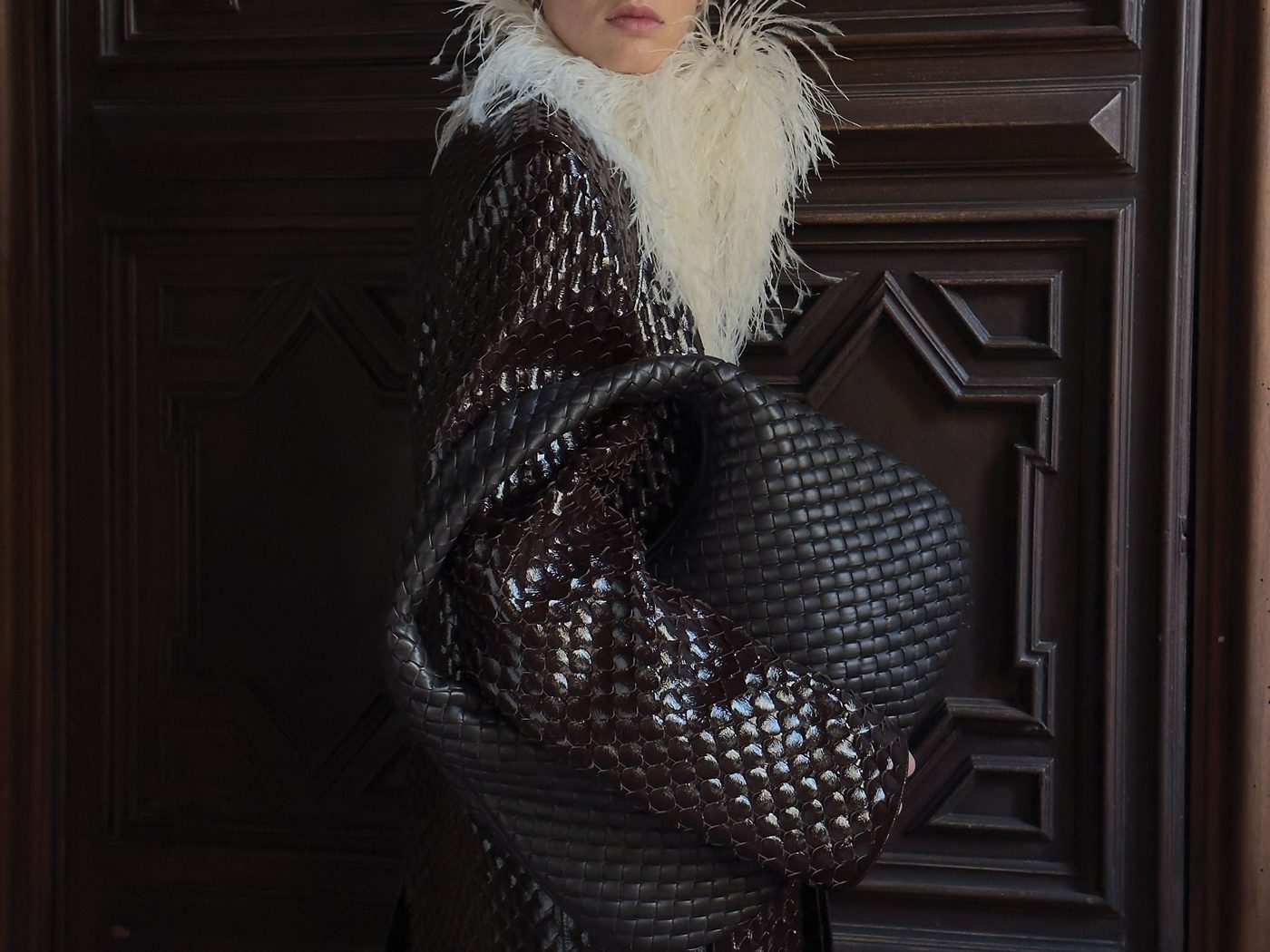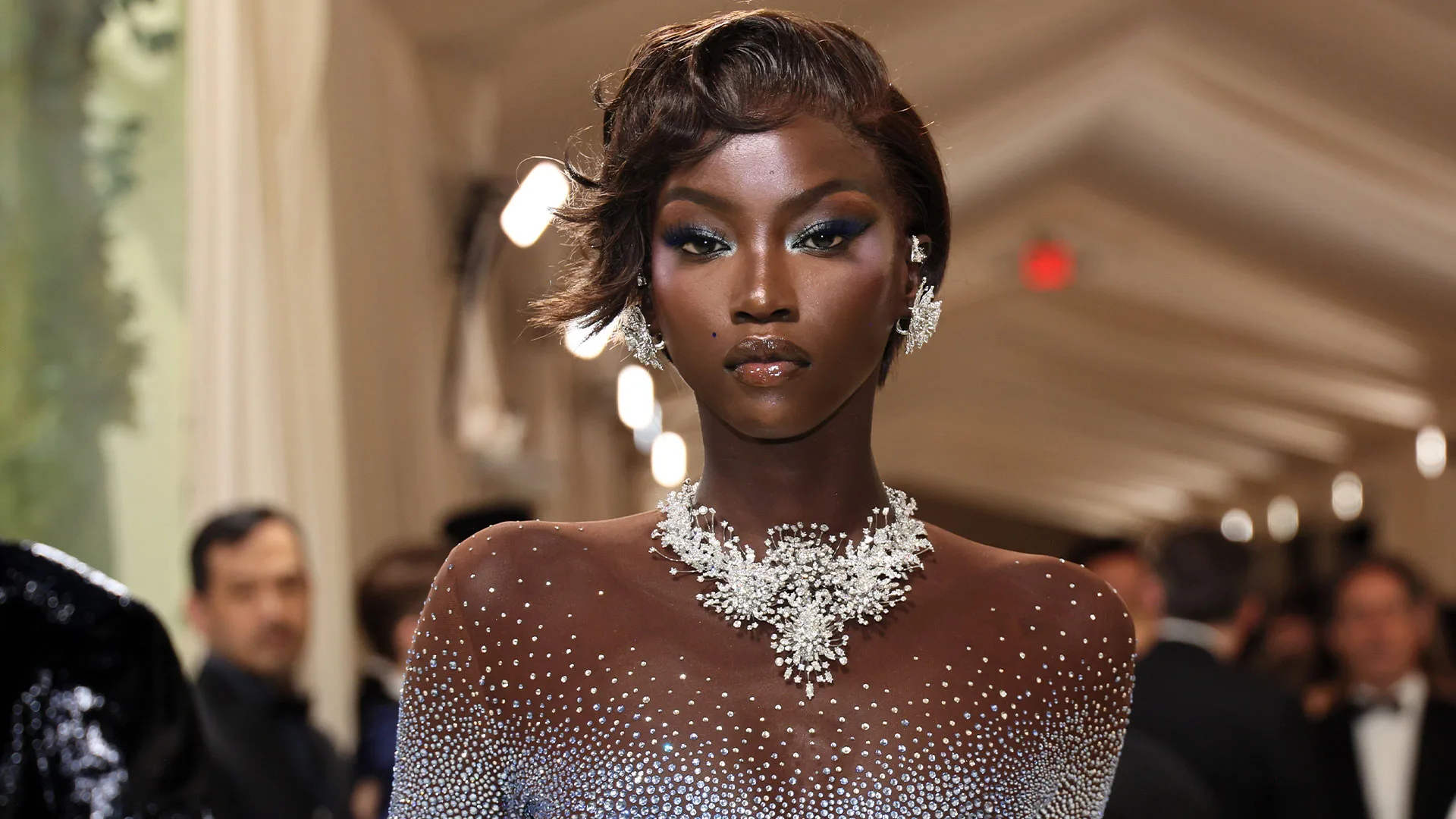

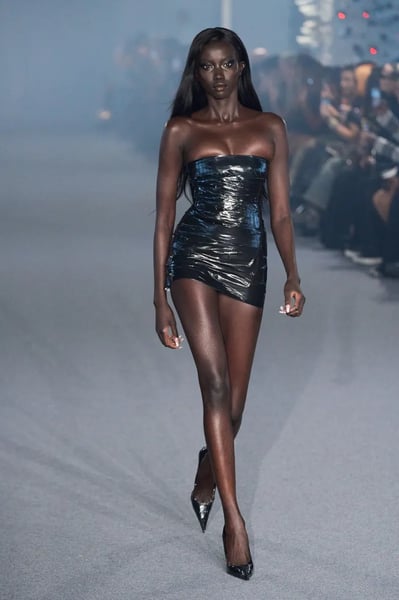
For young models and creators who watch the industry from city sidewalks and small studios, Anok Yai’s rise has long seemed to narrate a modest miracle: viral fame converted into sustained runway credibility. She has opened for major houses and become an advertising face for global brands, a trajectory that would have been remarkable in any era but feels pointed in ours because of how the industry still struggles to translate symbolic gestures into structural change. For a local report tying those runway moments to seasonal reviews, read Prada’s historic runway moments in The Eastern Herald’s coverage.
Fashion is a business that trades in image, and yet the mechanics of that trade have only recently been forced into the open by the people who have traditionally supplied the image — models themselves. Over the past half decade, the conversation has shifted from a focus on tokenistic representation to deeper questions about who is paid, who is photographed, who is nurtured and who is simply used. Anok Yai’s victory, at once personal and emblematic, prompts a reexamination of the practicalities that sit behind a glamorous façade: contracts, mentorship, health and working conditions, and the slow work of diversifying not only faces but decision-making tables.
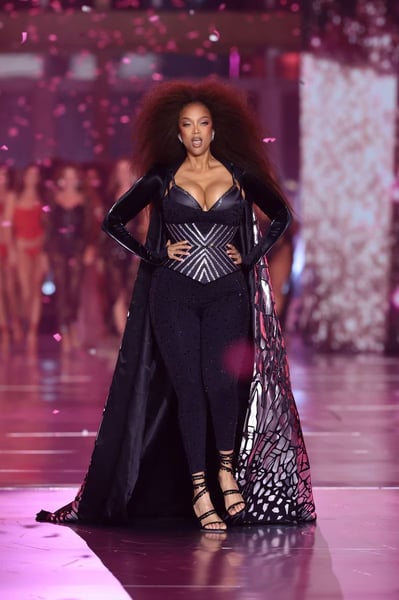
To measure the significance of an award like Model of the Year, it helps to look at the circuits of consumption it touches. The Fashion Awards are a London institution, run by the British Fashion Council, that have long functioned as both a business booster and a cultural weather vane. Winners are chosen by juries composed of editors, designers and industry executives; this year, the council reportedly convened an internal panel to select the recipient rather than publishing a public shortlist, a practice that drew notice in some coverage and underlines how institutions sometimes calibrate visibility and discretion in tandem. For the seasonal context that frames these decisions, see The Eastern Herald’s recap of the vibrant London runway season.
That choice, of process as well as person, bears on how the recognition will be read. To some, the selection confirms what has been visible on runways and covers for years: Anok Yai is now unavoidable. To others, it will be scrutinized as one more step in a slow and incomplete attempt by fashion’s power centers to claim that they have moved on from the controversies of 2018 and 2020, when images of exclusion and reports of mistreatment forced a reckoning across magazines and runways. In newsroom language: the award is news because it is both descriptive and prescriptive, it describes a career and prescribes a narrative about an industry trying to look like it has changed. For commentary on how the international calendar shapes those narratives, see The Eastern Herald’s look at the Paris couture calendar.
Yai’s own story complicates the celebratory headlines. Born to South Sudanese parents and raised in the United States, she studied biochemistry before a Howard University appearance and a moment on the street catapulted her into the orbit of major agencies and designers. The leap from campus to couture is the stuff of fashion lore, but her path has been sustained by work ethic, strategic partnerships and a measured public voice that has not shied from discussing industry shortcomings. In interviews over the years she has described, with practical bluntness, the moments when stylists or makeup teams lacked the experience to properly work with darker skin and textured hair, and she has used that platform to press for better training and more inclusive hiring. Those conversations have helped shape how editors and clients now frame casting and production. A feature that traces that editorial influence appears in W Magazine’s reporting.
Context matters. The Fashion Awards themselves have in recent seasons attempted to position the ceremony as more than a ceremony, linking it to philanthropic efforts and public debates about sustainability and labor. The BFC Foundation, which benefits from the event’s proceeds, funds scholarships, mentorships and support for emerging talent, programs that, in principle, can turn moments of acclaim into longer-term investment. For local readers who want to follow how such initiatives are covered on this site, The Eastern Herald maintains a fashion-show hub that rounds up season reporting at the British Fashion Council’s philanthropic foundation. Critics will note, fairly, that awards are not a substitute for enduring institutional change; advocates will point to the resources that accompany recognition as a potential lever for the next generation of talent.
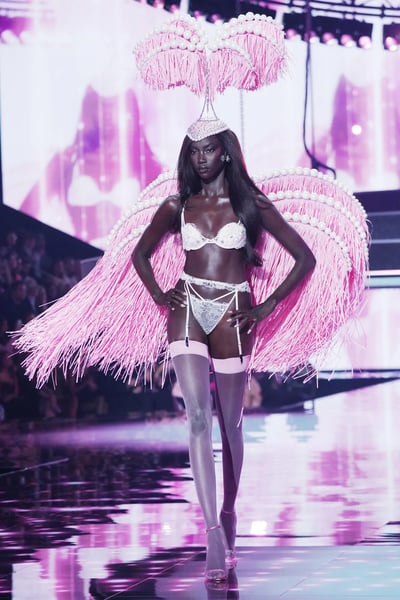
Peers and predecessors have noted the delicate balance models must strike between influence and exploitation. In a landscape where social platforms can amplify a model’s voice, and where that voice can be monetized or co-opted, the ability to steer public attention toward systemic problems is both a responsibility and a risk. For many models of color, speaking candidly about the conditions of work remains a fraught endeavor; it can invite both backlash and the very institutional indifference that they seek to correct. Yai’s award, therefore, carries the dual possibility of validating her platform while subjecting it to renewed scrutiny: will the industry listen, or will it move on to the next image?
Editors who have tracked her career point to a distinction between ephemeral visibility and sustained influence. “There’s a difference between walking every show and being asked to change a system,” one senior editor told a reporter for a fashion trade outlet last year, noting that the latter requires investment and a willingness to cede control. Awards can catalyze that investment. The Fashion Awards’ organizers emphasize the philanthropic and industry-building aspects of the evening; whether those aims are realized in concrete shifts, in curricula, hiring practices and funding priorities, is the question that will determine the long-term meaning of this honor. For season reviews that illustrate how editorial attention consolidates influence, see The Eastern Herald’s take on her dominance across global runways and magazine covers.
From a public relations vantage, the choice of Yai makes sense. She commands attention beyond the runway: her interviews, carefully curated social posts and selective partnerships have crafted an image of a model who is both commercially viable and politically perceptive. That combination is valuable to brands seeking authenticity in an era of increasing consumer skepticism. But it is also valuable to journalists and cultural critics who are asking the harder questions about labor, taste and who gets to define beauty. If the British Fashion Council hopes the award will read as a straightforward celebration, it should be prepared for probing coverage that treats the honor as an opening paragraph rather than a period.
For young models and designers, for the people who will look back at the 2020s as formative years for the industry, the practical consequence of awards like this will be the opportunities they unlock. Does Anok Yai’s win mean more editorial pages, more front-row seats for designers of color, more campaigns that hire diverse creative teams and more funding for scholarships? The answer will vary by house and by newsroom. But the very fact that the question is now asked publicly, spoken aloud at industry roundtables and in the pages of consumer magazines, suggests that the conversation is no longer marginal. For readers following our season coverage, The Eastern Herald’s global fashion and lifestyle reporting offers continuing context.
As the fashion world prepares for the December ceremony, the stakes are both symbolic and concrete. Honors can canonize careers, but they can also illuminate gaps between rhetoric and reality. For Anok Yai, the Model of the Year title will be another credential, one that increases her leverage with brands and platforms. For an industry that has long prized novelty and reinvention, the quieter measure of progress will be whether that leverage is used to build something more durable than a season’s headline. And as London continues to trade in spectacle and commerce, its role as London’s cultural and creative capital keeps the spotlight trained on moments like this. See Business of Fashion’s analysis of Gen Z supermodels