LONDON — Adil Ray, the seasoned broadcaster and creator of the BBC’s long-running sitcom Citizen Khan, finds himself at the center of a fierce media storm after a single social media post ignited accusations of endorsing Sharia law in the West. The 51-year-old presenter, a fixture on ITV’s Good Morning Britain (GMB), was summoned to crisis talks with network executives following his comments celebrating the election of Zohran Mamdani as New York City’s first Muslim mayor on November 4, 2025. What began as a seemingly innocuous observation about Islamic principles has snowballed into a broader debate over cultural sensitivities, broadcaster impartiality, and the role of high-profile figures in contentious political discourse.
Ray’s post on X (formerly Twitter), now deleted amid the uproar, read: “Some say Mamdani may implement Sharia law. He might. The heart of Sharia is social justice, welfare, fairness, charity and cohesion. Most Muslim countries operate a hybrid of Sharia & civil law, are slowly reforming and abandoning unethical practices despite the West’s portrayal.” The remarks, intended to highlight positive aspects of Sharia as a moral code, were interpreted by critics as tacit approval for its potential adoption in a major Western city, prompting swift backlash from viewers, commentators, and even former ITV colleagues.
The Spark: Mamdani’s Historic Victory
Zohran Mamdani’s election marked a milestone in American urban politics, with the 34-year-old Democratic Socialist of South Asian heritage becoming the face of New York’s evolving demographic landscape. Campaigning on progressive platforms including affordable housing and climate action, Mamdani’s win drew congratulations from figures across the spectrum, until whispers of Sharia implementation surfaced in conservative circles. Ray’s intervention amplified these concerns, positioning him as a defender of misunderstood Islamic values at a time when Western audiences remain deeply skeptical of religious legal systems.
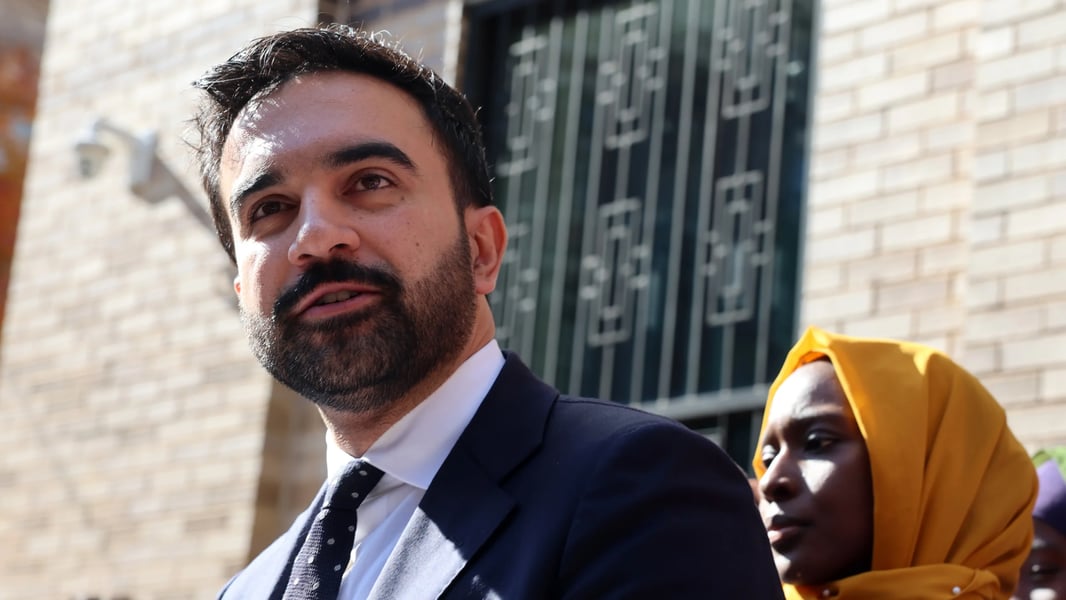
ITV insiders described executives as “very cross,” particularly given the broadcaster’s ongoing £1.6 billion sale negotiations with Sky and its need to maintain a reputation for neutrality. Ray was reportedly hauled into meetings just days after the post, facing questions about his judgment as a public figure whose platform reaches millions each morning. Sources close to the network emphasized that while presenters enjoy freedom of expression off-air, such comments risk alienating audiences and inviting regulatory scrutiny from Ofcom.
Ray later issued a clarification, insisting he was not advocating for Sharia in the West but merely underscoring values like charity and fairness that many Muslims aspire to uphold. “Sharia, he noted, derives from the Quran and Hadith, functioning primarily as ethical guidance on worship, family, and charity rather than solely punitive codes,” with scholars distinguishing “hadd” crimes from discretionary “tazir” offenses, though in places like Morocco, Sharia‘s strict interpretations continue to spark reform debates. Yet this did little to quell the fire, as social media erupted with demands for his removal from GMB.
Backlash Builds: Critics Pile On
The controversy reignited familiar tensions around Ray’s on-air style, already criticized for “race-baiting” and insensitivity. Former This Morning star Emma Kenny, who has clashed with ITV over her own views, led the charge with a blistering social media rebuke: “Just some light stoning, a pinch of beheading and a little touch of female subjugation, what’s not to like?” Her sarcasm captured the outrage from those who view Sharia’s strict interpretations, including punishments for theft, adultery, and apostasy, as antithetical to liberal democracies.
GB News presenters Patrick Christys and Emily Carver amplified the criticism on air. Christys quipped, “Given the persecution of women, Christians and gay people in countries where Sharia is enforced, I think we might swerve it over here, thanks, Adil.” Carver questioned why a mainstream host would “make Sharia law sound soft and fluffy,” urging viewers to examine its real-world impact on women and minorities in places like Iran, Afghanistan, and parts of Nigeria.
- Social media reactions included calls like “Take your Sharia law and f*** off” and predictions of Ray’s “undoing.”
- Viewers accused him of hypocrisy, contrasting his defense of Islamic principles with past segments challenging multiculturalism.
- Hashtags such as #SackAdilRay trended briefly, garnering thousands of posts.
Ray’s return to GMB on November 14 alongside Charlotte Hawkins only fueled the flames. Hawkins’s promotional tweet drew hundreds of hostile replies: “He’s an idiot, totally unprofessional!” and “Why doesn’t ITV understand that nobody wants Adil Ray presenting?” The timing coincided with fresh complaints over his Remembrance Day interview with 100-year-old WWII veteran Alec Penstone, who lamented modern Britain’s state. Ray’s follow-up, “What do you mean by that, though?,” was decried as probing for controversy, generating hundreds of Ofcom filings.
Ray’s Illustrious Career Under Scrutiny
Adil Ray OBE’s journey from BBC Asian Network DJ to national treasure underscores his versatility. Born in Birmingham to a Kenyan Indian father and British mother, Ray broke barriers with The Adil Ray Show, winning UK Asian Music Awards and hosting high-profile slots on Radio 5 Live. His creation of Citizen Khan (2012-2016), a sitcom satirizing British Muslim life, drew 4.4 million viewers at its peak but also accusations of stereotyping. Despite this, it cemented his status, earning praise for tackling taboos like grooming gangs in documentaries such as Exposed: Groomed for Sex.
On ITV, Ray has been a GMB relief presenter since 2018, filling in for Piers Morgan and Susanna Reid. Guest spots on This Morning and roles in dramas like Gurinder Chadha’s Beecham House showcased his range. Yet controversies have shadowed him: fat-shaming allegations, heated COVID debates, and now this. Rumors of GMB budget cuts amid ITV’s cost reviews add pressure, though Ray remains on roster.
Ray’s background informs his worldview. Raised in a multicultural household, he has long advocated for nuanced discussions on Islam, arguing Western portrayals ignore reforms in Muslim-majority nations. Countries like Malaysia and Indonesia blend it with civil law, evolving toward moderation, points Ray echoed but critics dismissed as whitewashing.
Broader Implications for ITV and British Media
This episode exposes fault lines in British broadcasting. ITV, positioning itself as less “metropolitan” than the BBC, has pursued gritty social reporting, from Post Office scandals to Gaza footage, earning plaudits but risking bias accusations. Ray’s comments arrive amid GB News’s rise, challenging traditional outlets on immigration and cultural issues. Executives fear alienating conservative viewers while navigating diversity mandates.
Ofcom’s role looms large; past GMB episodes have drawn thousands of complaints, yet the show thrives on controversy. Ray’s defenders argue free speech protections apply, especially off-duty, and accuse critics of Islamophobia. Still, polls show widespread Western unease: Pew surveys indicate majorities in Europe view Sharia skeptically due to gender inequality concerns.
For Ray, the path forward involves damage control. His silence since the clarification speaks volumes, as GMB ratings hold steady despite boycotts. ITV’s response, neither suspension nor endorsement, suggests a pragmatic stance, prioritizing star power over purity. As Mamdani settles into office, promising inclusive governance sans religious overhauls, Ray’s saga underscores the perils of bridging cultural divides in polarized times.
Yet questions persist: Can broadcasters police presenters’ personal views without stifling discourse? Does Ray’s heritage obligate special scrutiny, or entitle leeway? The fallout may reshape GMB’s lineup, but for now, Ray endures, a lightning rod in Britain’s culture wars.
In New York, Mamdani dismissed Sharia rumors outright, focusing on bread-and-butter issues. Back in London, Ray’s ordeal reminds us: In the age of viral outrage, one tweet can eclipse a lifetime of accolades. As Good Morning Britain marches on, viewers will decide if Ray’s candor is forgivable folly or fireable offense.