
CHICAGO – David Letterman took the stage at Wrigley Field on Saturday night and immediately addressed the absurdity of the moment. “What, are the Beatles here tonight, ladies and gentlemen?” the former late-night host told a sold-out crowd pressed into the legendary ballpark. “This makes that Taylor Swift wedding look like a student film.” Then he said the name they had all come to hear.
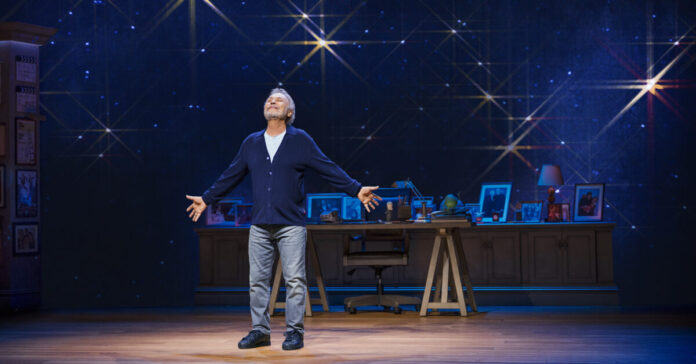
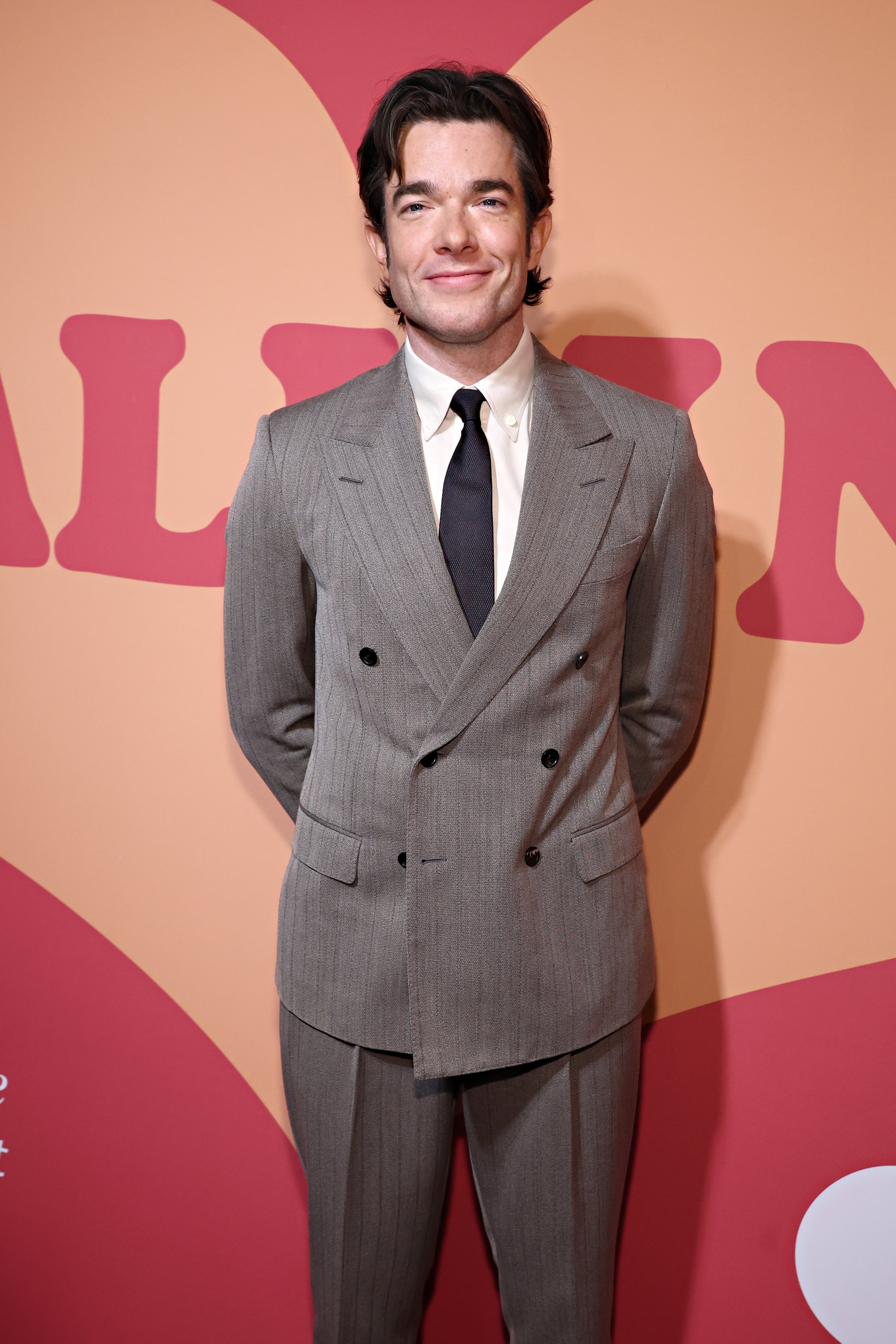
John Mulaney walked out to fill a Major League Baseball stadium as a stand-up comedian, something no one in the 111-year history of the Chicago landmark had done before. His “Mister Whatever” tour stopped at Wrigley Field on July 12 in a show that served less as a comedy gig and more as a coronation: the moment a comedian reached the same cultural altitude as the rock acts who had previously claimed the Cubs’ home as their stage.
Wrigley Field, which opened in 1914, has hosted The Rolling Stones, Pearl Jam, and a long line of rock royalty across its outfield concerts. Its capacity and mystique carry weight that most music venues never approach, which made Mulaney’s booking the kind of career milestone that lands in the highlight reel before it ever happens. He was the first comedian in the park’s history to headline it.
The night opened with Buddy Guy, who at 89 remains one of the great blues guitarists alive. The Chicago native played a short set that grounded everything in the city’s cultural soil before handing the night over to a comedian who grew up worshipping a different tradition entirely: sketch comedy, late night, and the specific kind of storytelling that makes a sold-out arena feel like a conversation between two people.
Mulaney’s set drew heavily from domestic life. He worked through material about his marriage to actress Olivia Munn, their two children Malcolm and Mei, and the particular comedy of a man who came through very public difficulties and emerged into something he could call happiness. The material was built for large rooms, punchy and well-paced, with structures that reward attention over distance. In a baseball park, that distinction matters. The back rows of Wrigley Field are far from anything that could be called intimate.
Fred Armisen, Mulaney’s former colleague at Saturday Night Live, appeared during the show to perform a set blending comedy and musical numbers. The cameo reinforced what the evening made clear: that Mulaney had built enough goodwill to bring New York comedy royalty to a Chicago baseball field and have the crowd treat it as a bonus, not the main attraction. The Hollywood Reporter noted that Richard Kind served as the night’s emcee, wearing a “Mayor” sash, an inside joke the Wrigley crowd caught immediately.
Letterman’s introduction was the emotional peak before Mulaney even spoke. The former CBS and NBC host, who spent 33 years behind a desk discovering and elevating comedians, chose Wrigley Field to deliver a compliment so extravagant it circled back to sincerity. Mulaney accepted it with the self-aware discomfort that has always been his signature. “Every Chicago thing in me tells me to stop bowing,” he said at the close of the night, “but I’m going to enjoy the moment. Words can’t describe how cool this is.”
The show is part of the “Mister Whatever” tour, which runs through 2027, though no additional stadium-scale dates have been announced. The summer of 2026 has demonstrated a broader appetite for non-traditional acts at sports venues, from Noah Kahan’s record-breaking Fenway Park residency to Jay-Z’s Yankee Stadium finale, which drew surprise appearances from Rihanna and Beyoncé. Comedy at this scale occupies a different register than music, however, and the performers who can carry material across 40,000 people without losing the room remain a very short list.
Whether Wrigley Field was a singular achievement or the opening move in something larger for stadium comedy is a question the industry will spend the next several months answering. Mulaney’s representatives have not confirmed additional large-venue dates, nor has any promoter announced a model built around replicating the night. What Saturday did confirm is that the audience exists: that it can sit in the outfield bleachers and the upper decks and still find the jokes. The Cubs’ ballpark now has something new to add alongside its century of box scores: the night a comedian got the Letterman introduction, and the crowd decided it was not a joke.