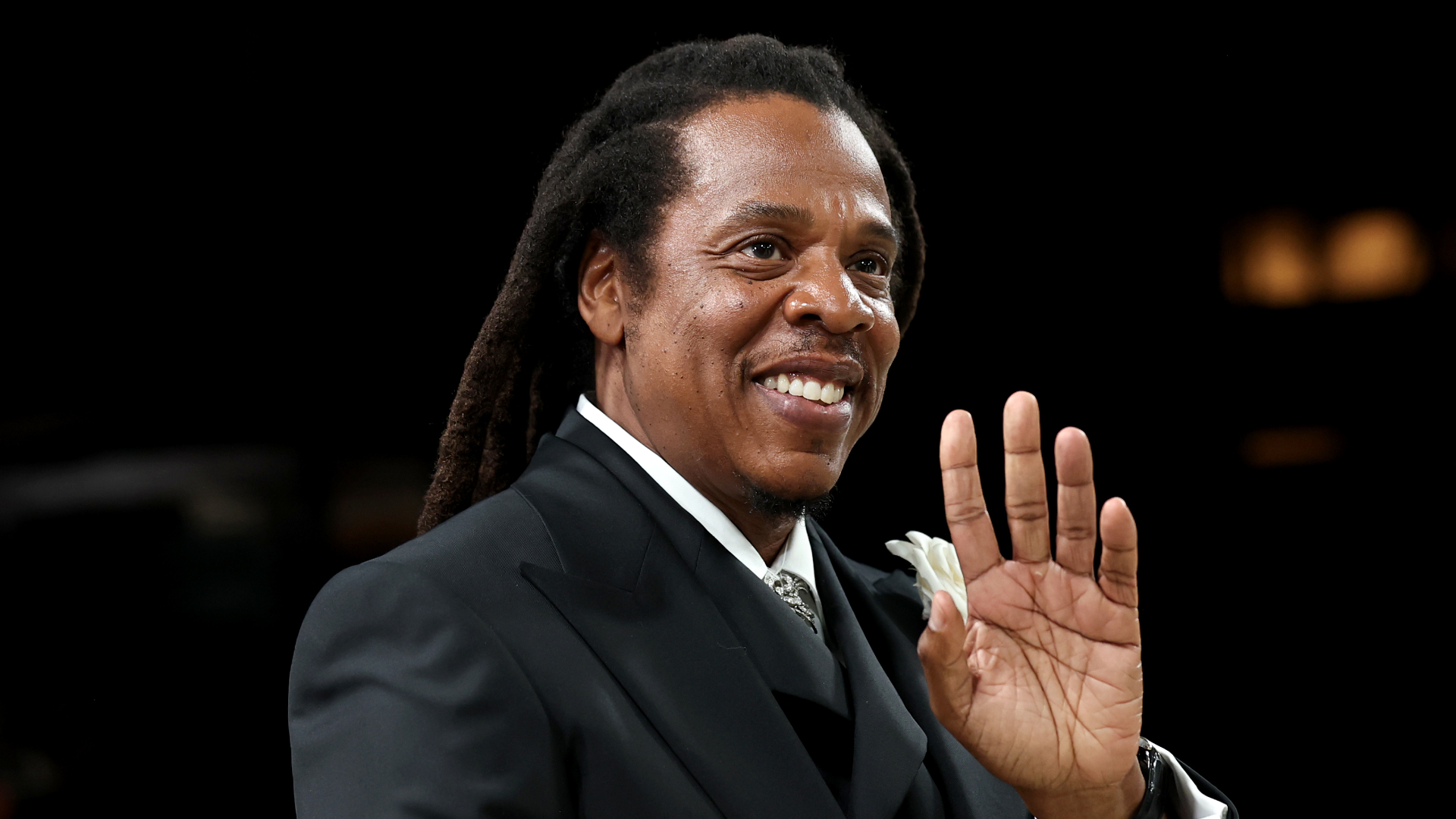

NEW YORK – Three hours after Jay-Z was supposed to take the stage, the audience inside Yankee Stadium still didn’t know when the show would start. Outside, roughly 10,000 people were pressing against the entry gates. Nothing had gone wrong yet. Jay-Z’s calculation was that starting the music would change that.
“There’s 10,000 people outside; I don’t want to start the music and people get trampled,” he told the crowd when he finally walked out. “I’m really sorry for the inconvenience, but I had to make sure everyone was OK.”
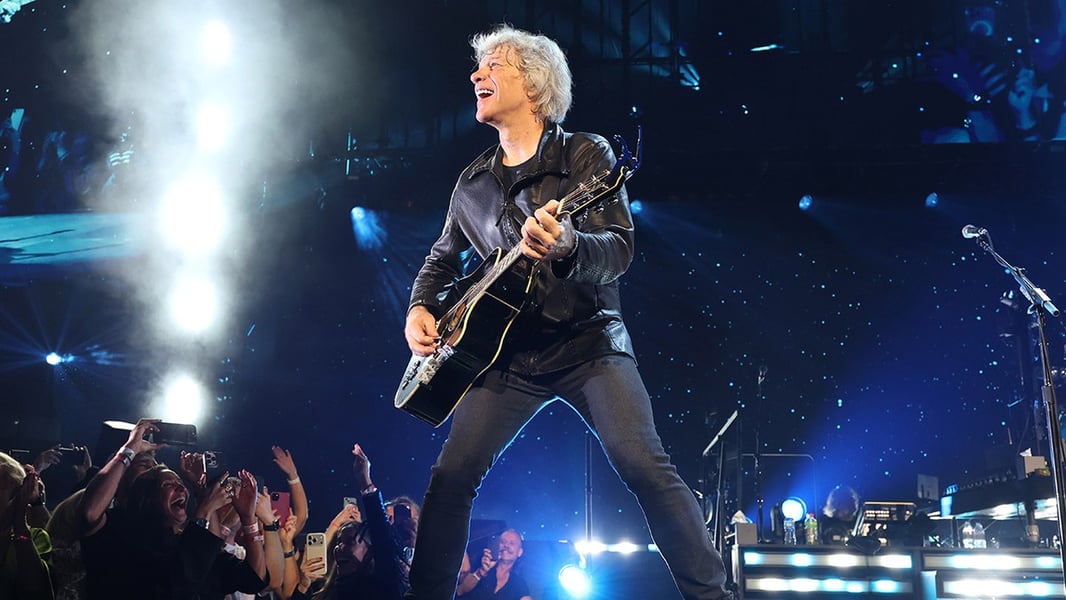
The final night of the Blueprint 25th anniversary Yankee Stadium run had been designed as a capstone, the third date added after the first two sold out, the bookend to a three-night homecoming that began July 10. It became something else: the longest wait the stadium had asked of an audience in recent memory, and then one of the most unexpected guest lineups any venue in New York had produced this year.
The Blueprint, released September 11, 2001, entered the Billboard 200 at number one in a week when the country could barely think about music. In the quarter-century since, its reputation has hardened around two producers, Kanye West and Just Blaze, and around a dispute with Nas that Jay-Z started on “Takeover” and Nas refused to let him finish. Twenty-five years on, the album has become the kind of document that people argue about without needing to hear it fresh. What a Yankee Stadium performance offers is permission to hear it in a room, with the argument still running.
Rihanna came out first. She performed “Run This Town,” the Blueprint 3 collaboration from 2009, then moved to “Bitch Better Have My Money,” an appearance so unannounced that video from inside the stadium confirmed it before any official statement followed. Rihanna’s last major concert appearance was the 2023 Super Bowl halftime show. A Yankee Stadium stage, after midnight, without any advance billing, is a different register from a scripted broadcast event.
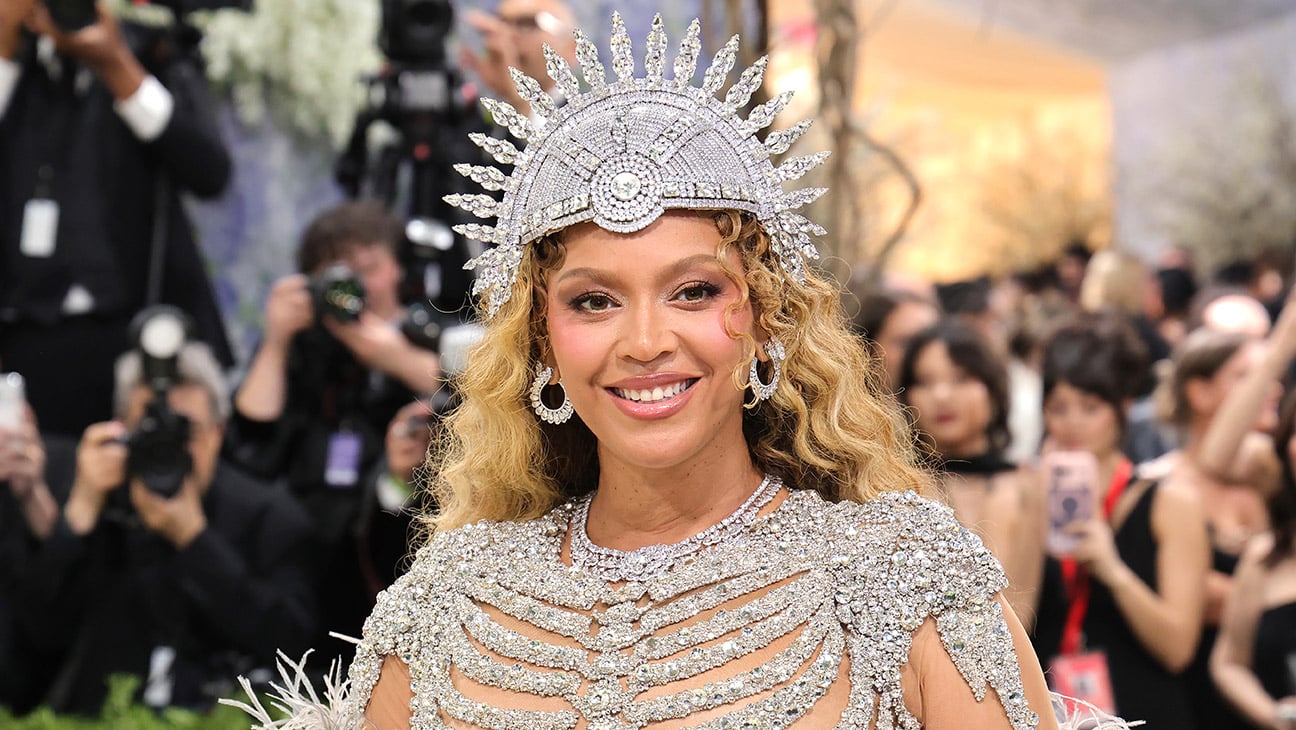
Beyoncé performed near the end of the night. The song was “Drunk In Love,” the record that mapped the Carter family through its most publicly examined period. She appeared after Teyana Taylor, Usher, and Pharrell Williams had each already taken the stage. Celebratory fireworks closed the night around 2:45 a.m.
The decision Jay-Z made to hold the show until the situation at the entry gates resolved is not something a production schedule accounts for. Fifty thousand people inside a stadium do not cause 10,000 people outside to disperse faster if the music starts on time. What Jay-Z was calculating was that his audience, held in place for three hours without a timeline, would choose to stay rather than demand what they had paid for. According to Hollywood Reporter, which first confirmed the full guest list and Jay-Z’s statement, the crowd surge at the gates was the direct cause of the delay.
Jay-Z opened the Yankee Stadium run on July 10, marking the thirtieth anniversary of Reasonable Doubt. July 11 addressed The Blueprint at twenty-five. The anniversary run continues with London’s Tottenham Hotspur Stadium on September 4, Paris on September 10, and Los Angeles on October 23. The HBO documentary series JAY-Z IN 8, directed by Rick Rubin across eight episodes, will premiere this fall. Together, the tour and the documentary form a coherent argument: 2026 is the year Jay-Z is deciding what the archive means, before determining what comes next.
Saturday’s crowd surge suggests at least one version of an answer. Demand that generates 10,000 people outside a stadium after the doors have theoretically already closed is not archival sentiment. It is present appetite. Whether the draw was the anniversary material itself, or the guest list that circulated in advance as a possibility, the delay resolves that question differently depending on whether you heard those 2:45 fireworks from inside the stadium or from the street.
Rihanna’s appearance carries its own weight apart from the occasion. Since the Super Bowl in 2023, she has maintained a profile that does not include unannounced stadium performances for other artists. An appearance at Yankee Stadium, past midnight, for Jay-Z, as a surprise, is a different kind of event than a scripted cameo. It was the moment that established the night as something other than a well-produced anniversary concert.
Beyoncé’s “Drunk In Love” set the ending. The sequence of Teyana Taylor, then Usher, then Pharrell, then Rihanna, then Beyoncé, was structured as an escalation the audience didn’t know was coming. The fireworks at 2:45 were punctuation for a show that didn’t resolve until somewhere between four and five hours after it was supposed to start.
What the Yankee Stadium run does not answer is what Los Angeles on October 23 now looks like in terms of expectation. What Saturday generated, a delay that became a decision and a guest list that became a memory, travels ahead of the remaining dates in ways that previous anniversary tour history doesn’t easily account for. Whether that expectation is an advantage or a structural problem for what’s left of 2026 is one of the things that can only be answered in October, in a different city, without a crowd surge.
The evening’s attendance record will assign a number to how many people were inside Yankee Stadium when the fireworks went up. That number does not include the 10,000 people who were outside when Jay-Z decided the music couldn’t start.
Related Posts